
Arsenal: weapons of the martial arts
Swords, staffs, blades, flexible weapons, bows and training tools from Japan, China, Okinawa, Southeast Asia, India, Africa, Europe, the Middle East and Oceania — what each one is, where it comes from and which arts still use it.
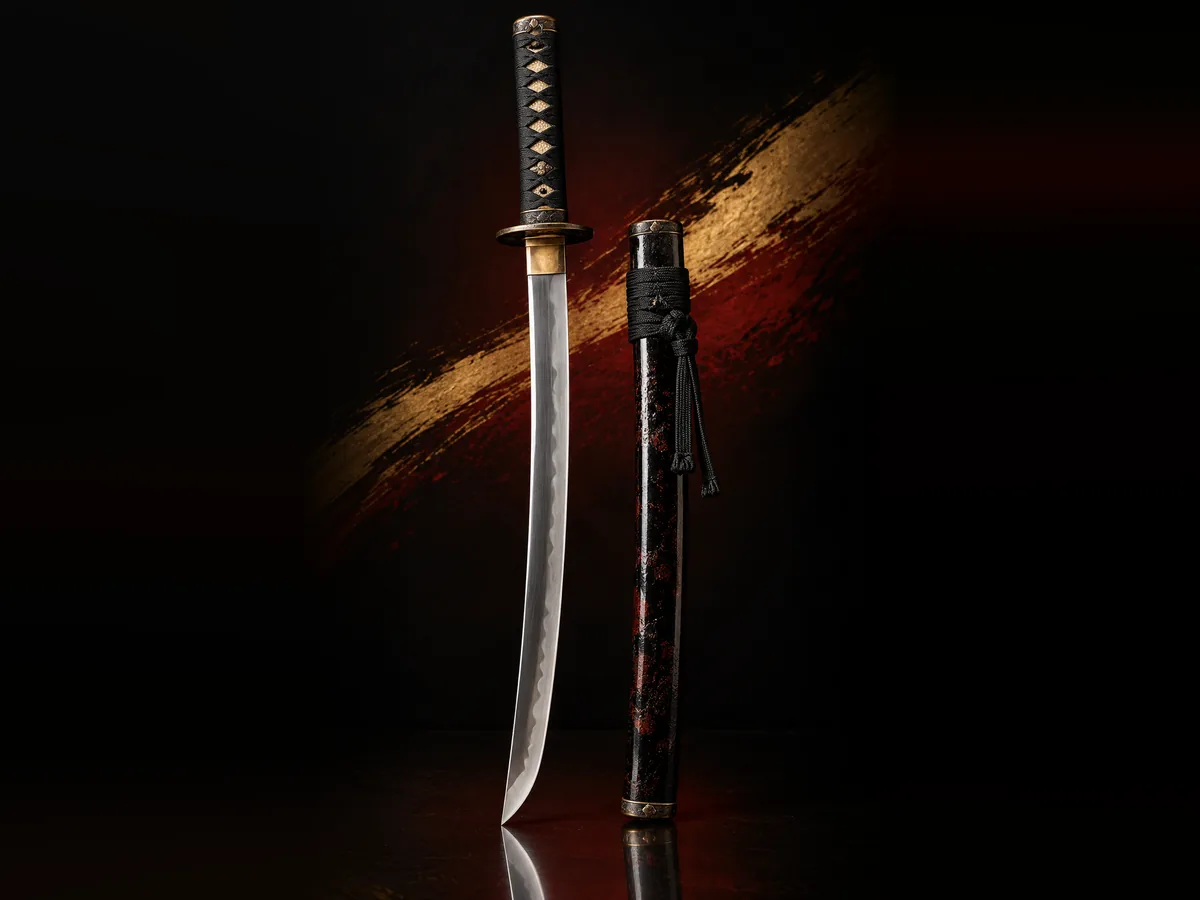
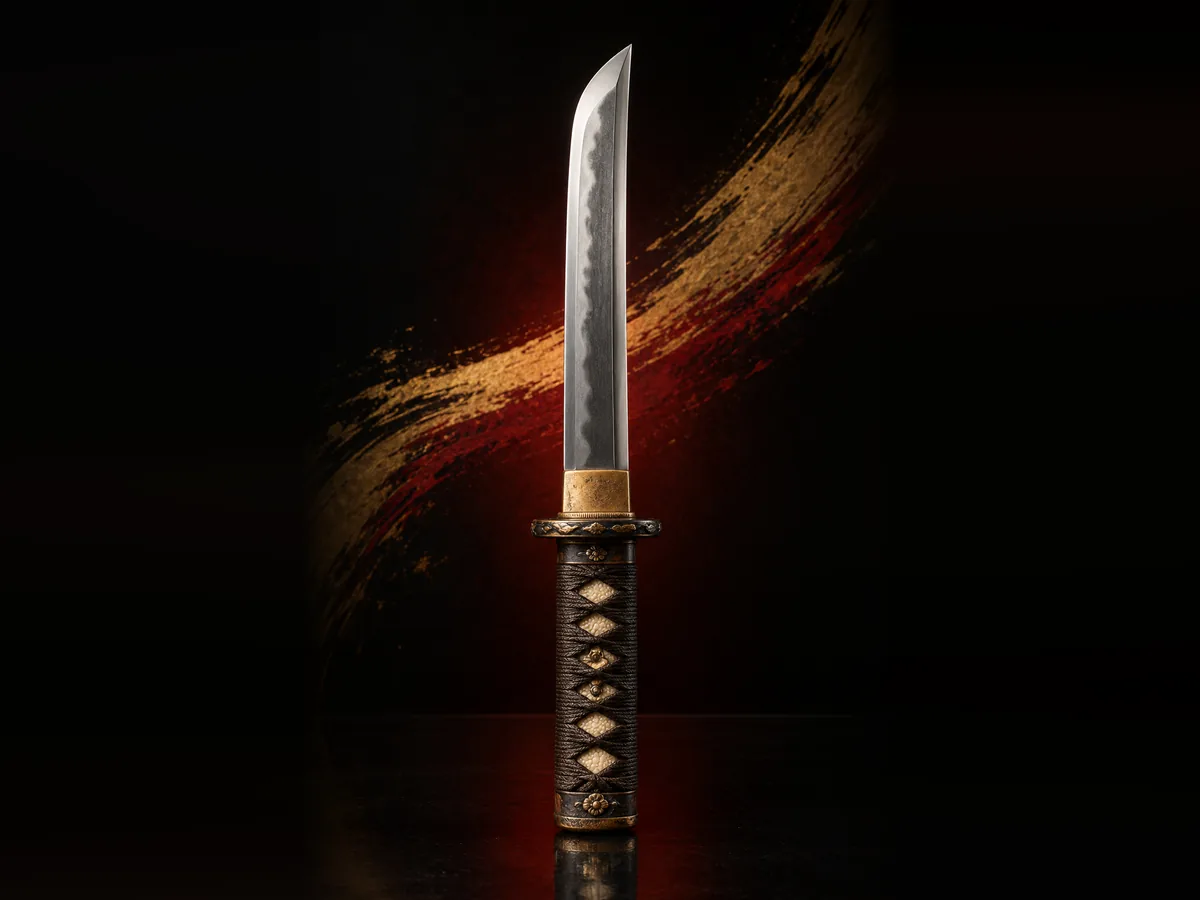
Tanto
短刀Knives and bladesJapan
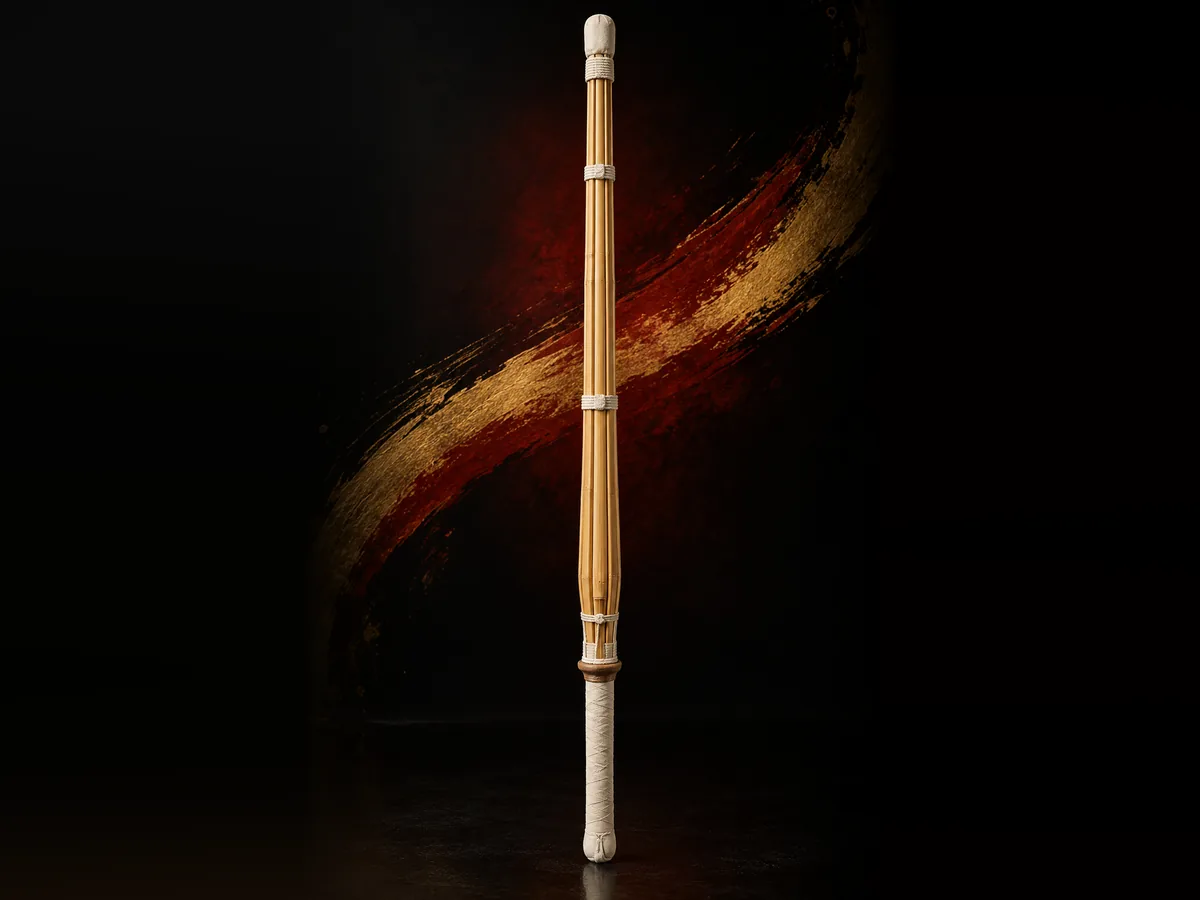
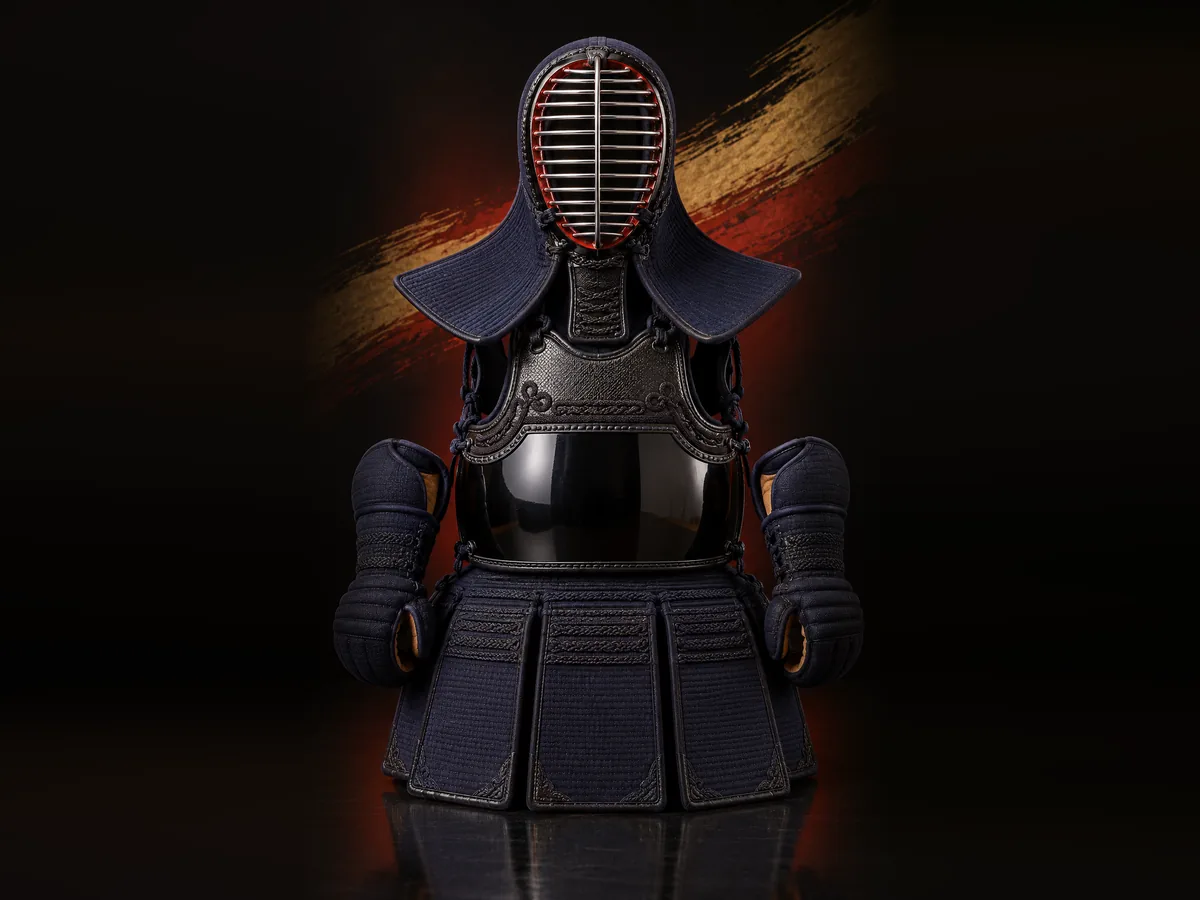
A Japanese dagger with a blade under 30 cm. Wooden tanto are used to practise knife defence in aikido, jujutsu and judo.
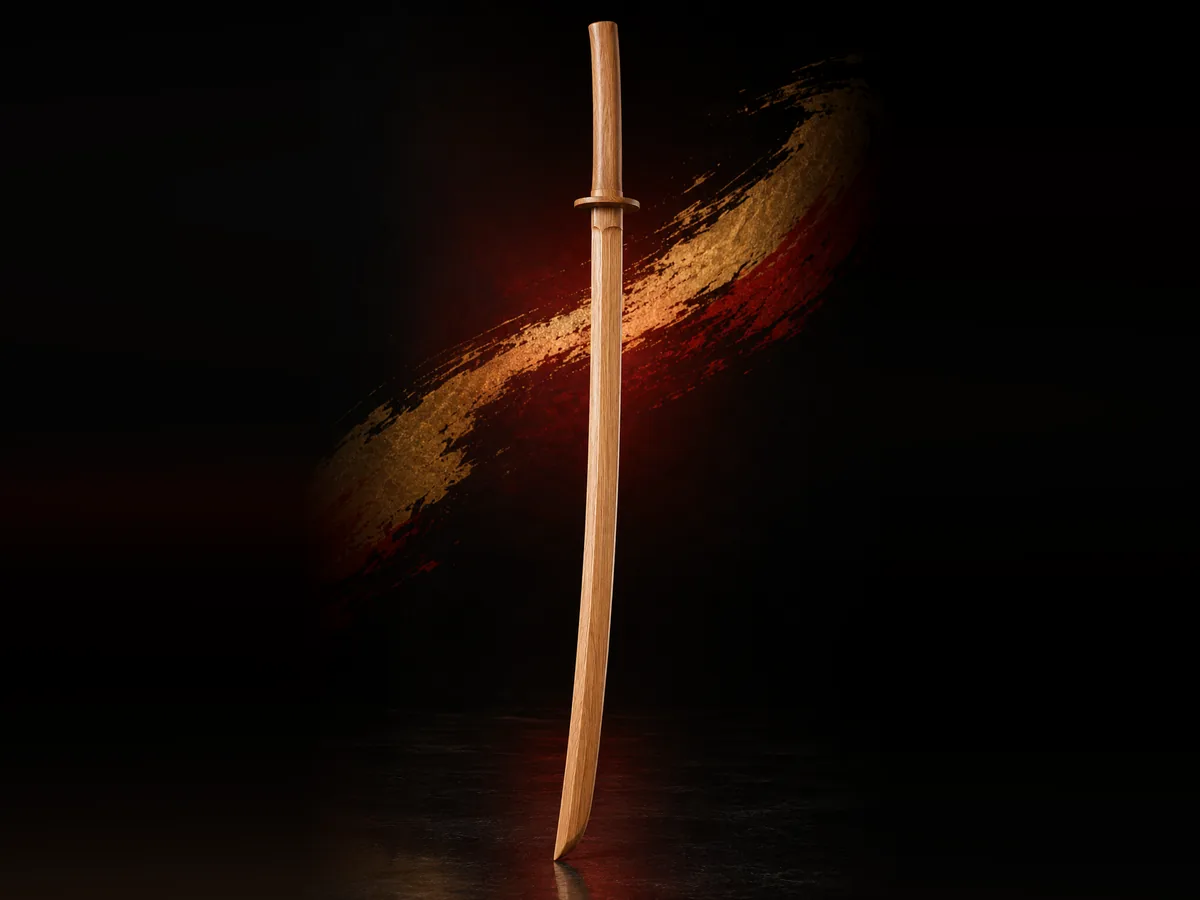
Naginata
薙刀Spears and polearmsJapan
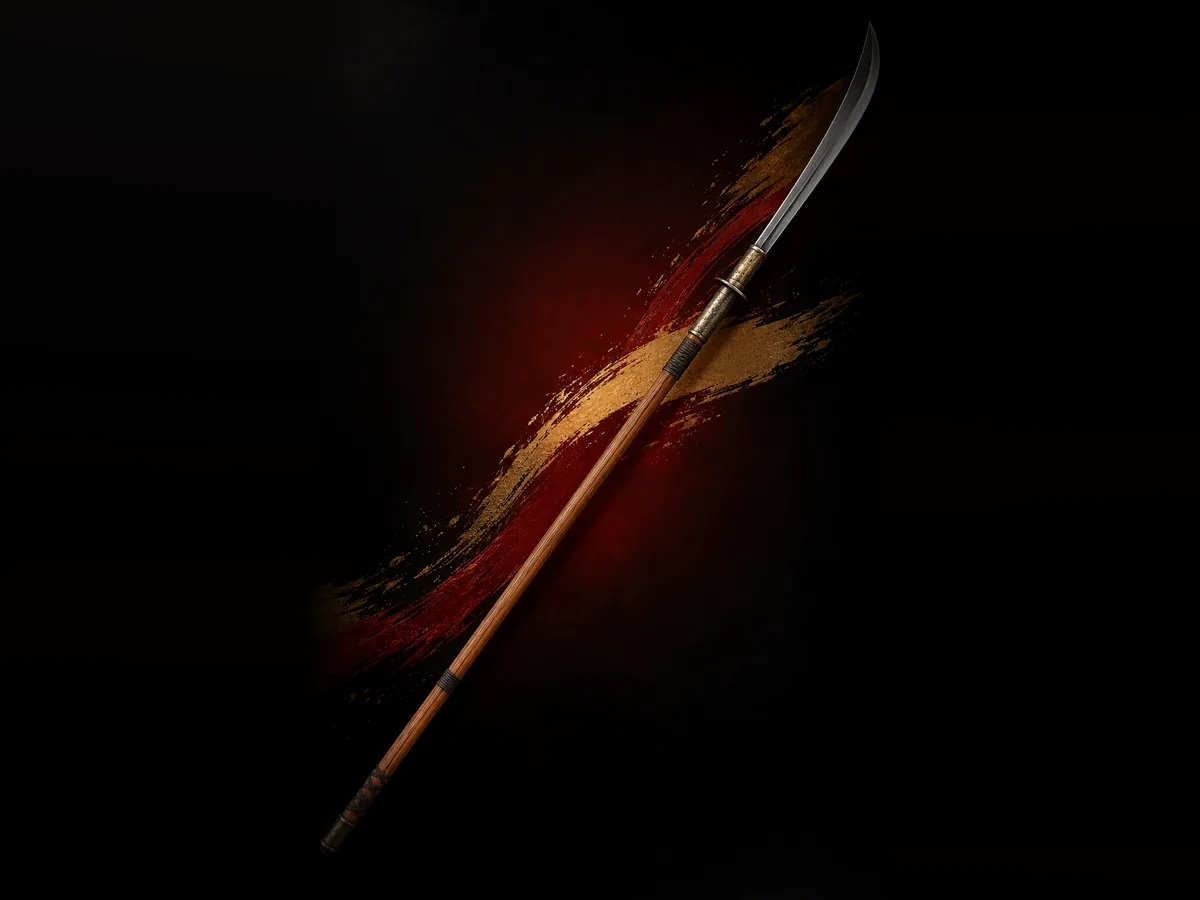
A curved blade on a long shaft, used by warrior monks and samurai. In the Edo period it became the weapon taught to women of samurai families.
Bo
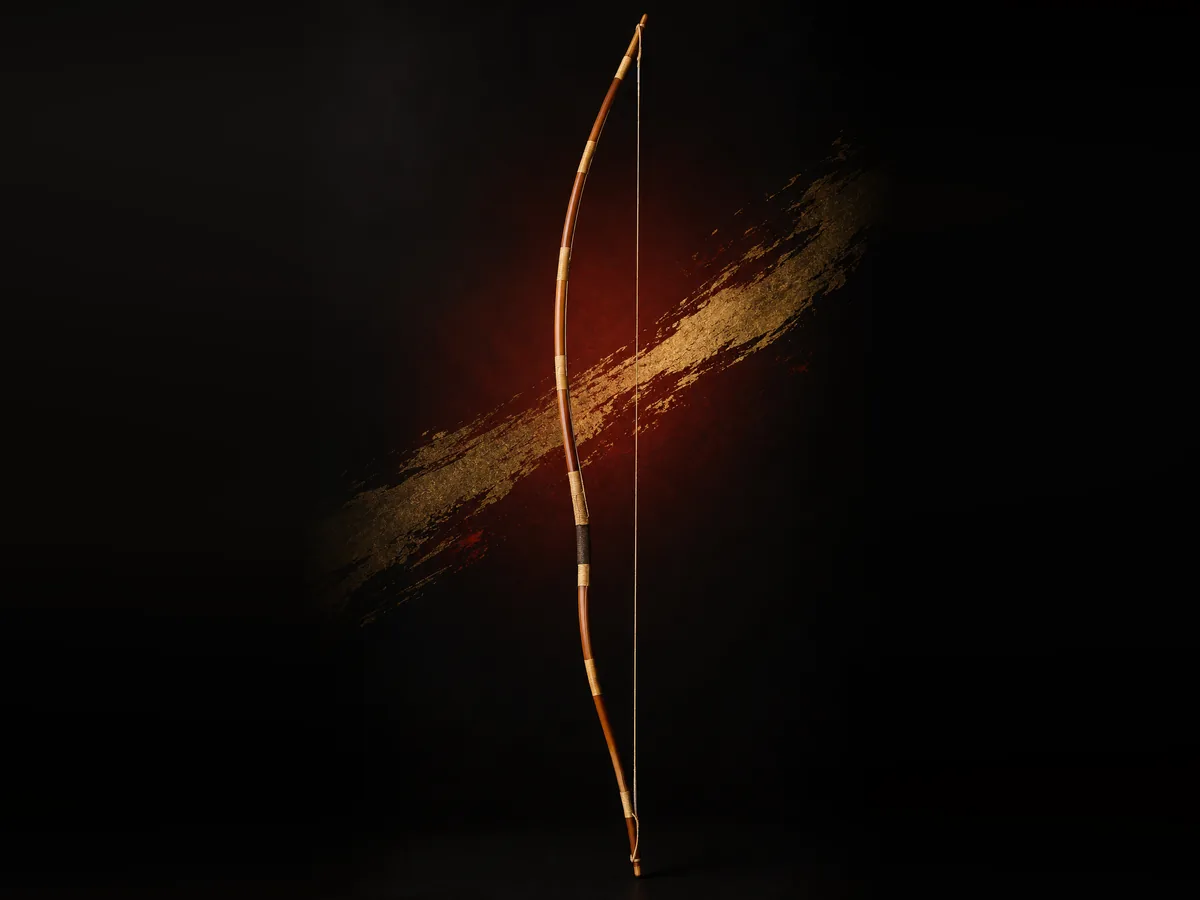
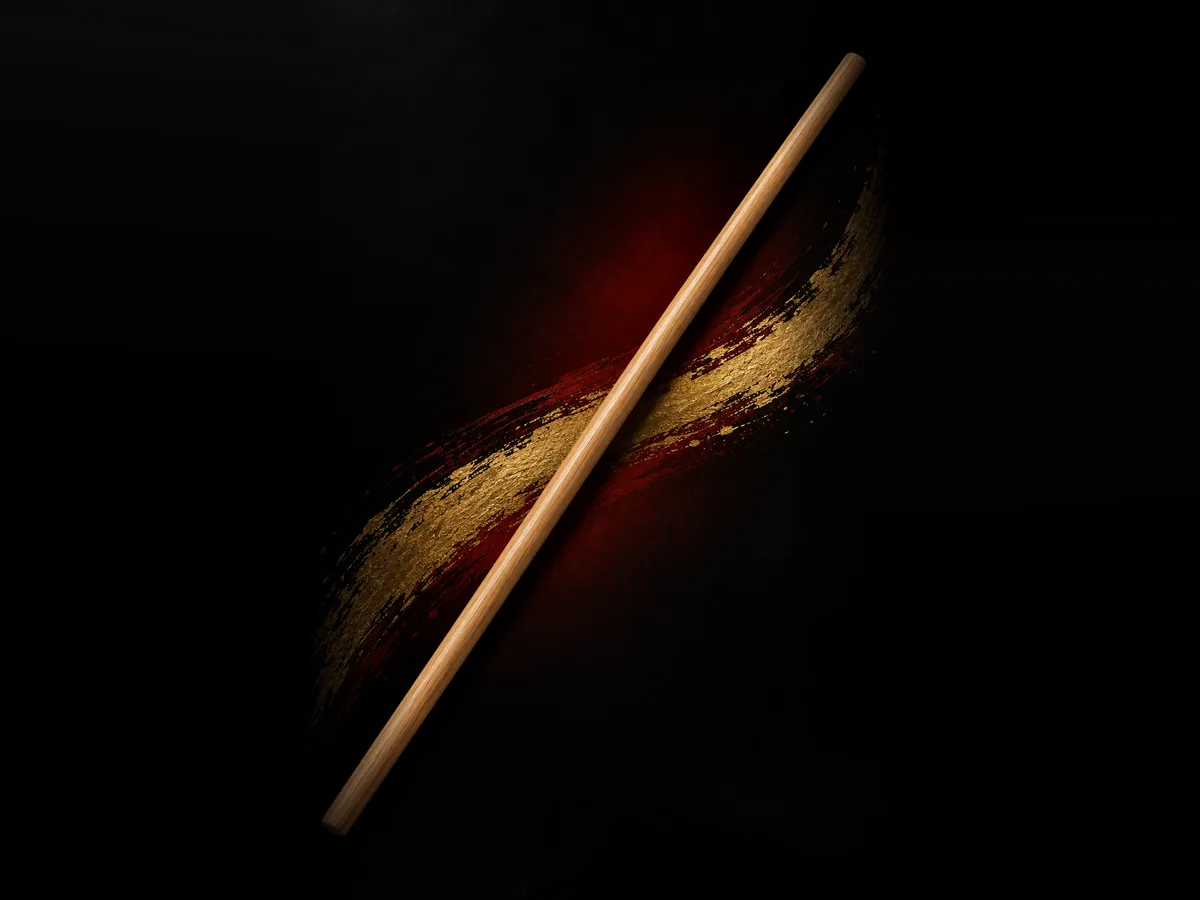
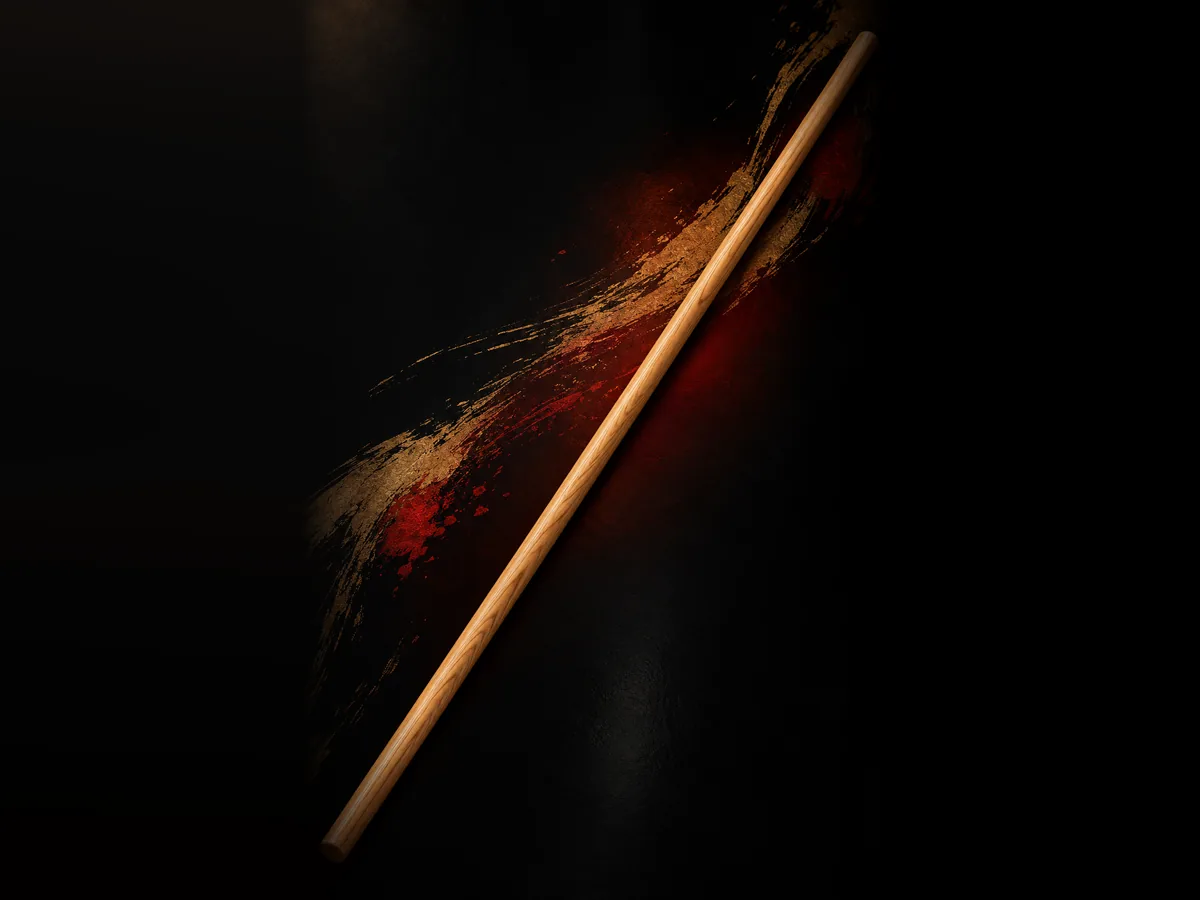
棒Staffs and sticksOkinawa
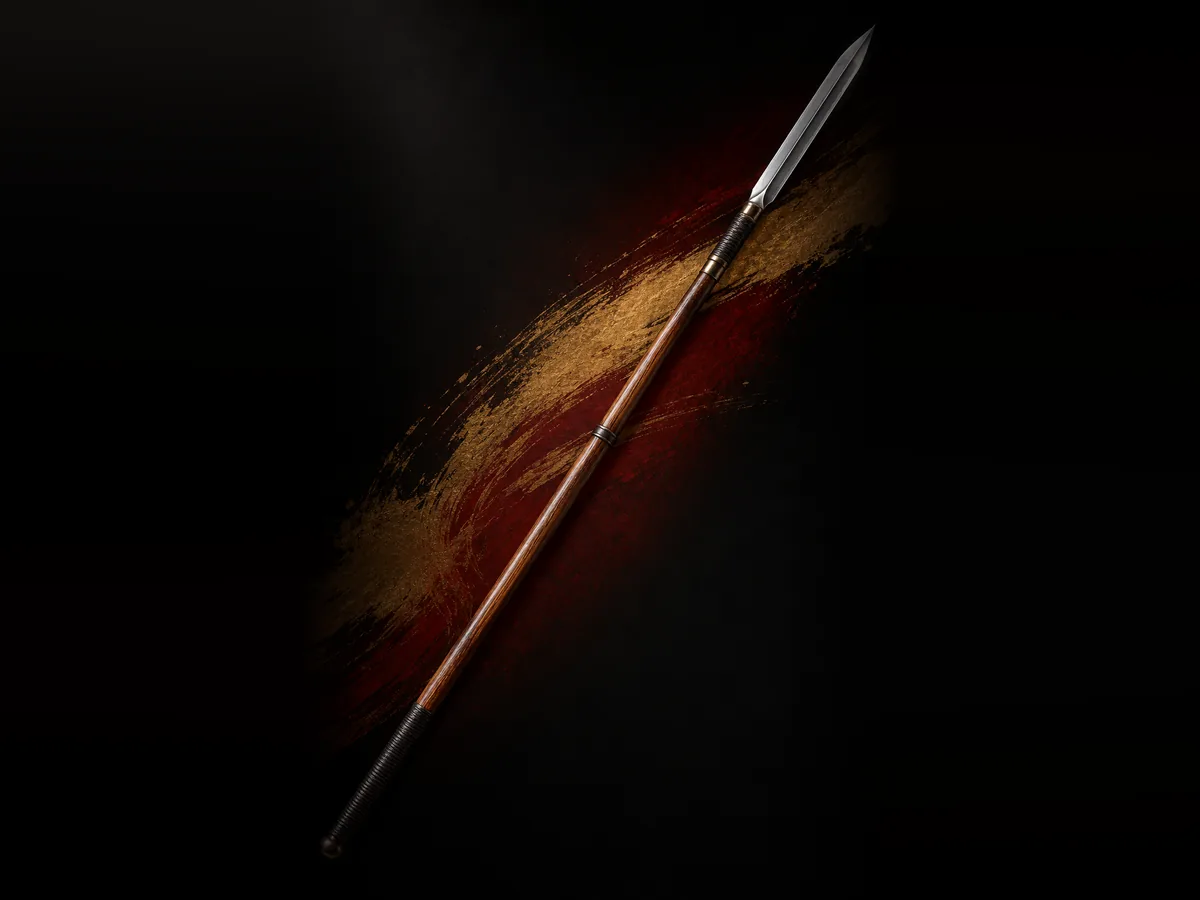
The long staff, traditionally six shaku (about 182 cm). It is the first weapon learned in Okinawan kobudo.
Sai
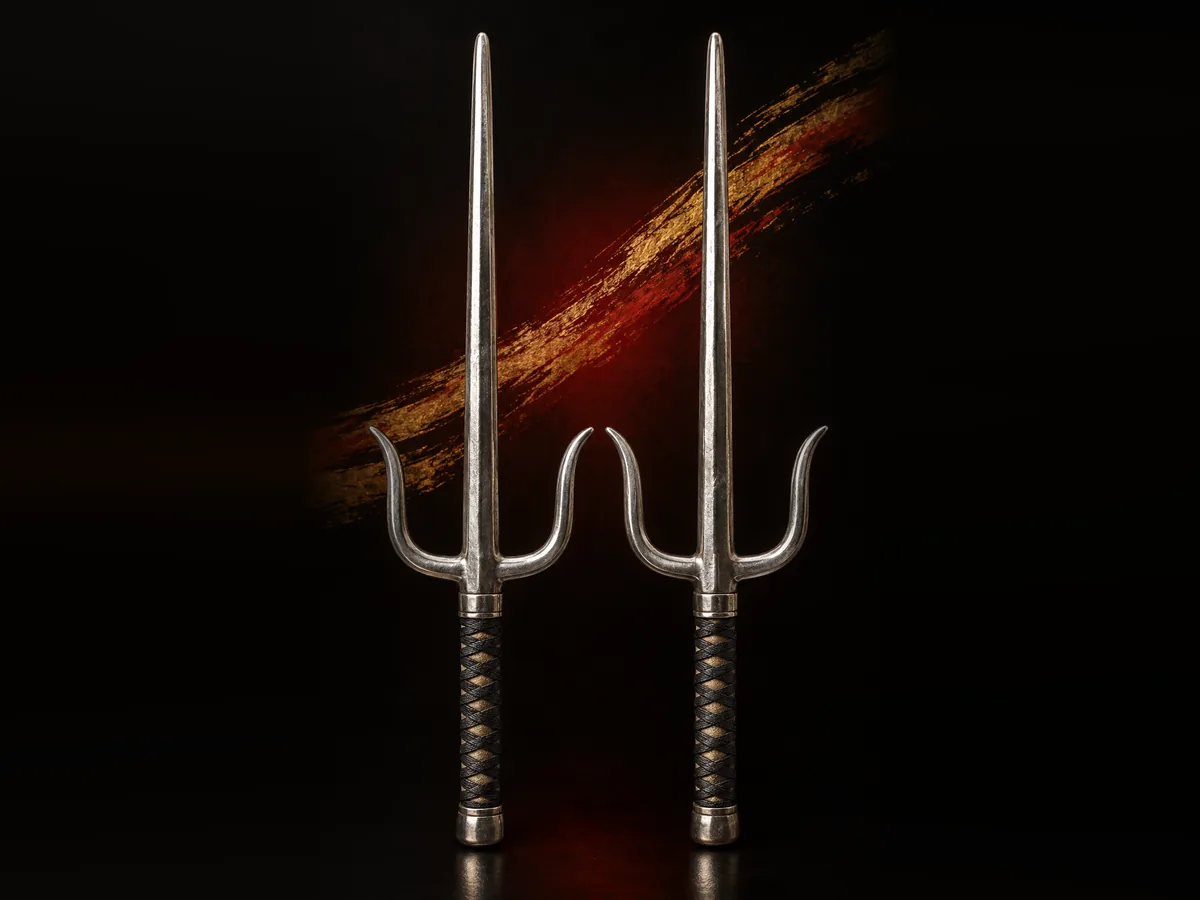
釵Knives and bladesOkinawa
A three-pronged metal truncheon, pointed but not sharpened. The side prongs trap and block a stick or blade.
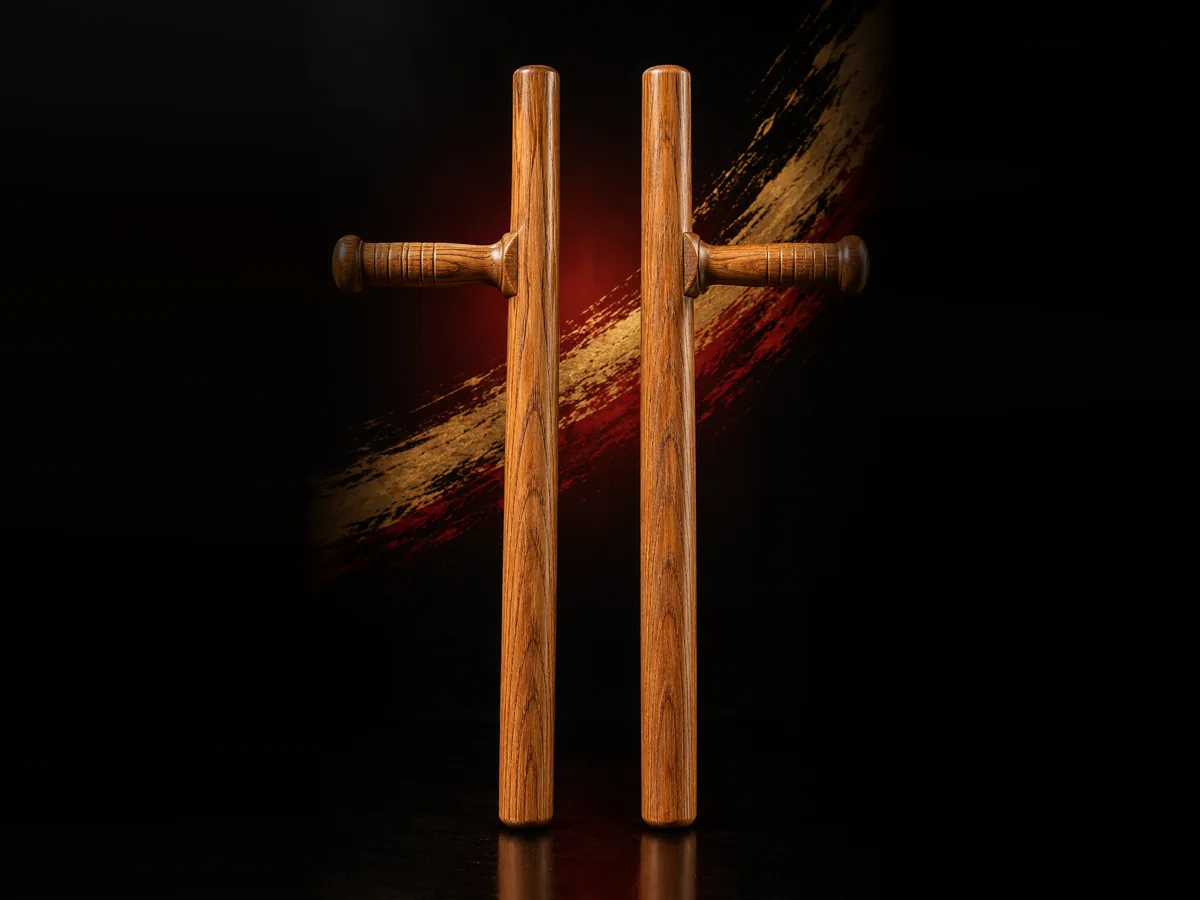
Tonfa
トンファーStaffs and sticksOkinawa
A stick with a side handle, spun to strike and held along the forearm to block. It inspired the side-handle baton used by many police forces.
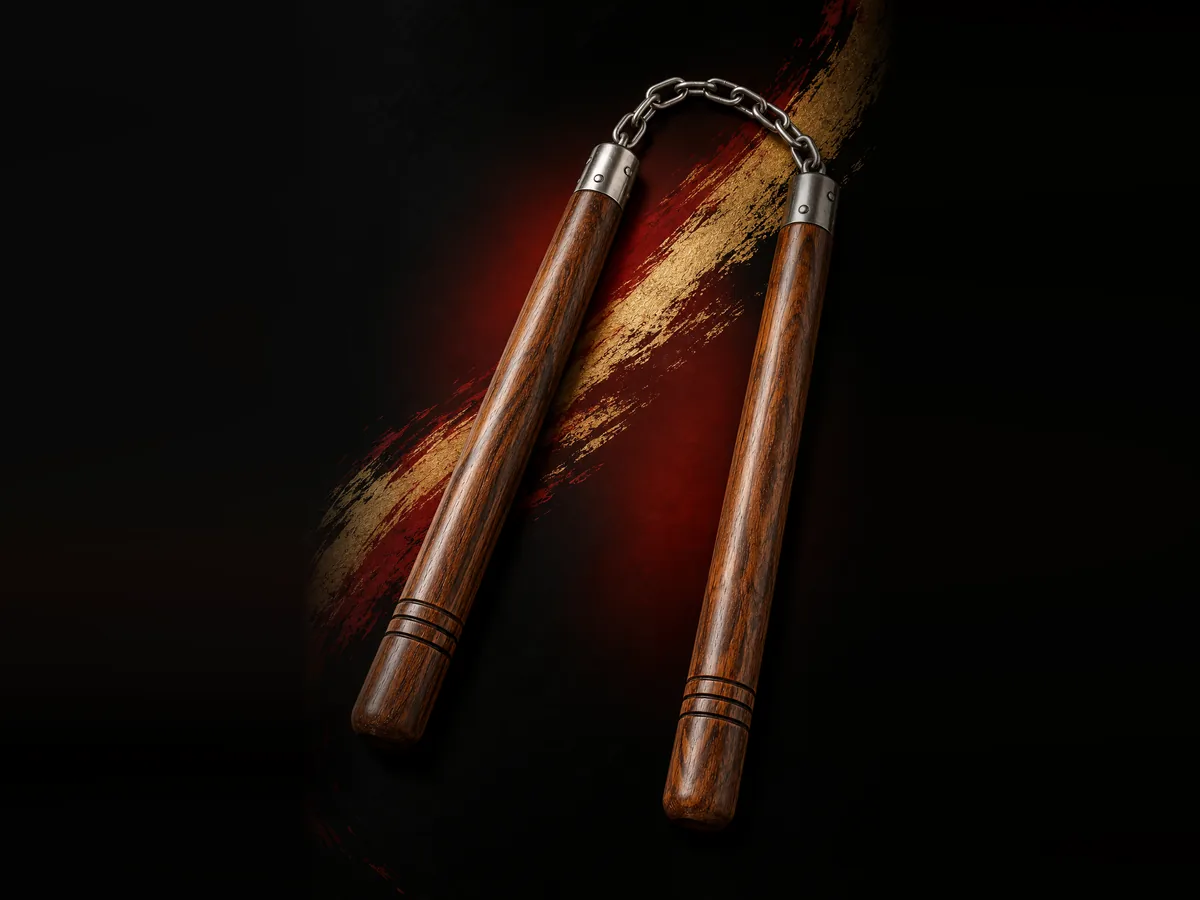
Nunchaku
ヌンチャクFlexible weaponsOkinawa
Two sticks joined by a cord or chain. An Okinawan kobudo weapon, it became famous around the world through Bruce Lee's films in the 1970s.
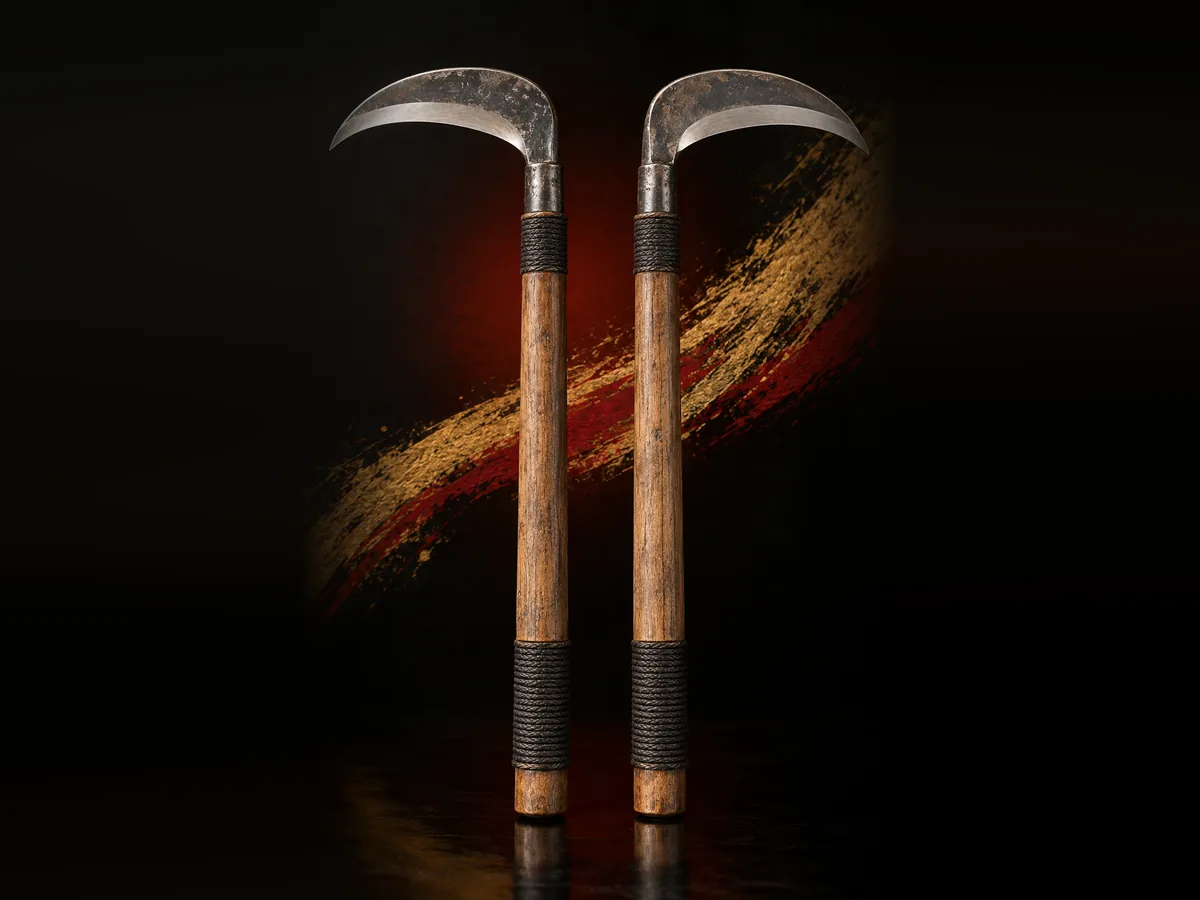
Kama
鎌Knives and bladesOkinawa
A rice sickle turned into a weapon. Kobudo uses it in pairs, to hook, block and cut.
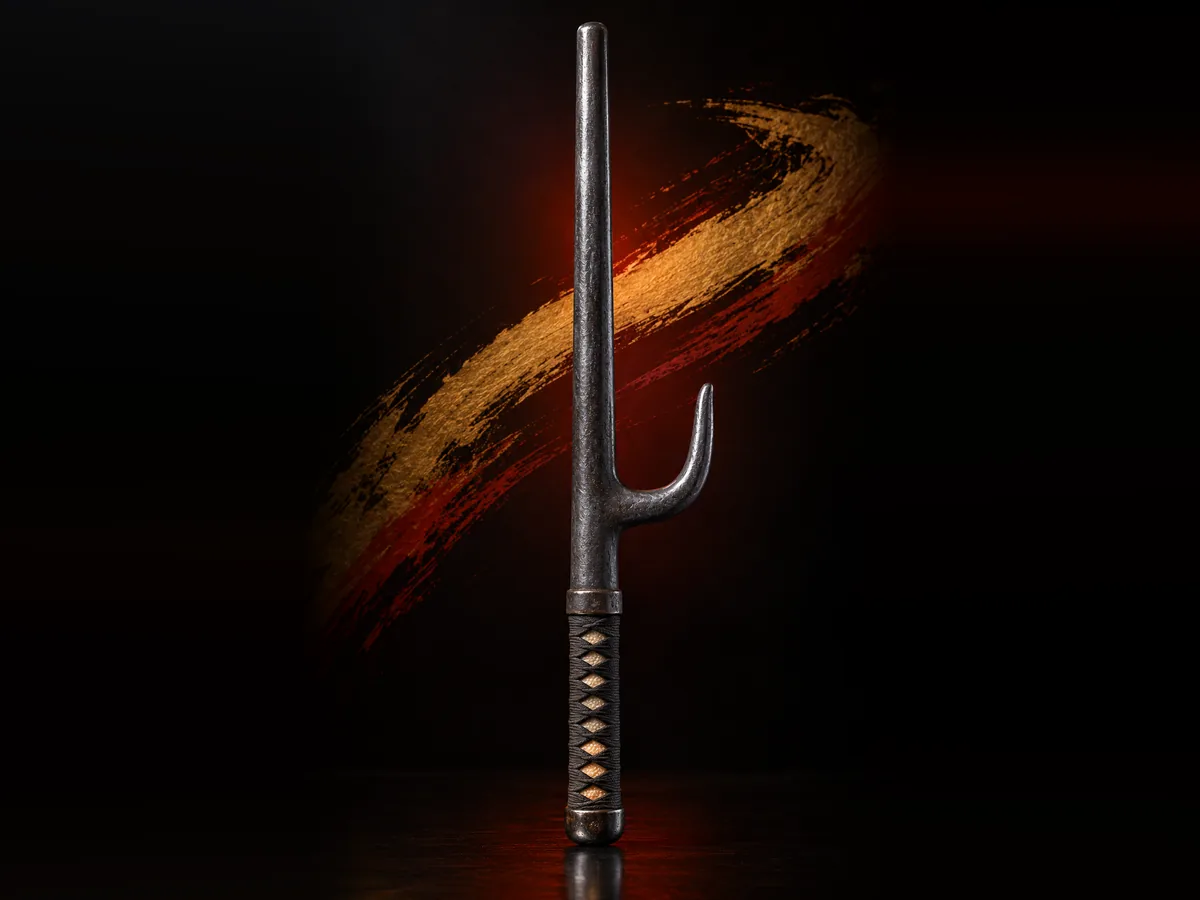
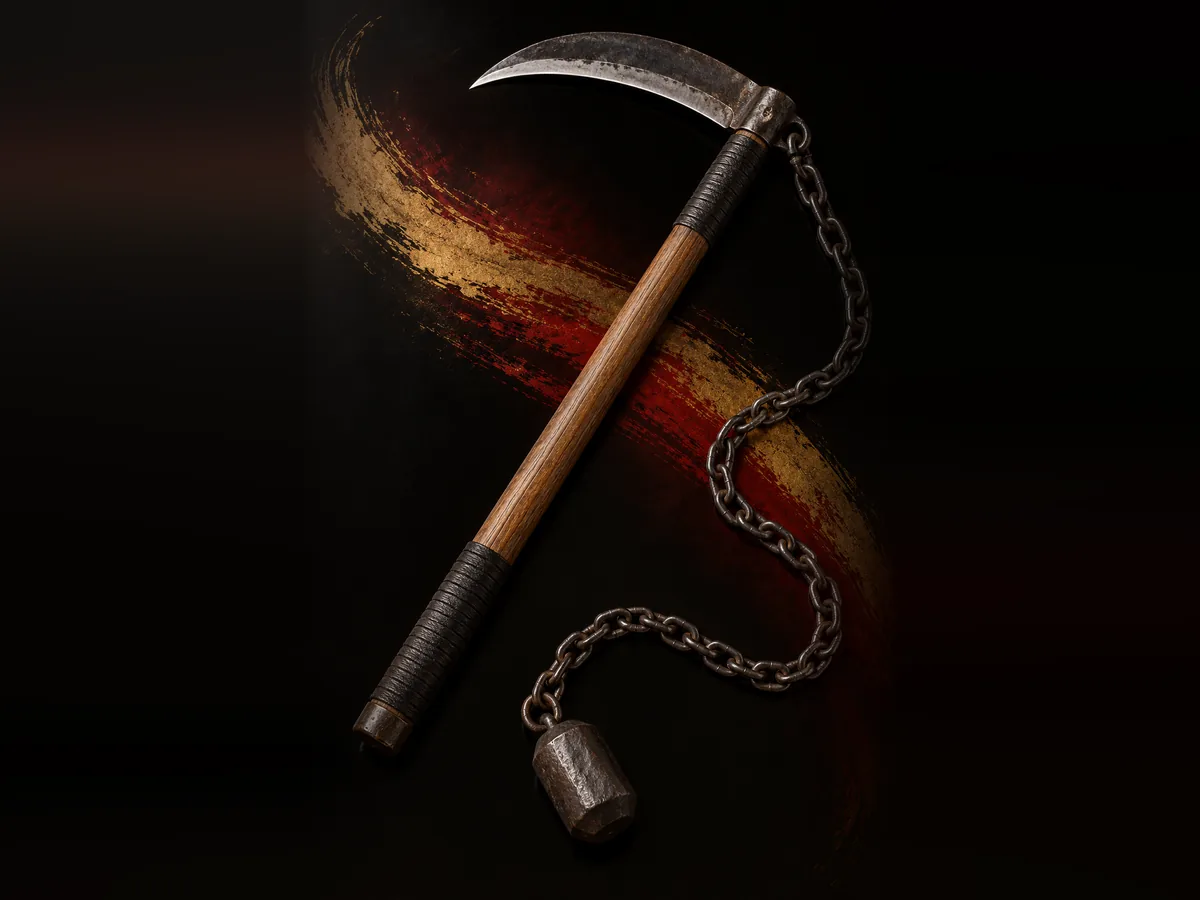
Kusarigama
鎖鎌Flexible weaponsJapan
A sickle joined to a chain with a weight. The chain entangles the enemy's weapon or legs, and the sickle finishes the fight.
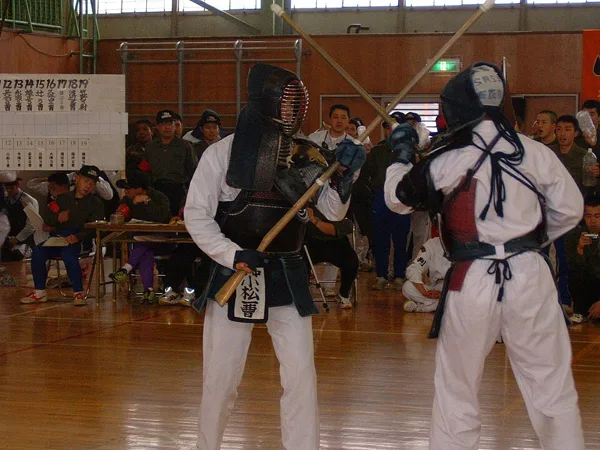
Mokuju (baioneta)
木銃Spears and polearmsJapan
Jukendo is fought with a wooden rifle with a padded tip, a training version of the rifle with bayonet.
Photo: ノースマン5614 (Norseman5614) · CC BY-SA 3.0 · Wikimedia Commons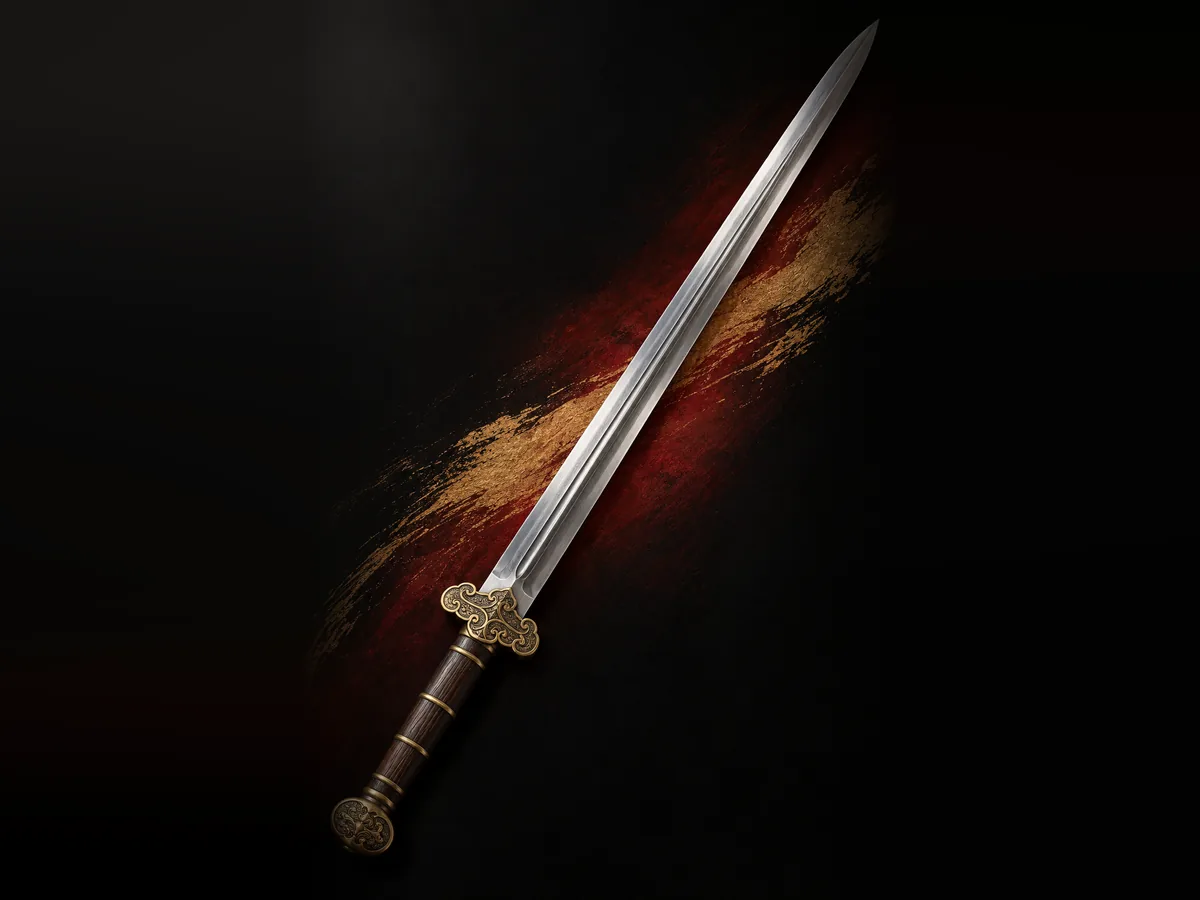
Jian
劍SwordsChina
The straight, double-edged Chinese sword, called the "gentleman of weapons". Tai chi sword forms are among the most practised in the world.
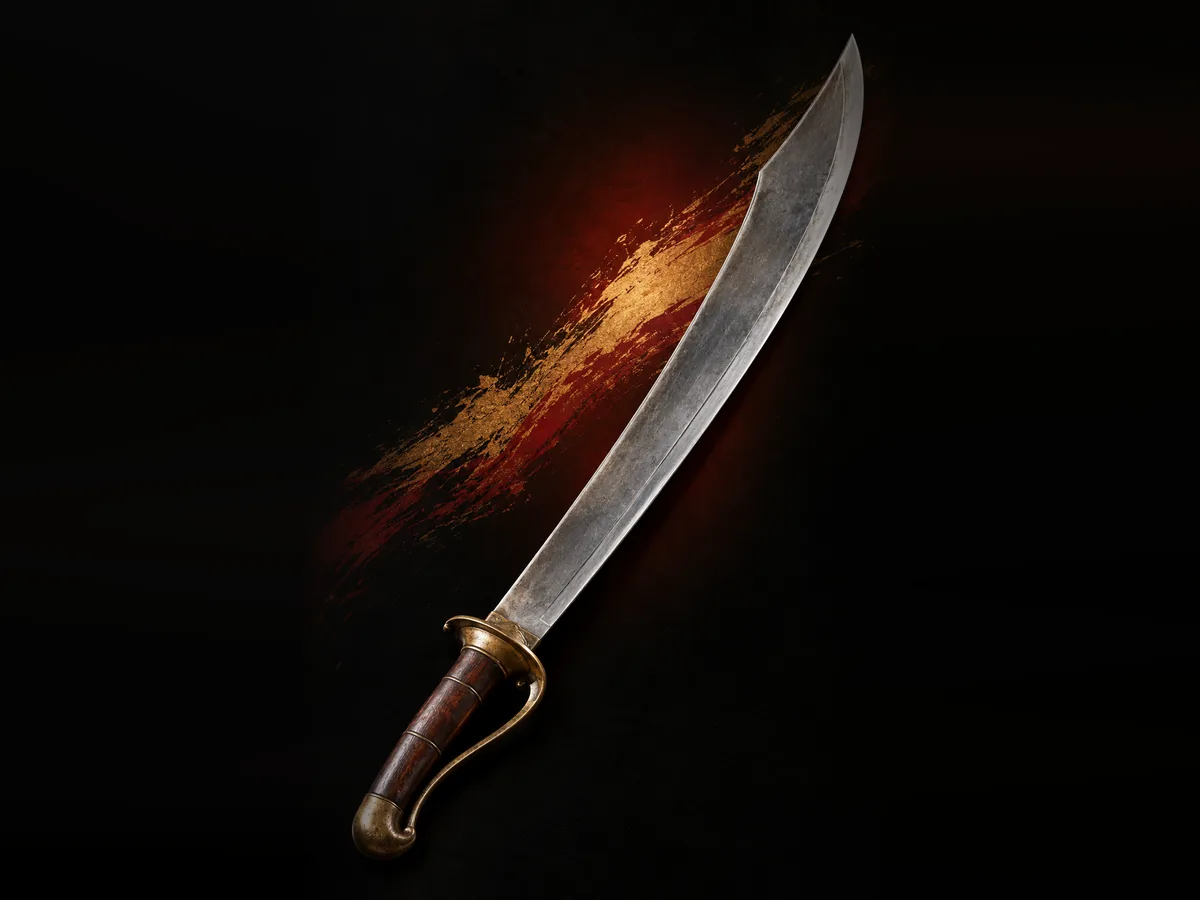
Dao
刀SwordsChina
The single-edged Chinese sabre, called the "general of weapons". It was the standard sidearm of Chinese soldiers for centuries.
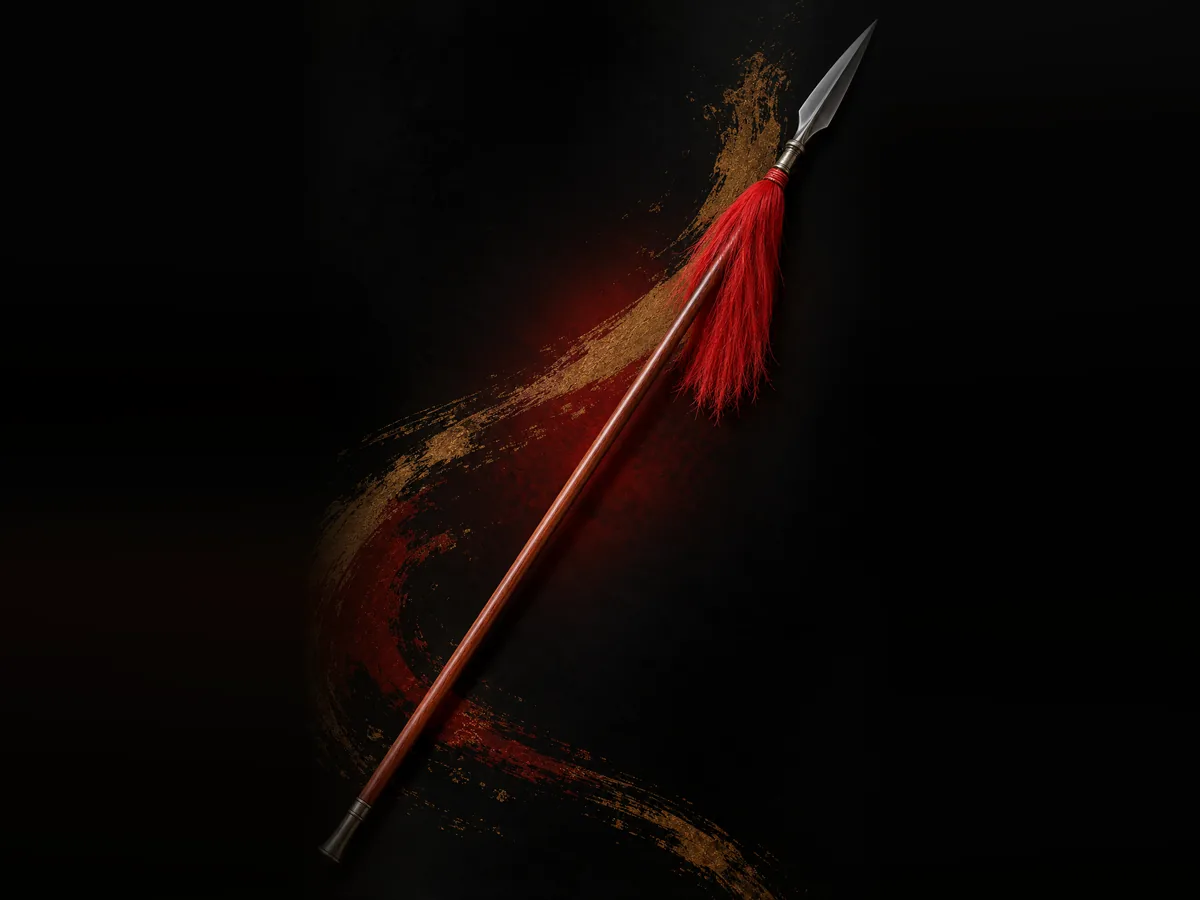
Qiang (lança)
槍Spears and polearmsChina
The Chinese spear, the "king of weapons", with a red tassel below the head that hides the shaft's movement. Xingyiquan and bajiquan grew from spear training.
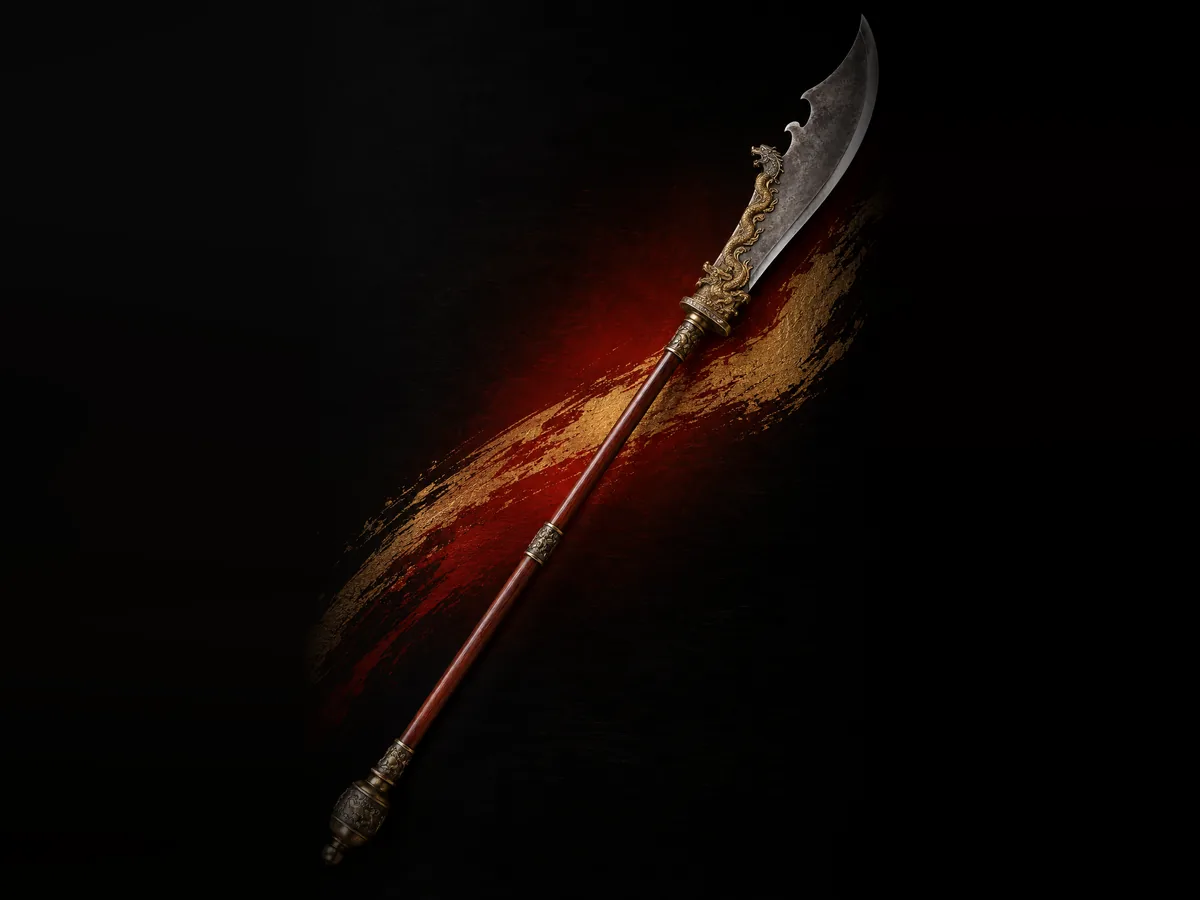
Guandao
關刀Spears and polearmsChina
A heavy blade on a long pole, named after the general Guan Yu. Historians think it appeared centuries after him; it was also used to test soldiers' strength.
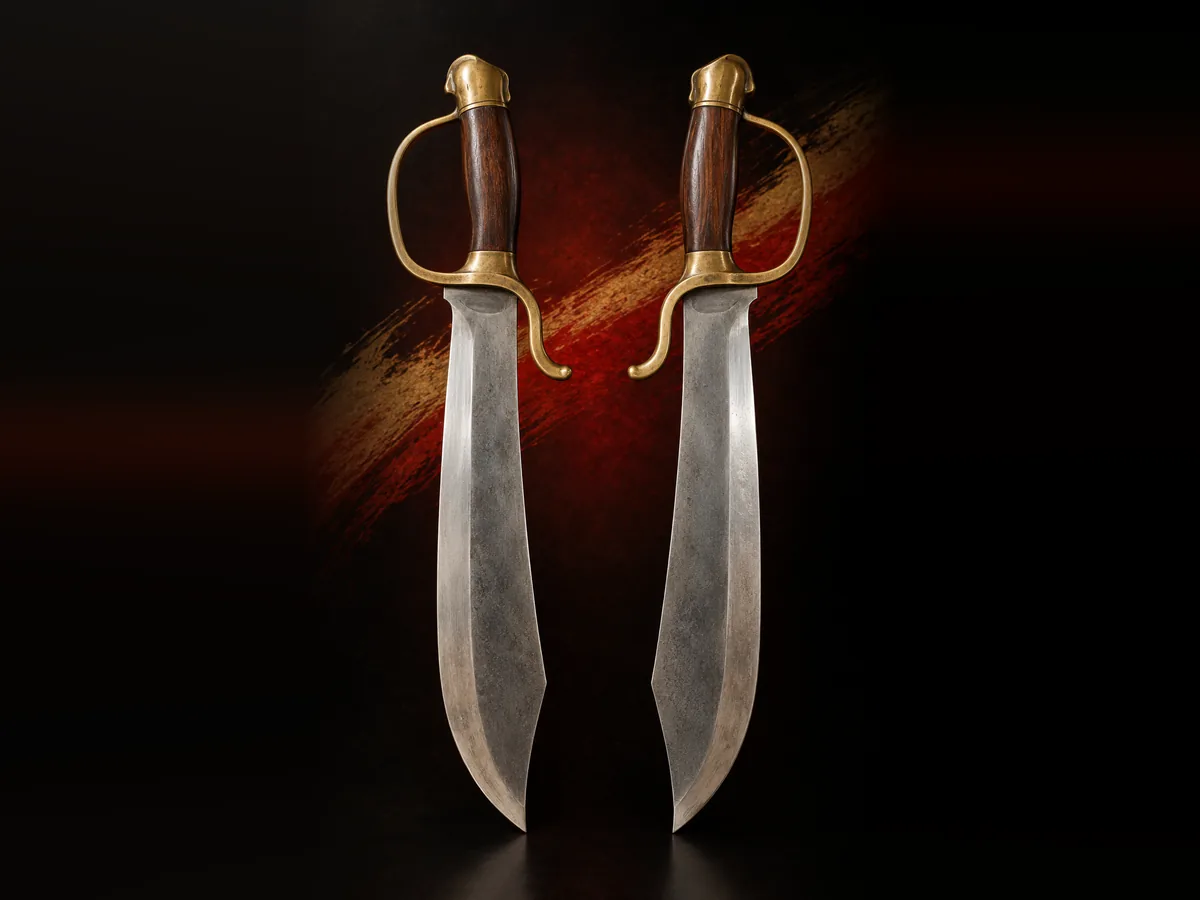
Facas borboleta
八斬刀Knives and bladesChina
A pair of short, broad blades from southern China. In Wing Chun they are the last form taught (baat jaam do), following the same lines as the empty hands.
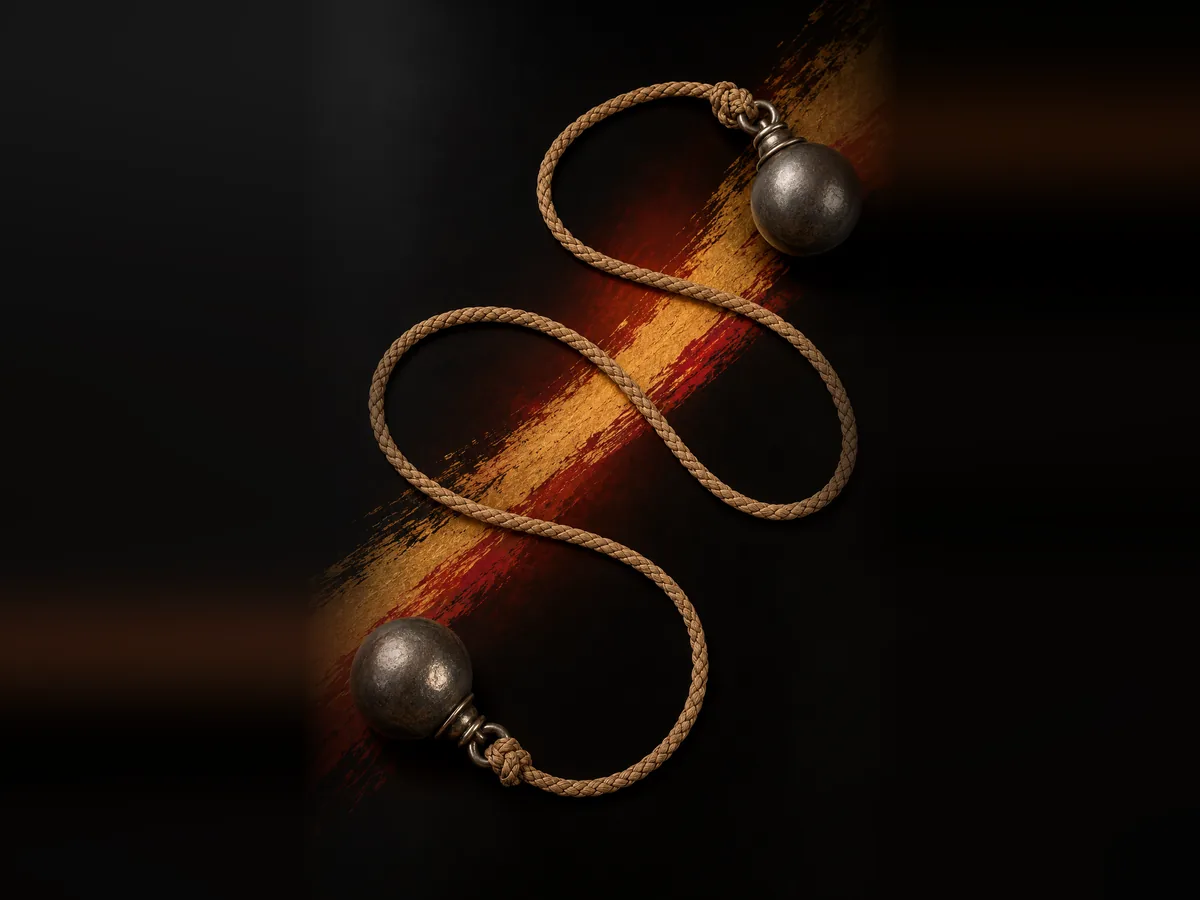
Martelo meteoro
流星錘Flexible weaponsChina
Weights on the ends of a long rope, swung around the body. Today it is mostly a spectacular wushu performance weapon.
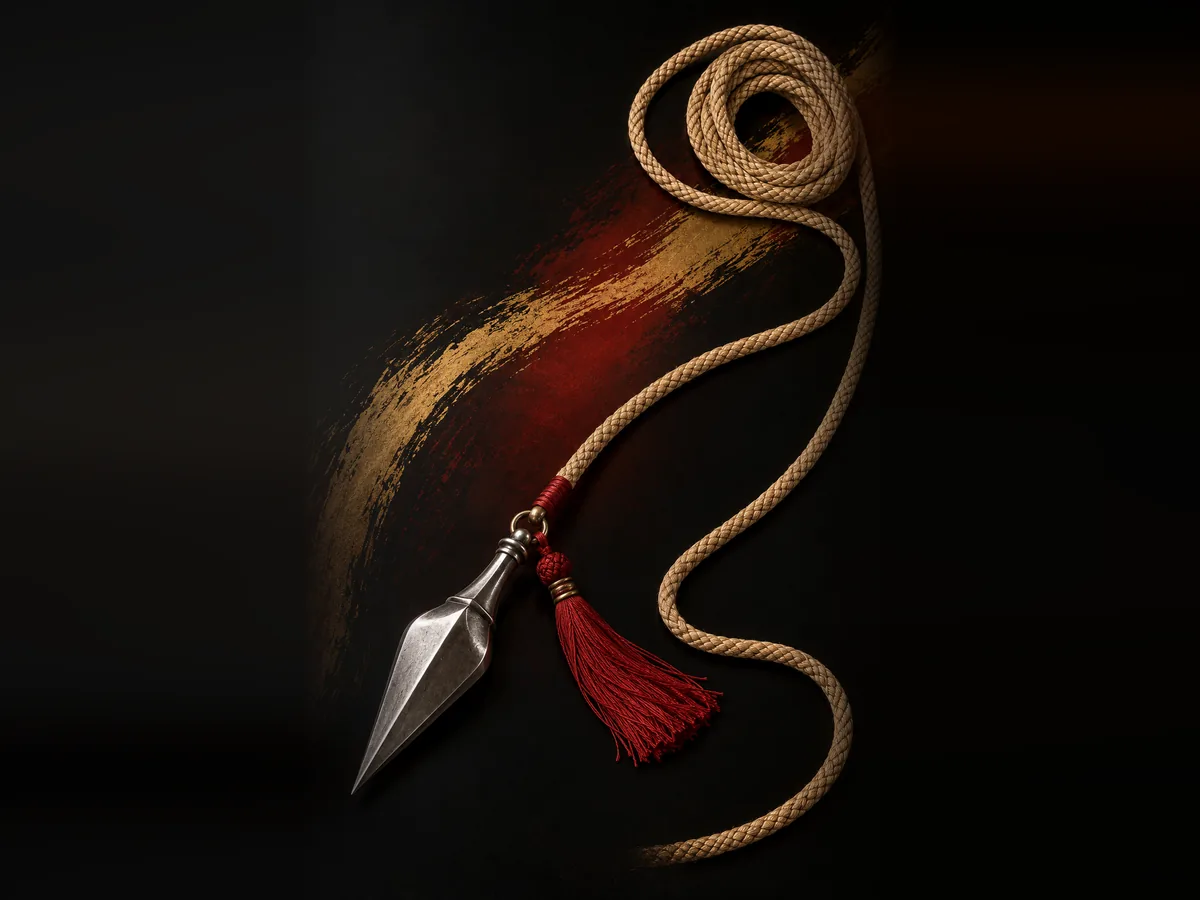
Dardo de corda
繩鏢Flexible weaponsChina
A metal dart on a long rope, thrown and pulled back by wrapping the rope around the arms, legs and neck.
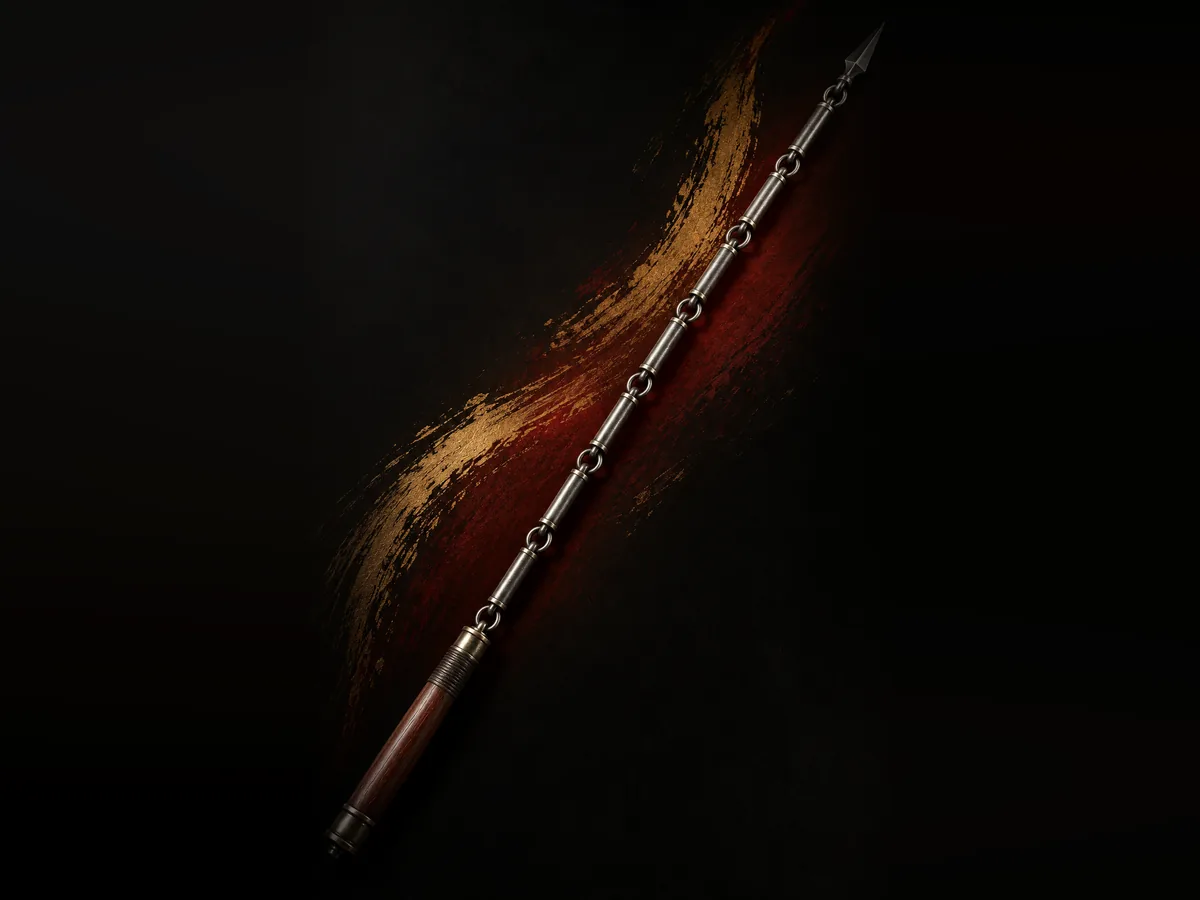
Chicote de nove secções
九節鞭Flexible weaponsChina
Metal rods joined by rings, with a dart at the end. It can be folded and hidden, then spun at great speed.
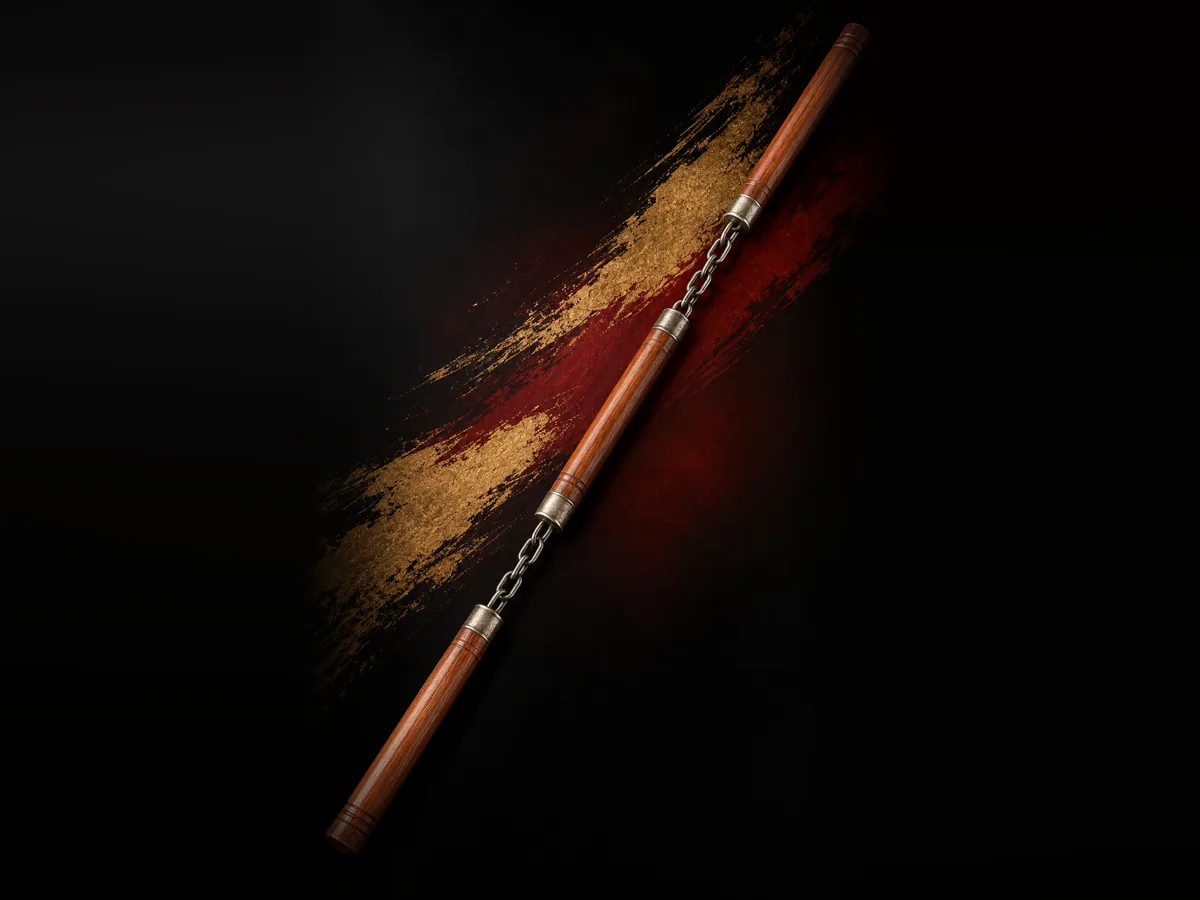
Bastão de três secções
三節棍Flexible weaponsChina
Three short staffs joined by chains. It strikes around a block and is one of the hardest Chinese weapons to master.
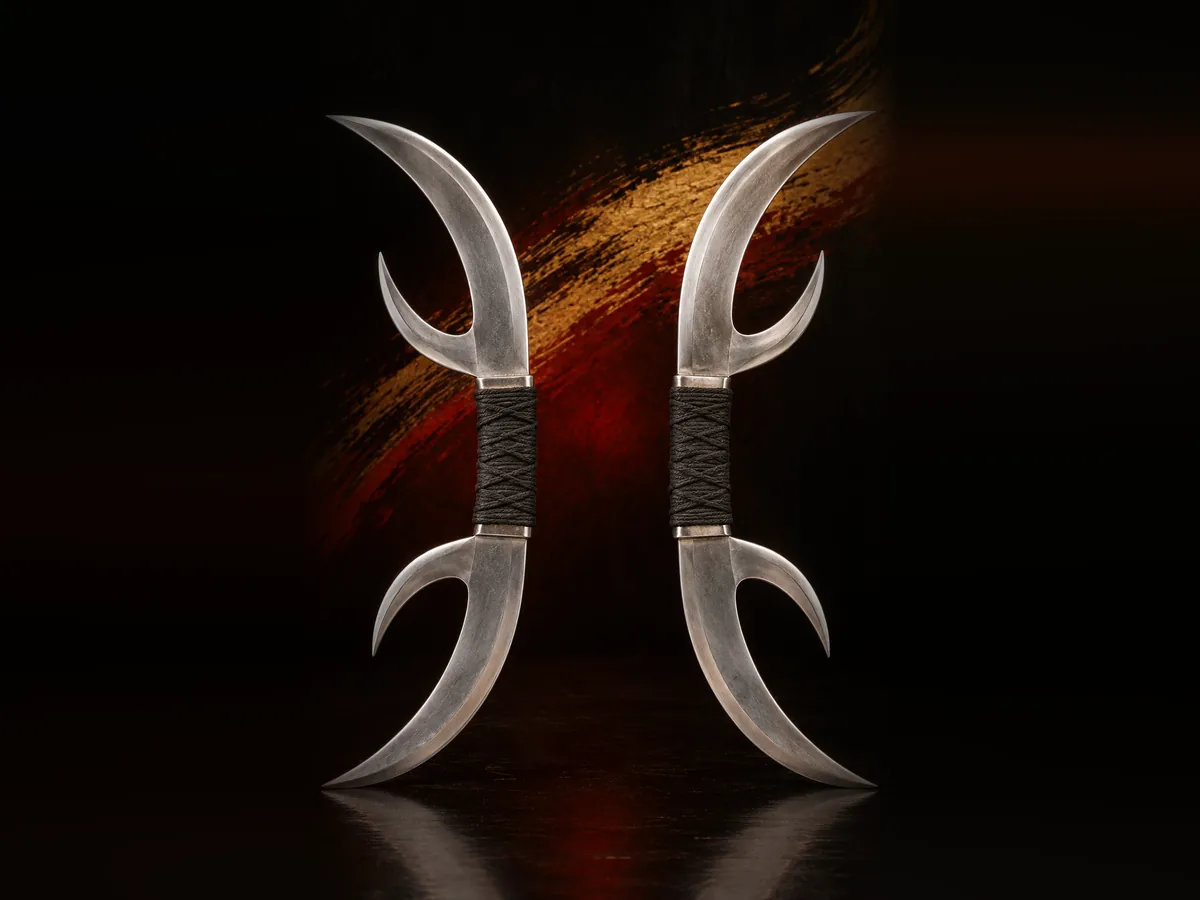
Facas chifre de veado
鹿角刀Knives and bladesChina
Pairs of crescent blades held in the middle, the signature weapon of baguazhang, used while walking in circles.
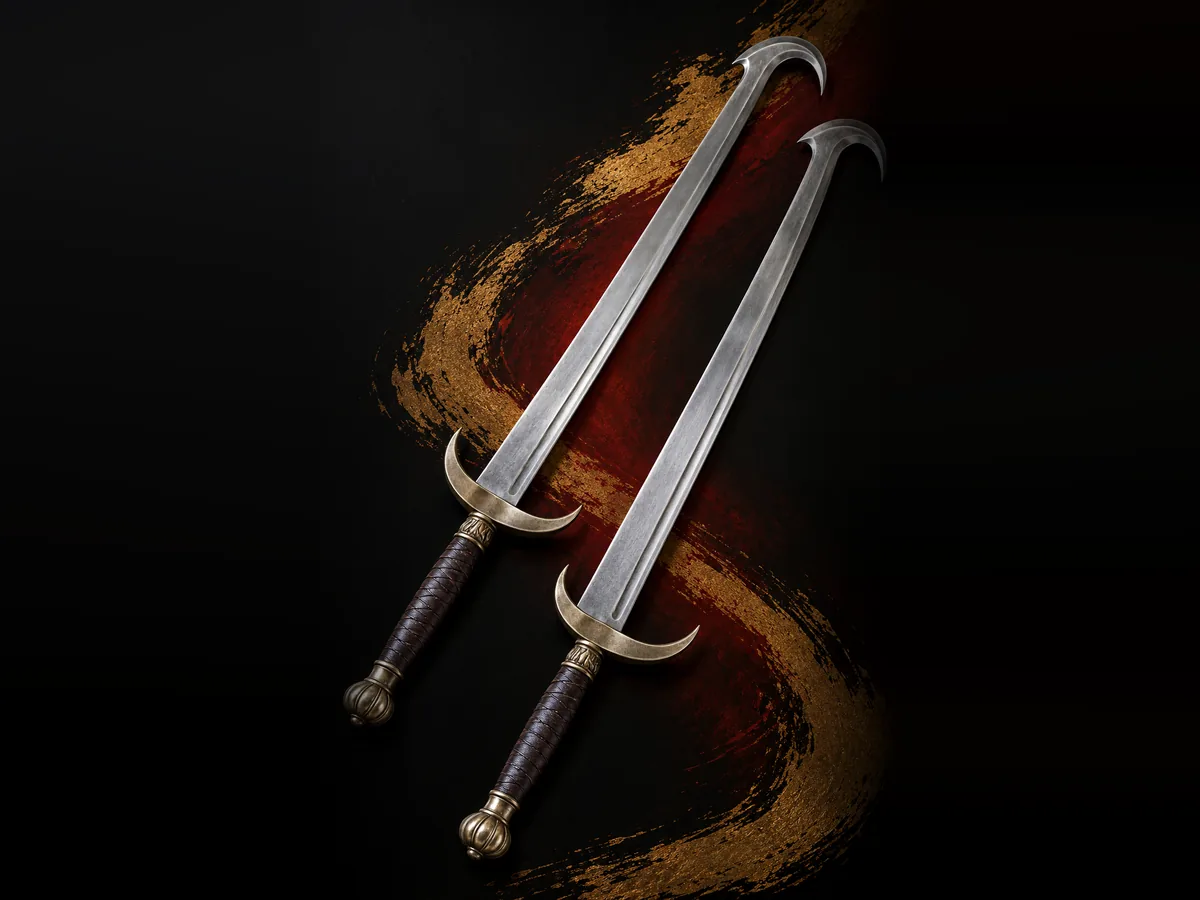
Espadas de gancho
鈎SwordsChina
Swords with a hooked tip and a crescent guard. Two can be linked by the hooks to reach further.
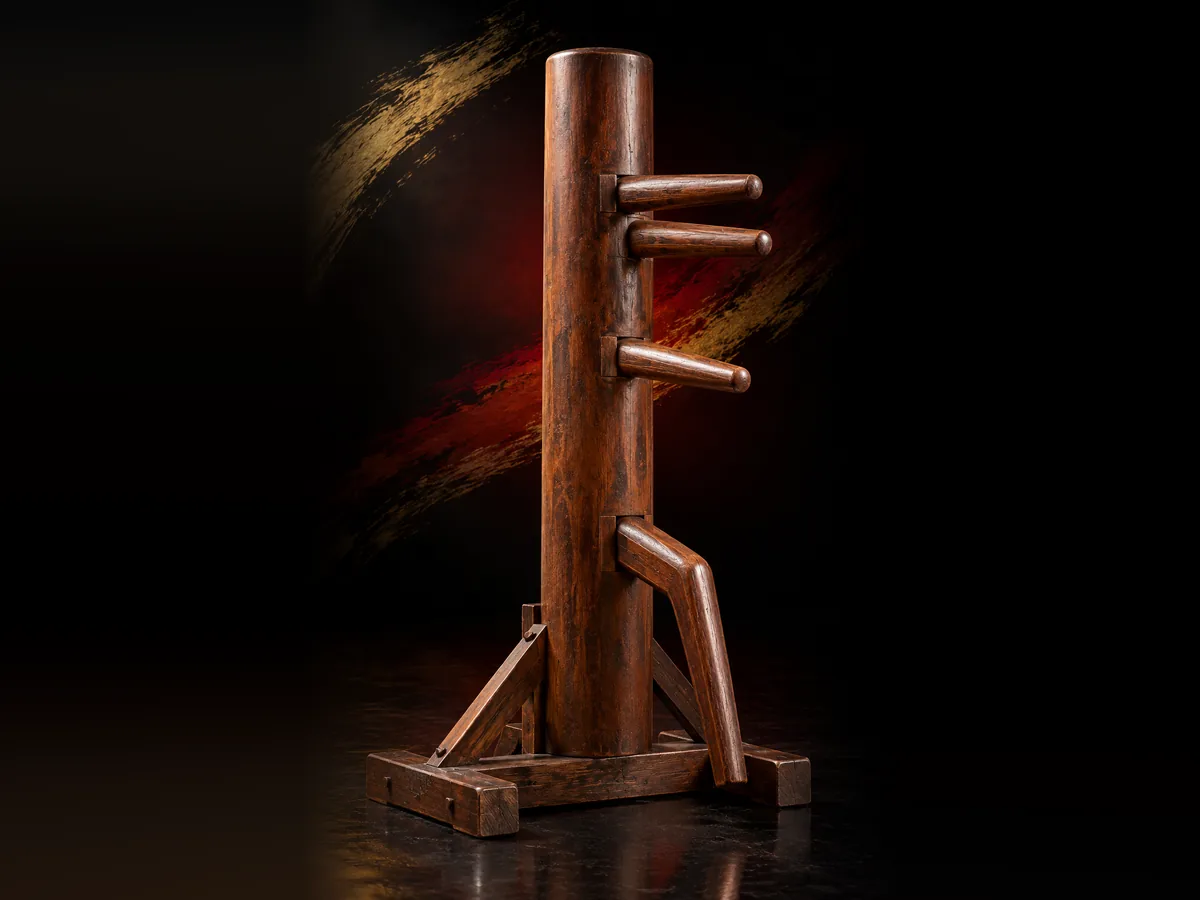
Boneco de madeira
木人樁Training toolsChina
A wooden post with arms and a leg, used in Wing Chun to train blocks, angles and footwork. It has its own form of over 100 movements.
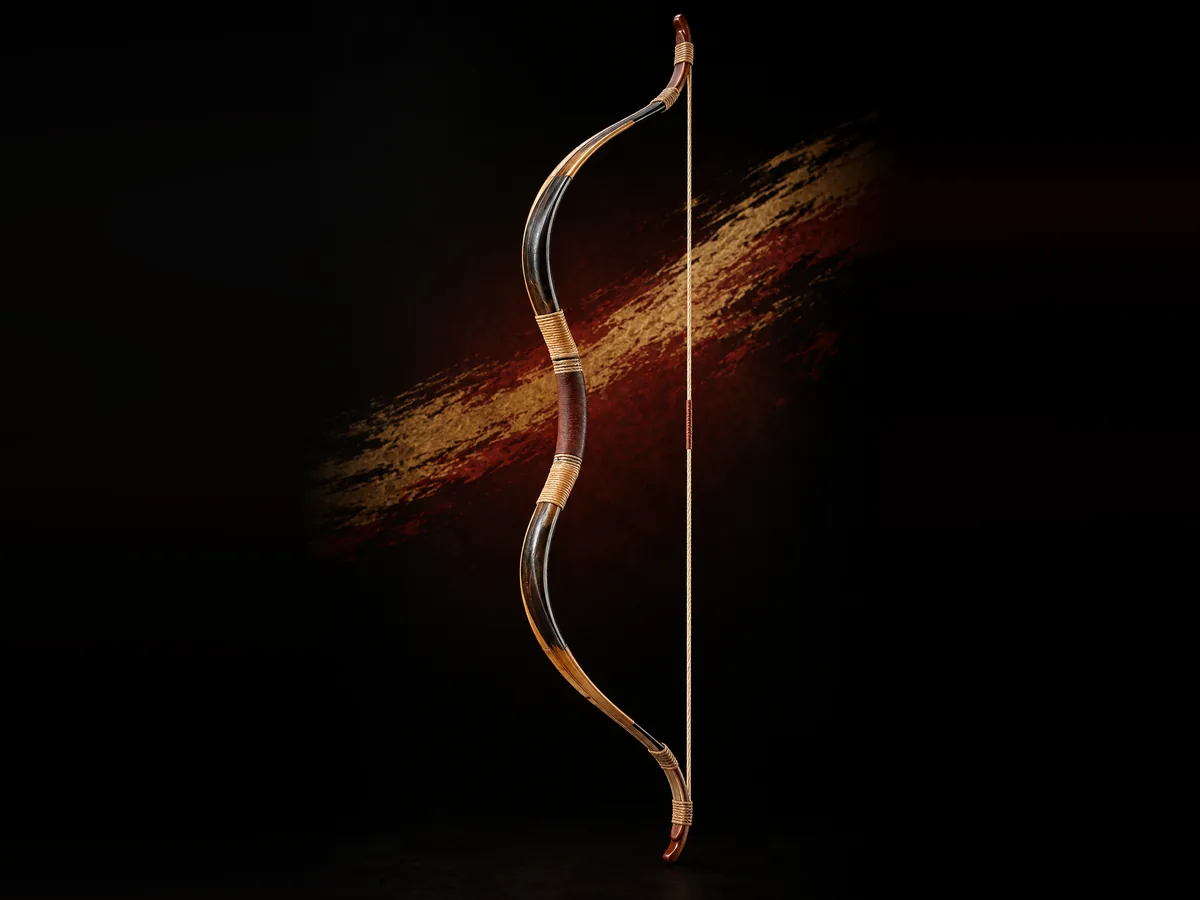
Gakgung
角弓Bows and throwingKorea
The Korean horn bow, short and very powerful, made of horn, bamboo and sinew. Korean archery is still practised on traditional ranges.
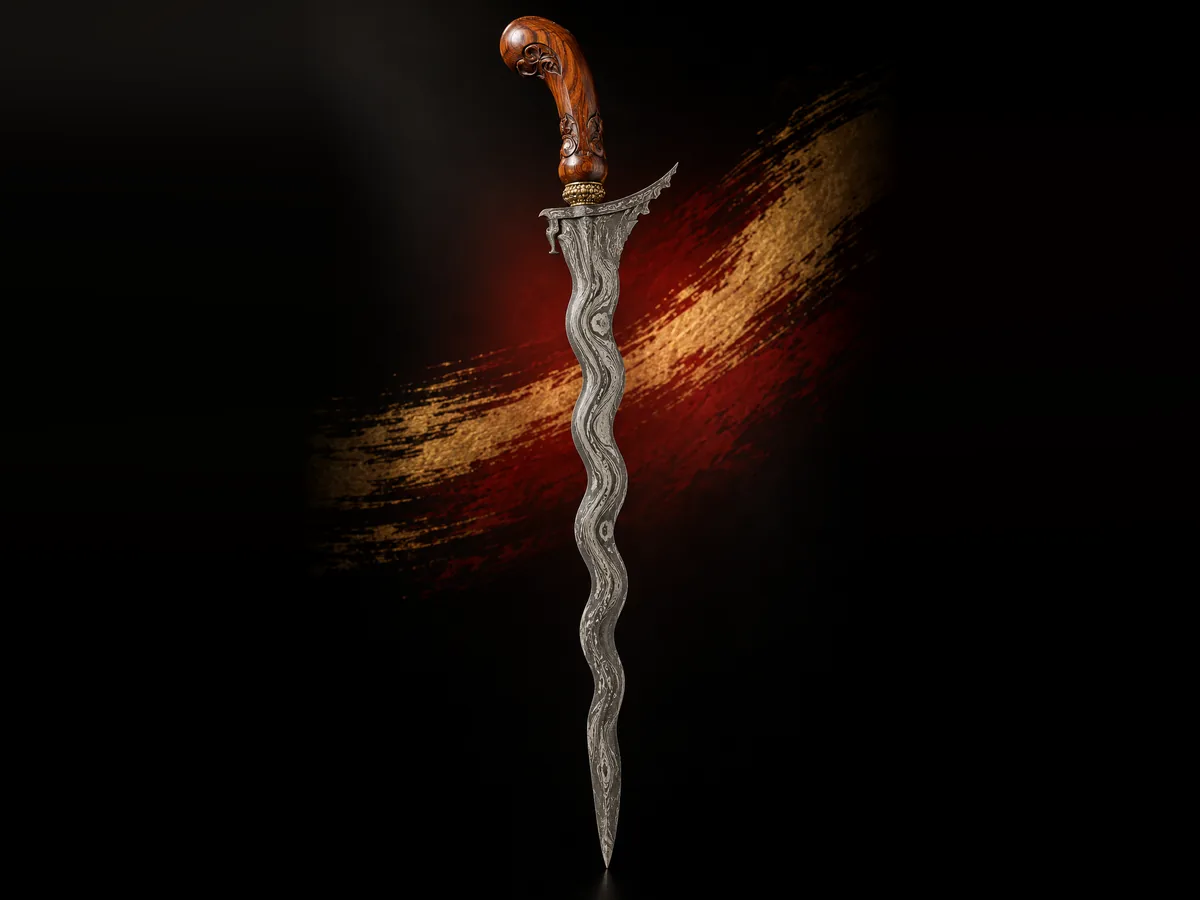
Kris
kerisKnives and bladesSoutheast Asia
The asymmetric, often wavy dagger of Indonesia and Malaysia. It is both a weapon and a spiritual heirloom; UNESCO lists the Indonesian kris as heritage of humanity.
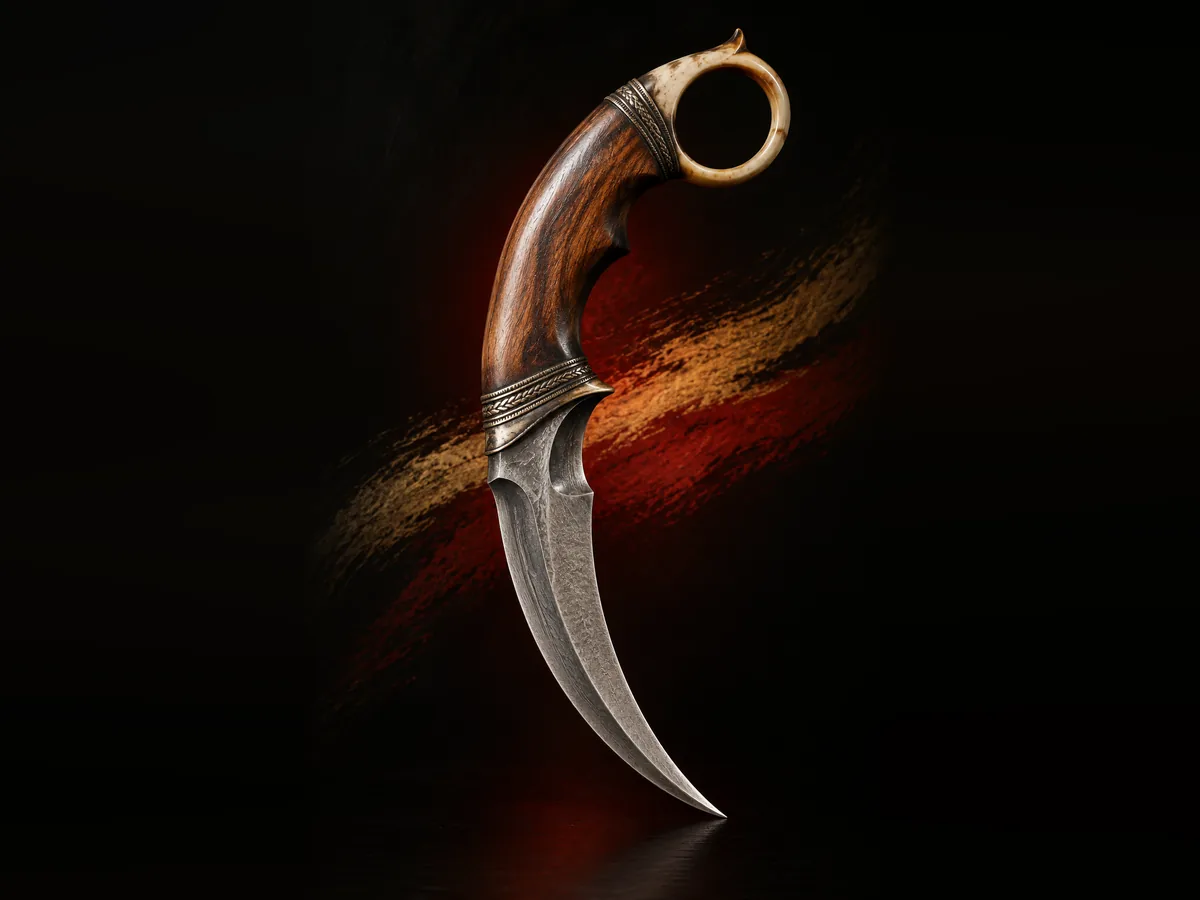
Karambit
kerambitKnives and bladesSoutheast Asia
A small curved knife shaped like a claw, with a ring for the finger. It comes from farm tools of Sumatra and Java.
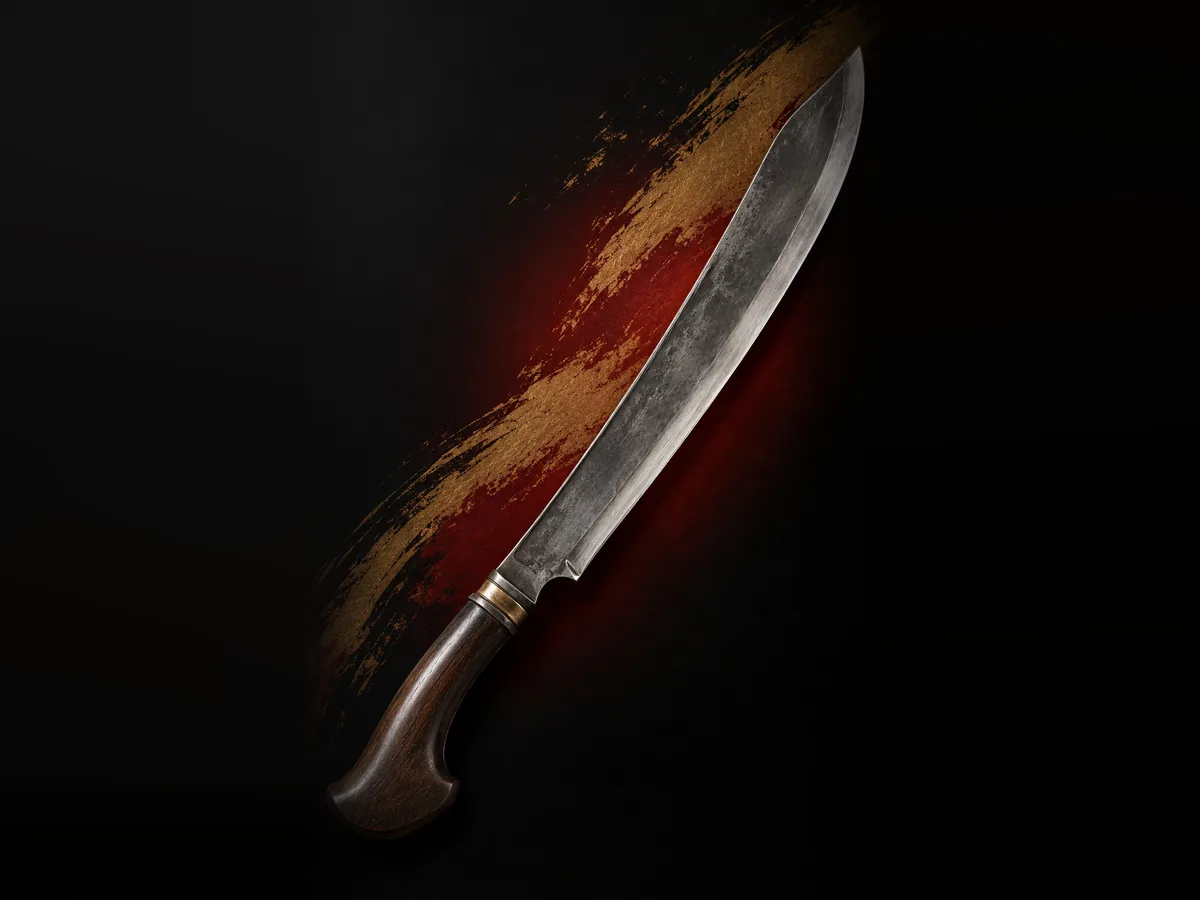
Golok
Knives and bladesSoutheast Asia
A heavy machete-like blade from Indonesia and Malaysia, a farm tool and a silat weapon.
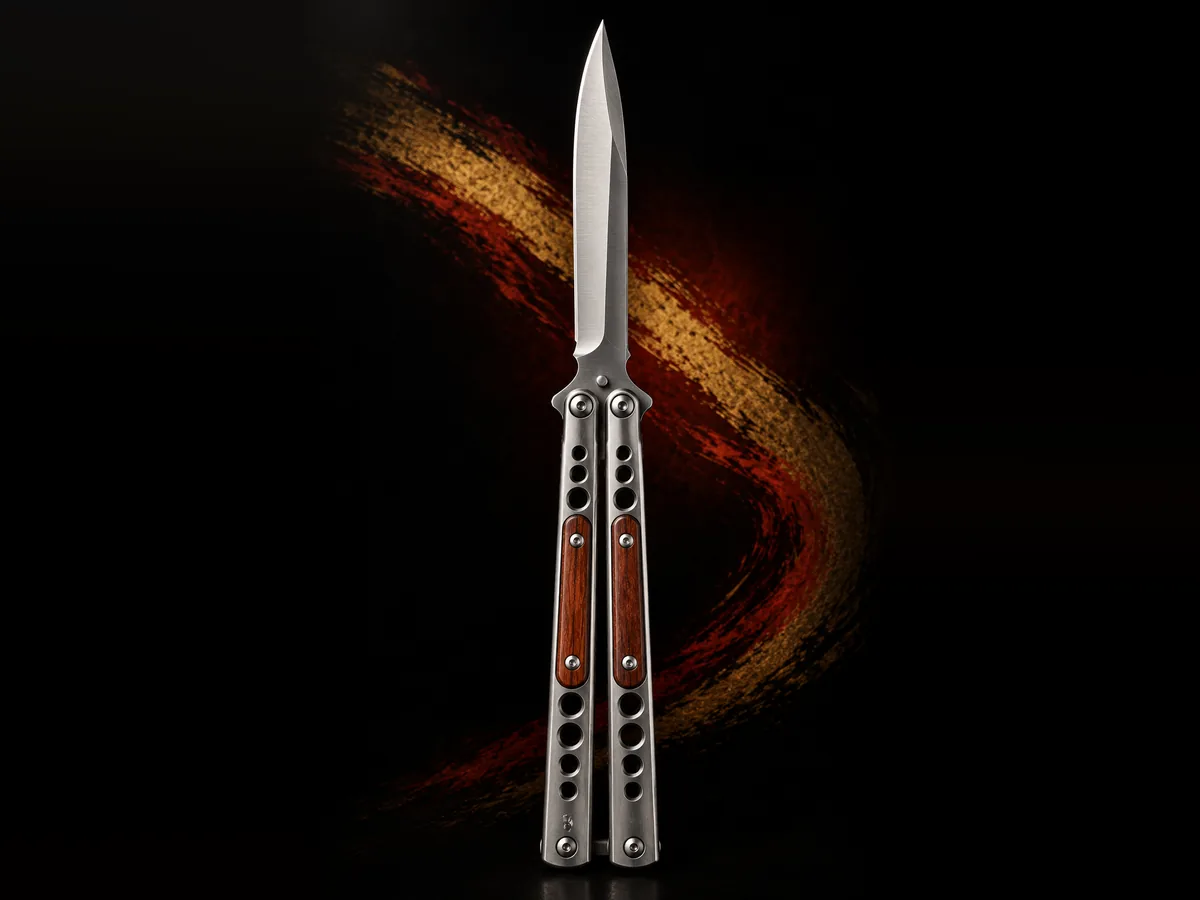
Balisong
Knives and bladesSoutheast Asia
The Filipino folding "butterfly knife", whose handle splits in two around the blade.
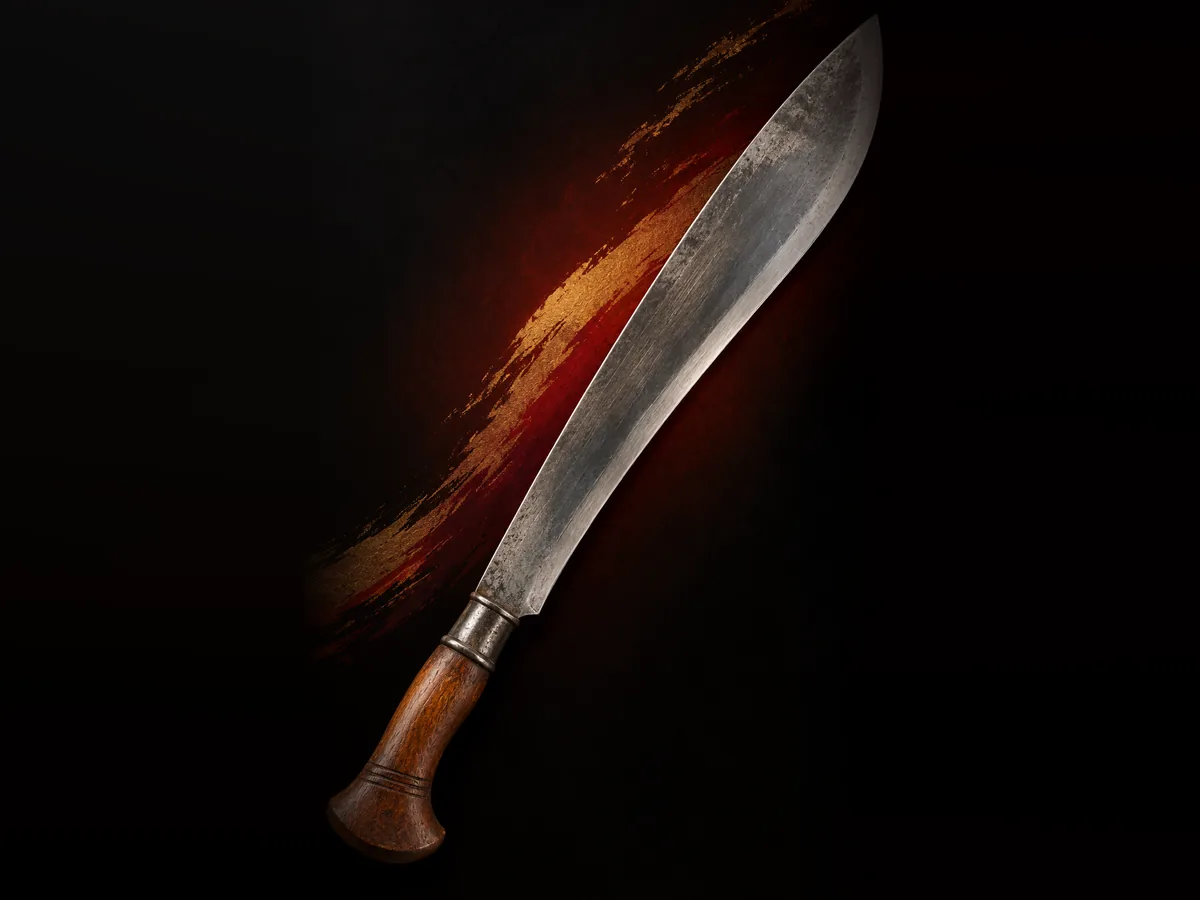
Bolo
itakKnives and bladesSoutheast Asia
The Filipino farm machete. Eskrima teaches that the same movements work with a stick, a bolo or empty hands.
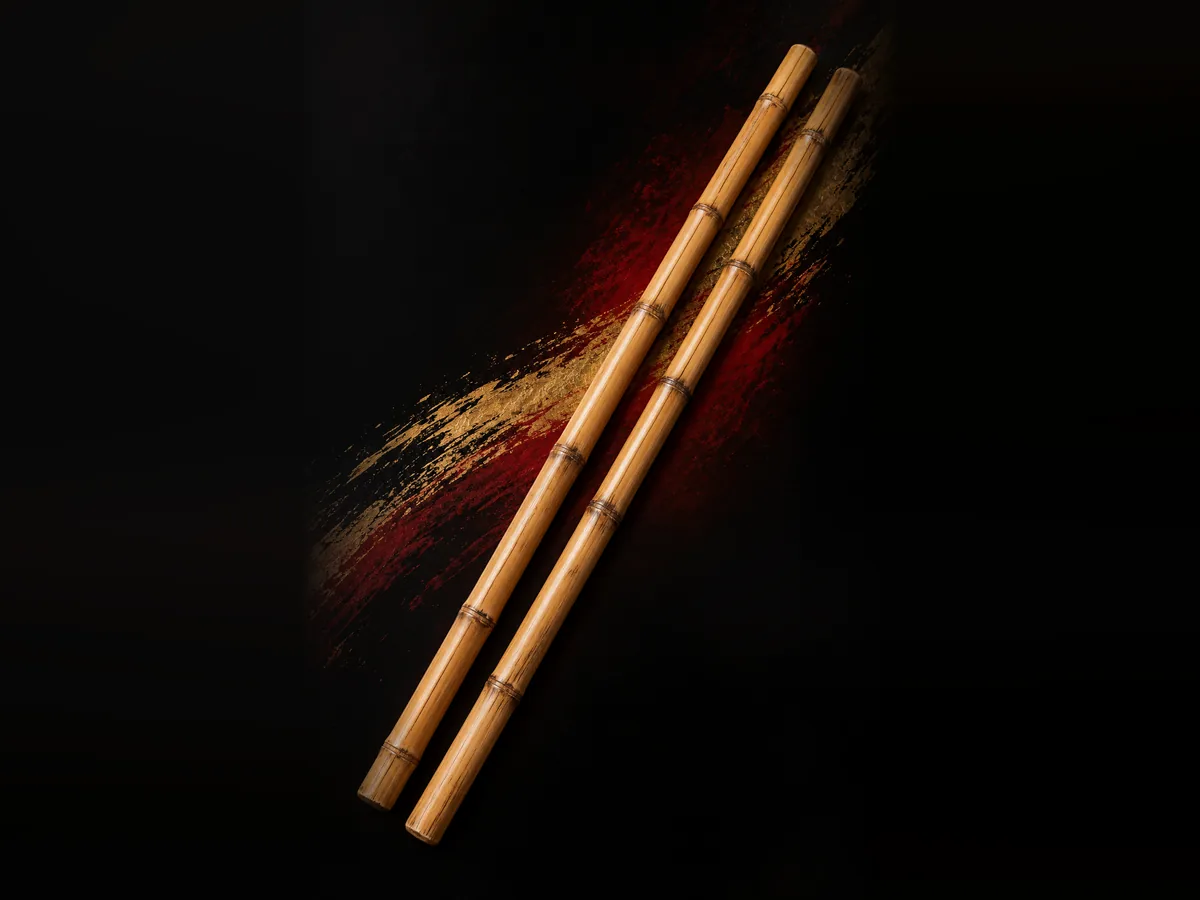
Baston (pau de rattan)
bastonStaffs and sticksSoutheast Asia
The rattan stick of eskrima, about 70 cm long, often used in pairs (doble baston). Rattan is light and does not splinter.
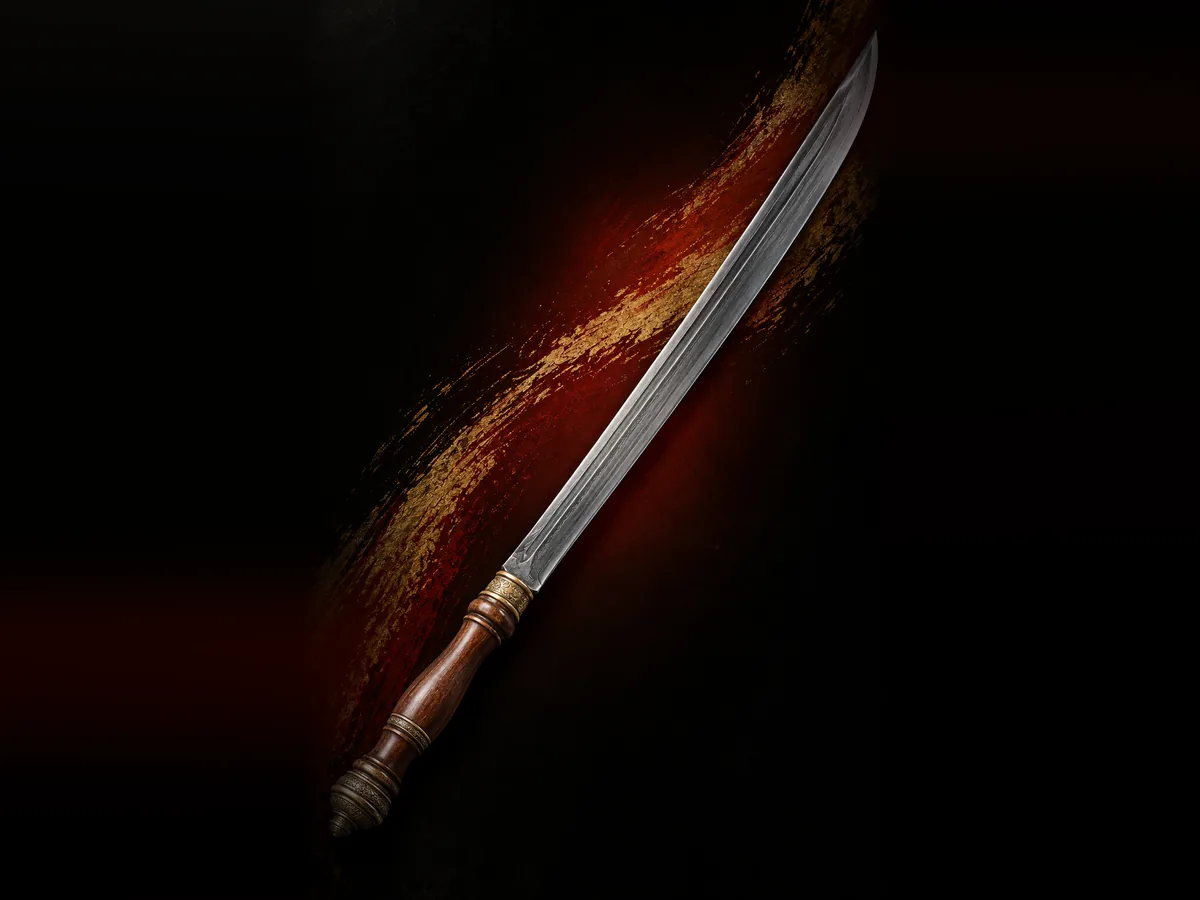
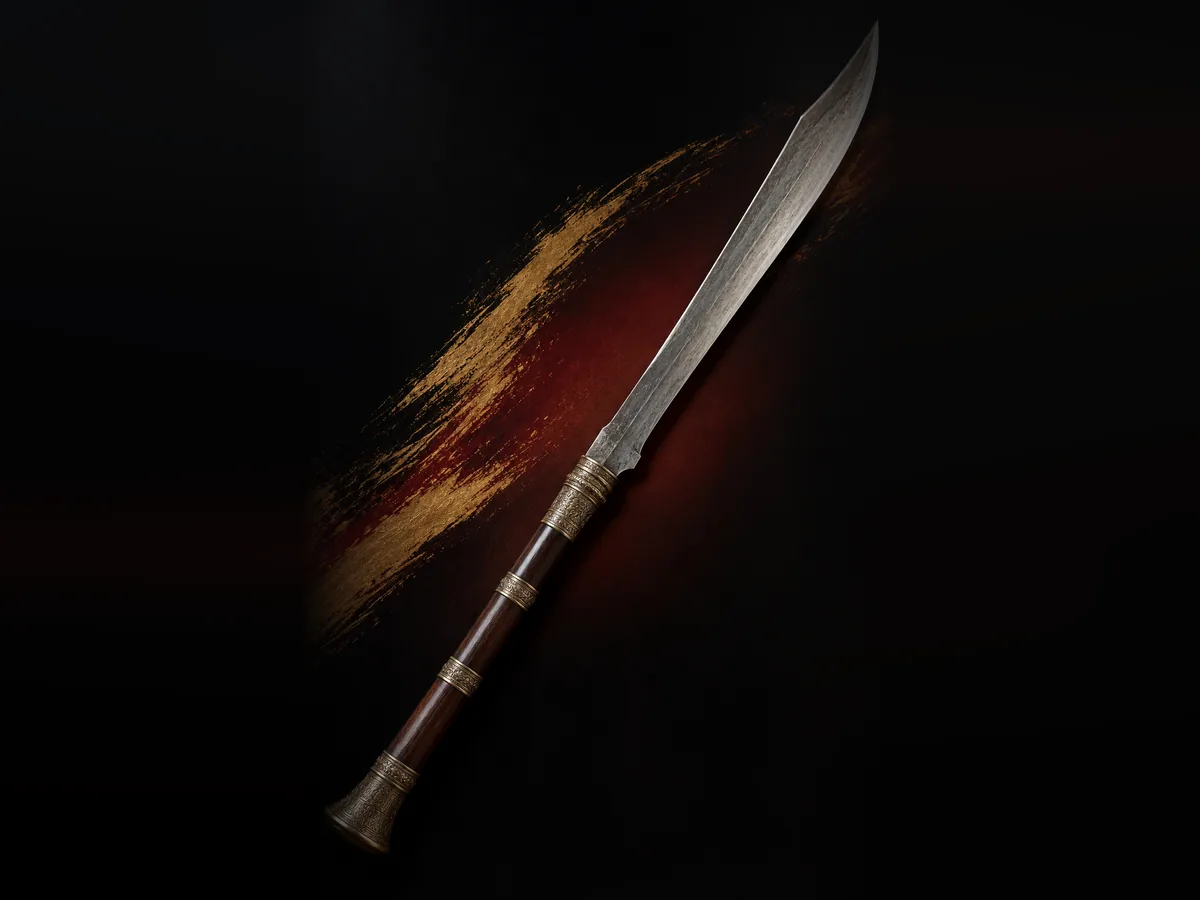
Krabi / daab
กระบี่SwordsSoutheast Asia
The Thai sword. In krabi krabong fighters often use two at once (daab song mue).
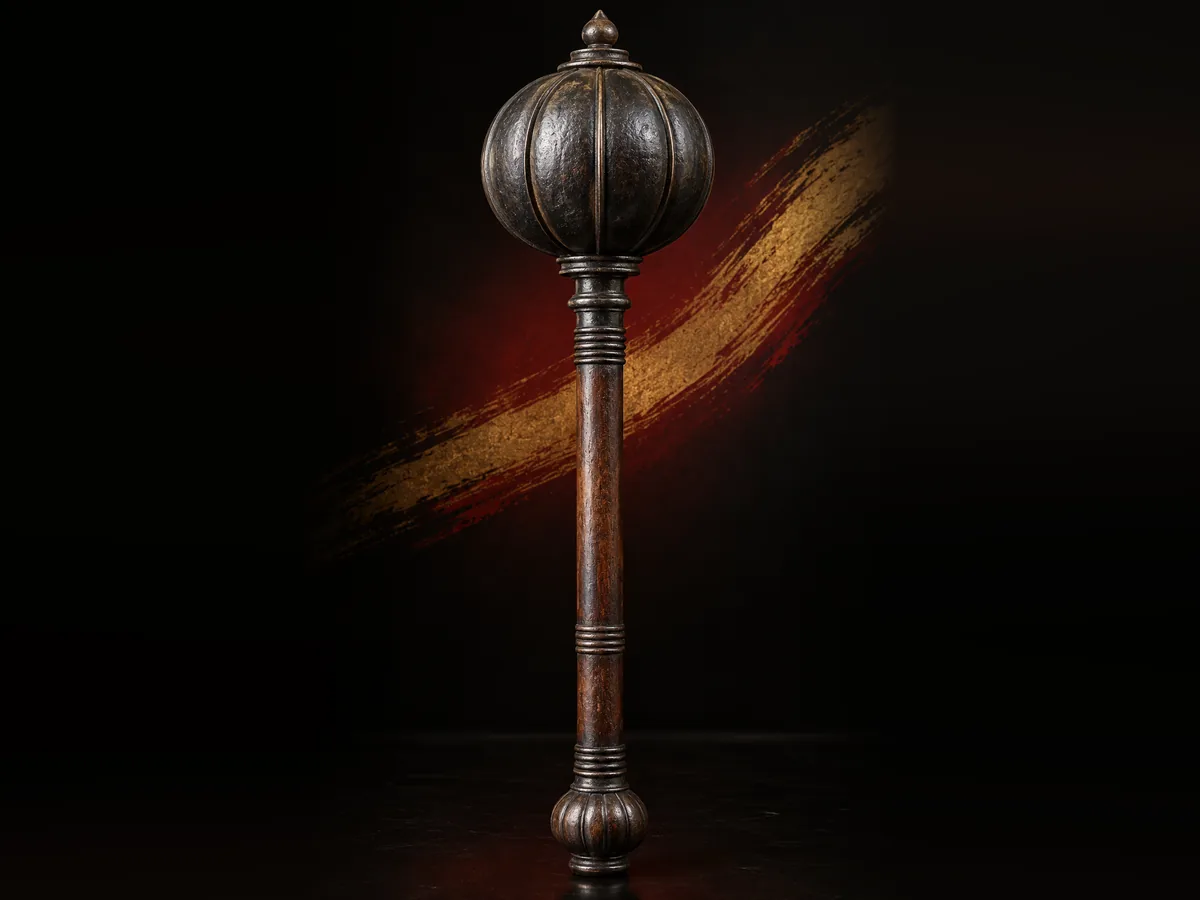
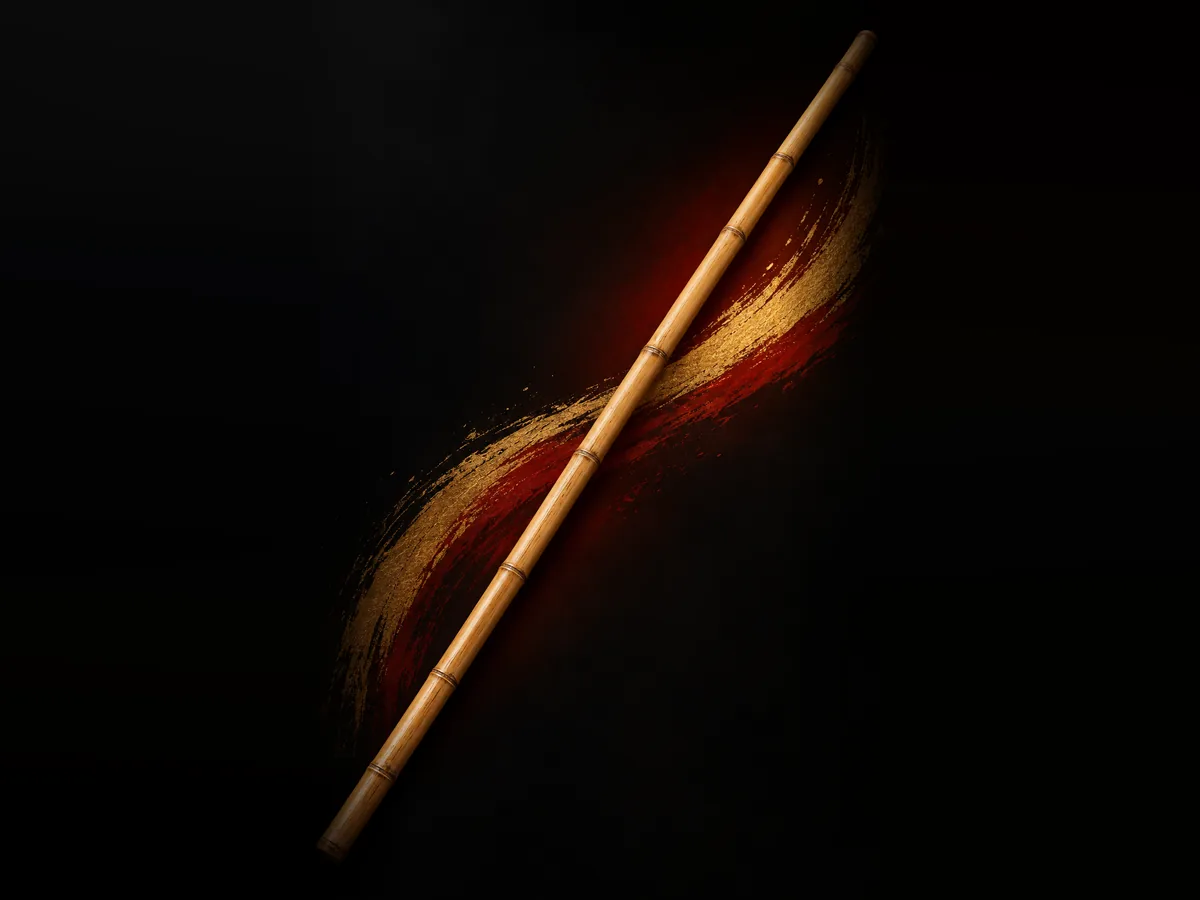
Silambam (bastão)
சிலம்பம்Staffs and sticksIndia
The bamboo staff of Tamil silambam, spun in fast figure-of-eight patterns around the body.
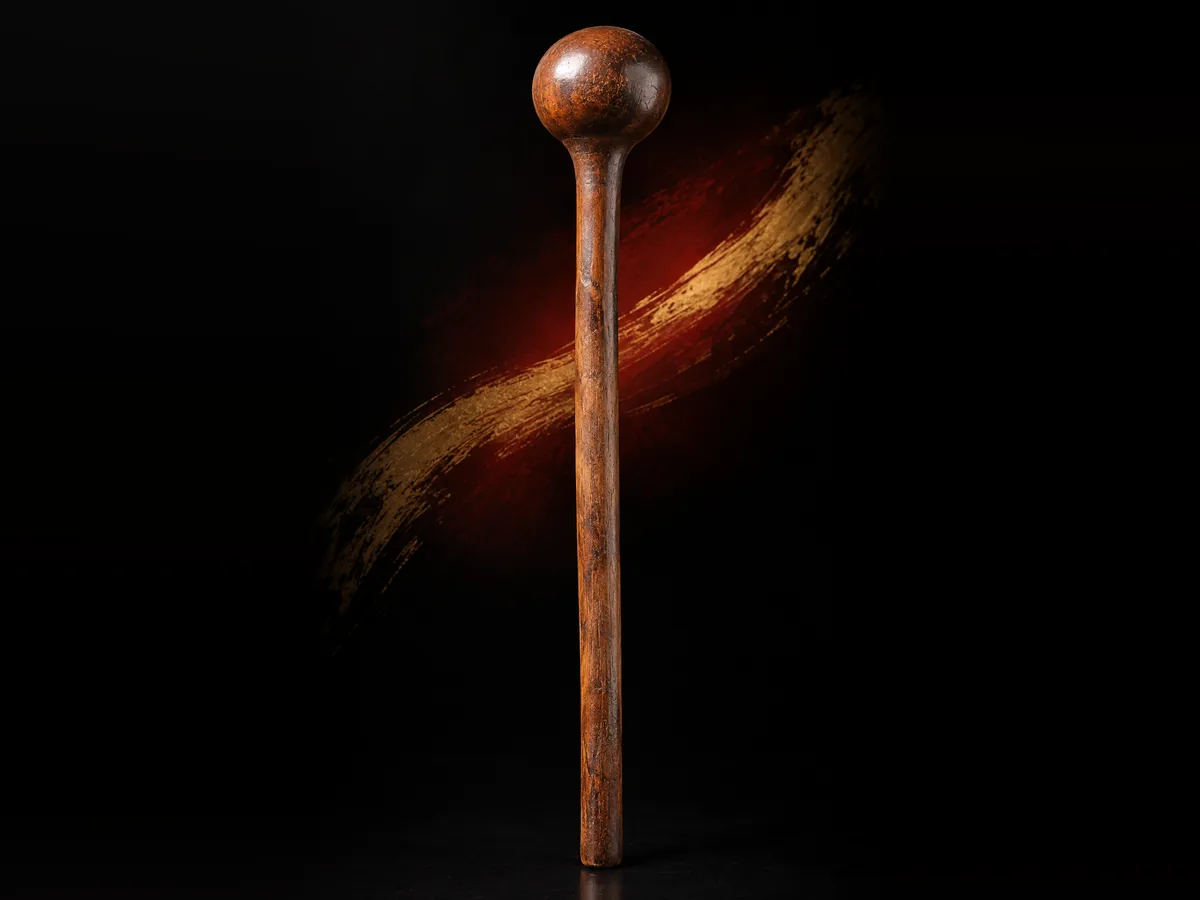
Knobkerrie / induku
iwisaStaffs and sticksAfrica
A short club with a heavy knob, used in southern Africa. In Nguni stick fighting one stick attacks and the other defends.
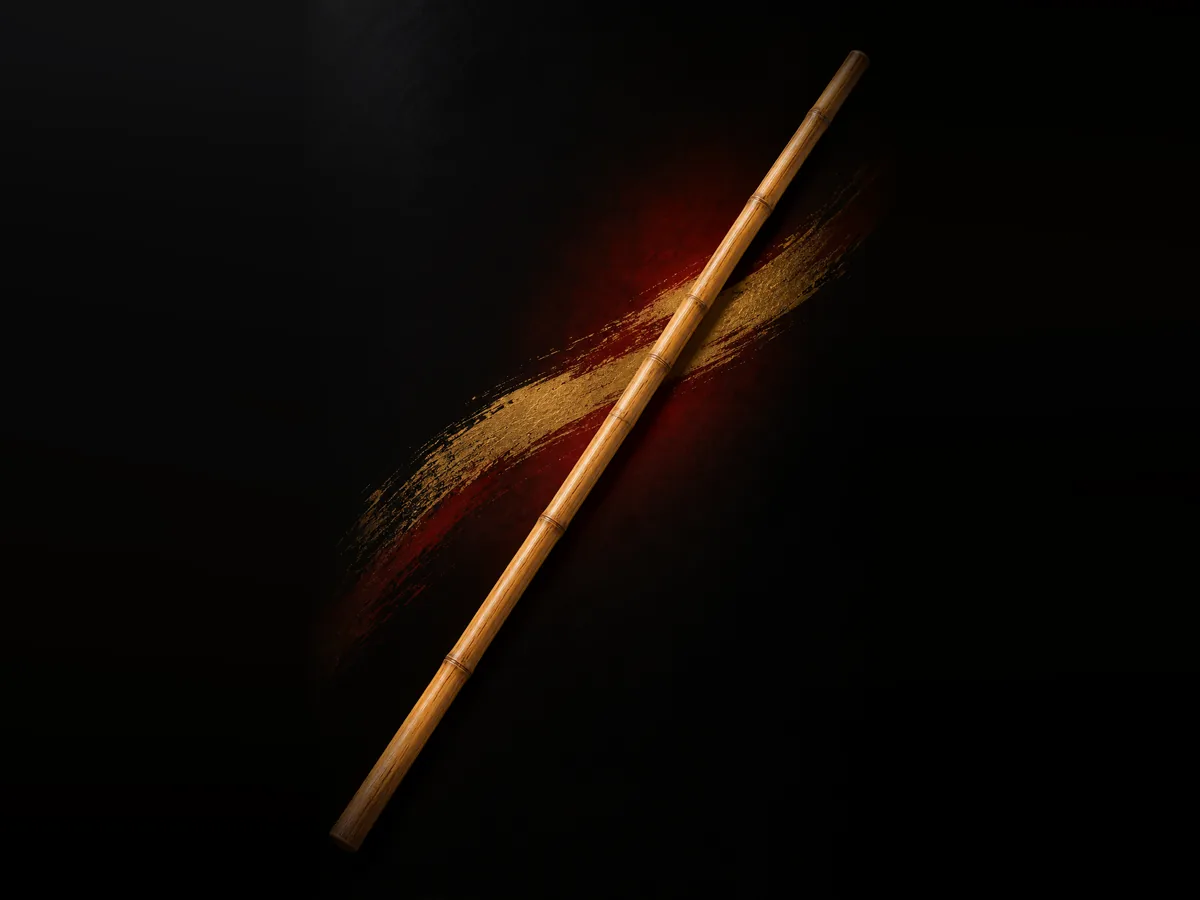
Asa (bastão do tahtib)
عصاStaffs and sticksAfrica
The long stick of Egyptian tahtib, about four feet of rattan or bamboo, used in a fight-dance shown since ancient Egypt.
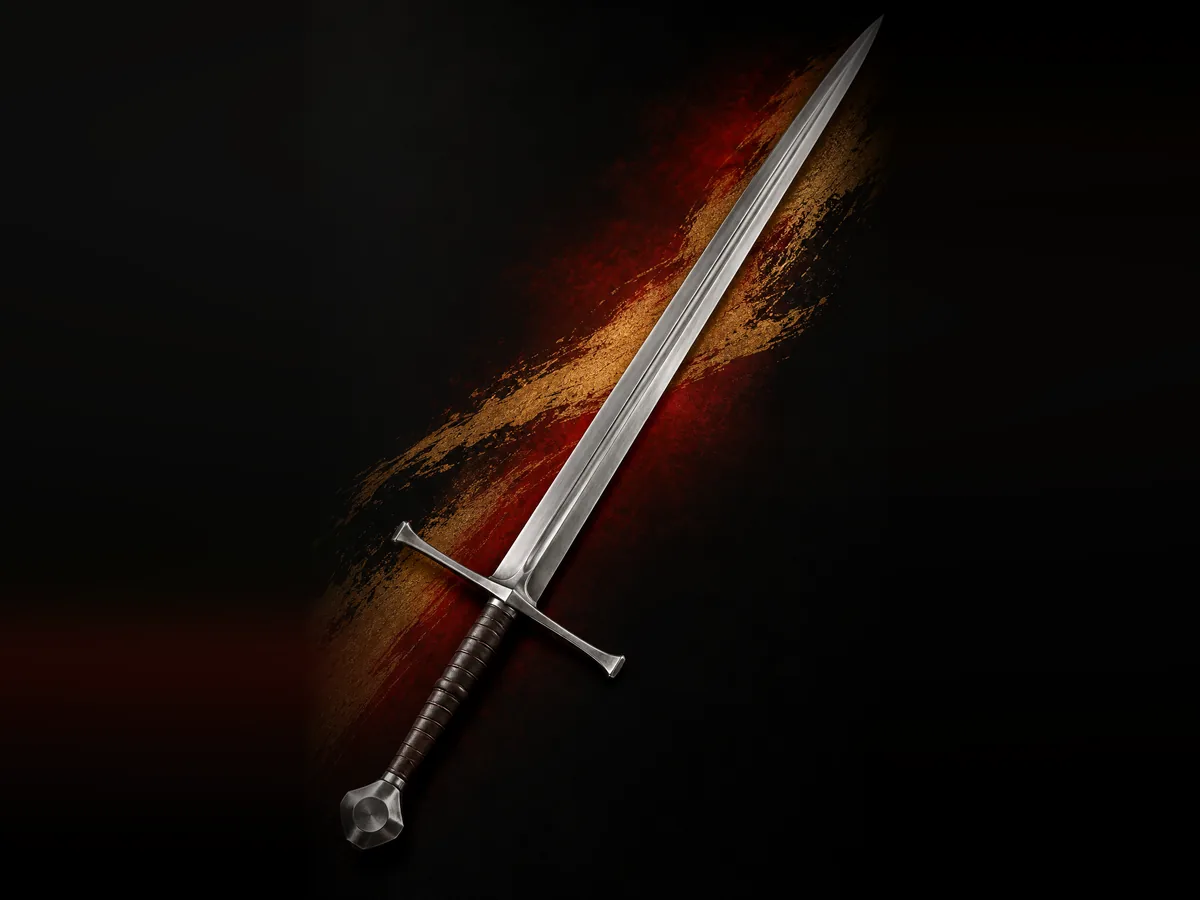
Espada longa
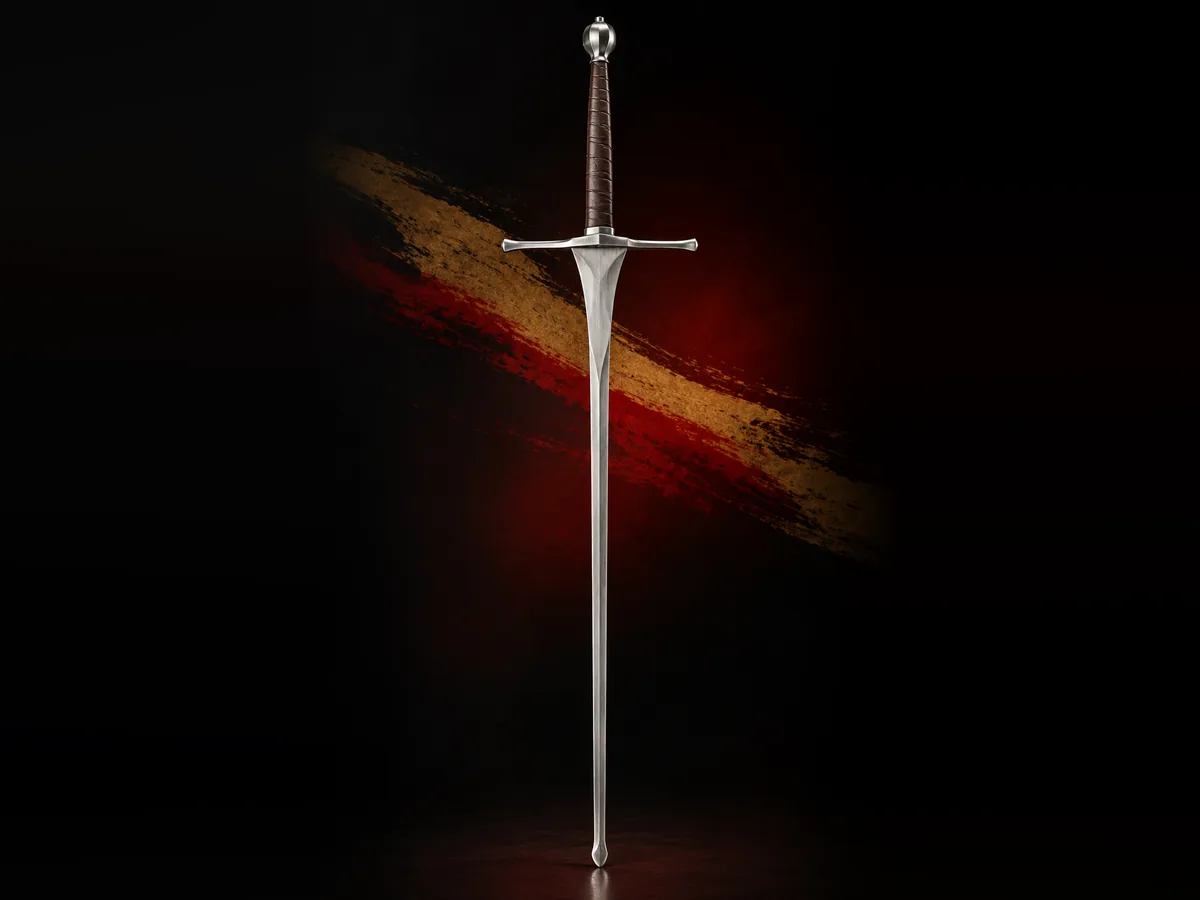
Langes SchwertSwordsEurope
The two-handed sword of late medieval Europe. Liechtenauer's German tradition and Fiore dei Liberi's Italian treatise taught it in detail.
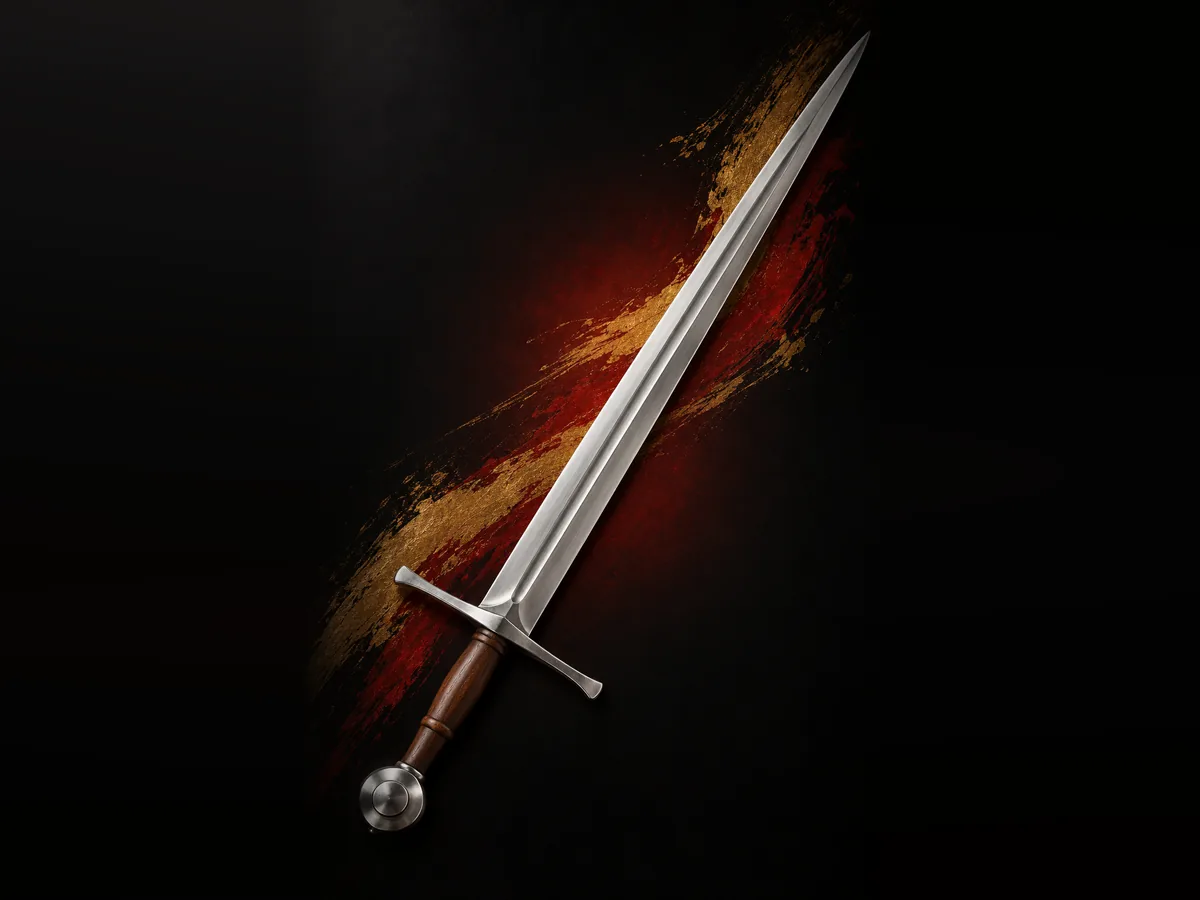
Espada de armas
arming swordSwordsEurope
The one-handed knightly sword, often used with a buckler. The oldest known fencing manual, MS I.33 (around 1300), teaches sword and buckler.
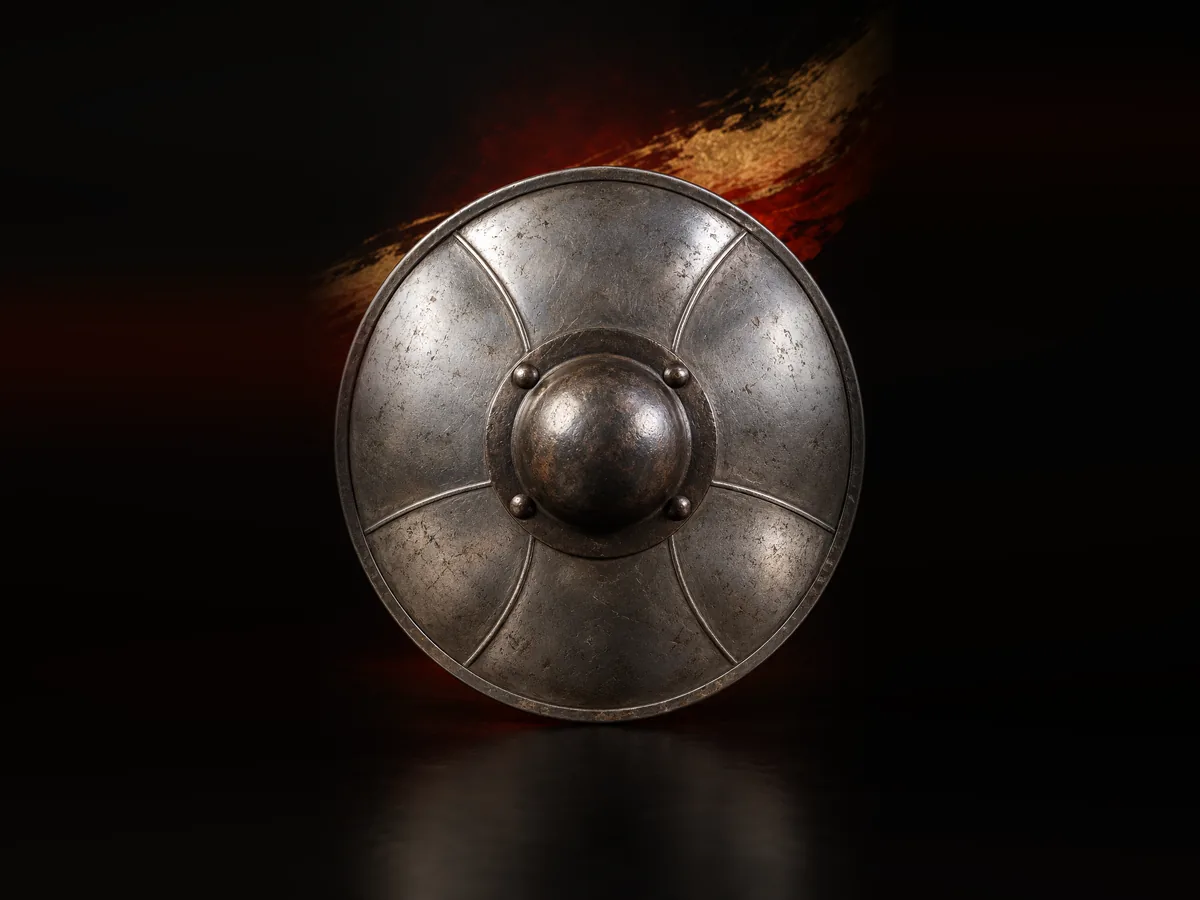
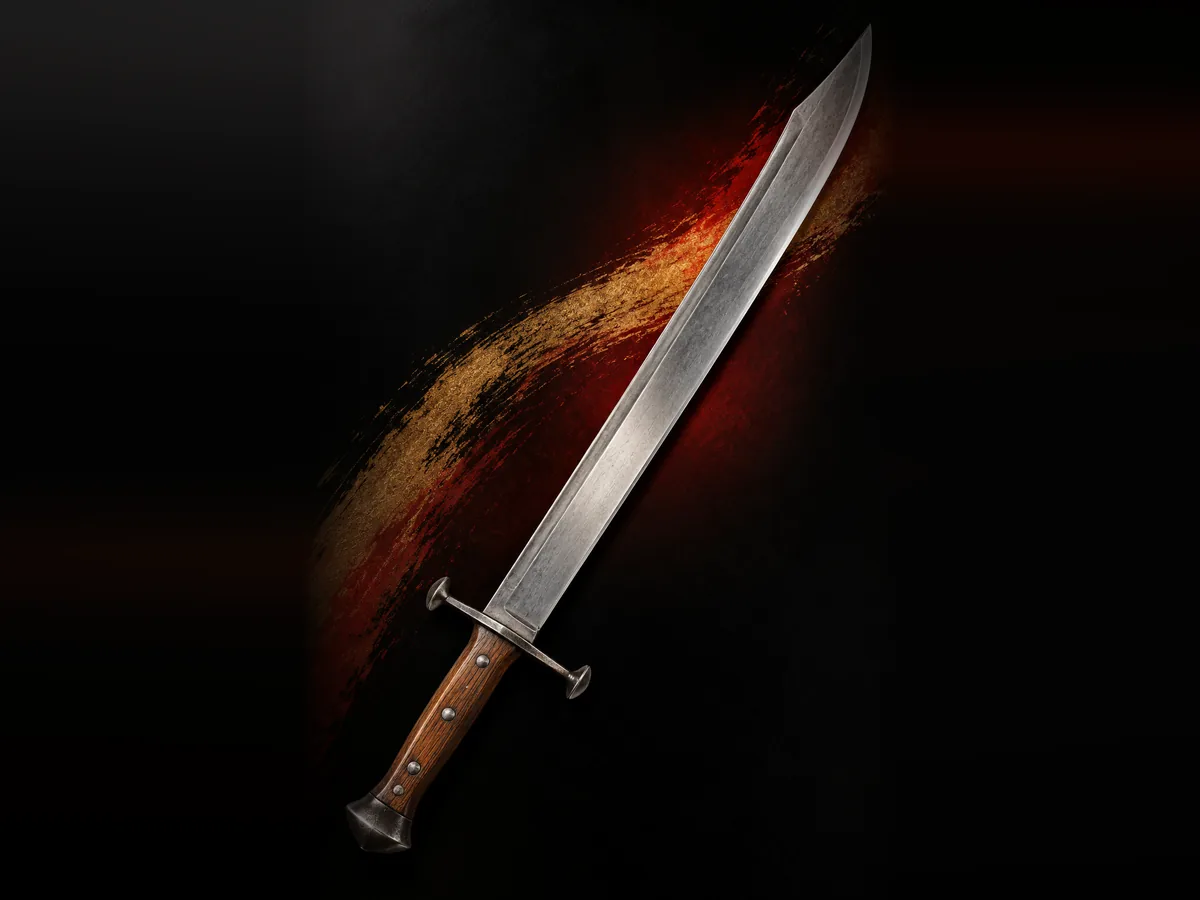
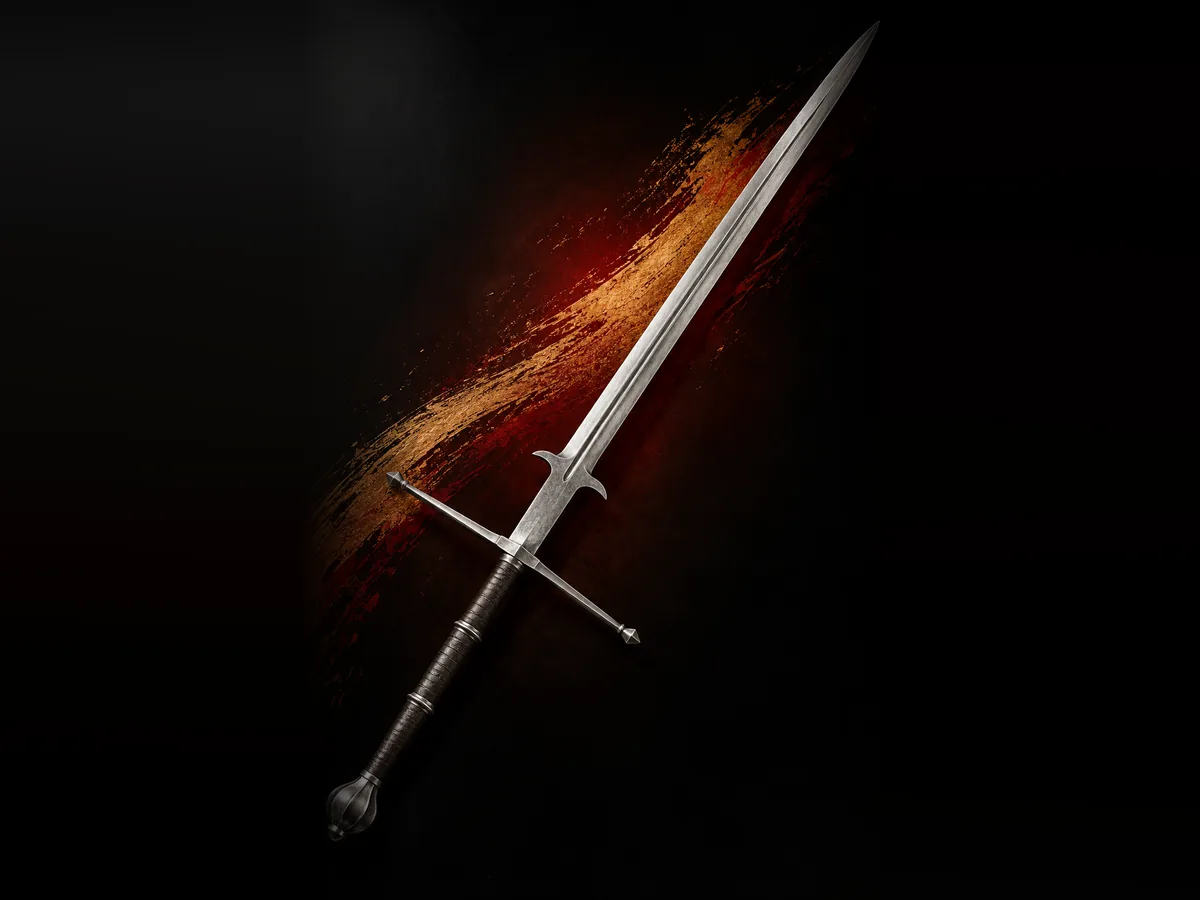
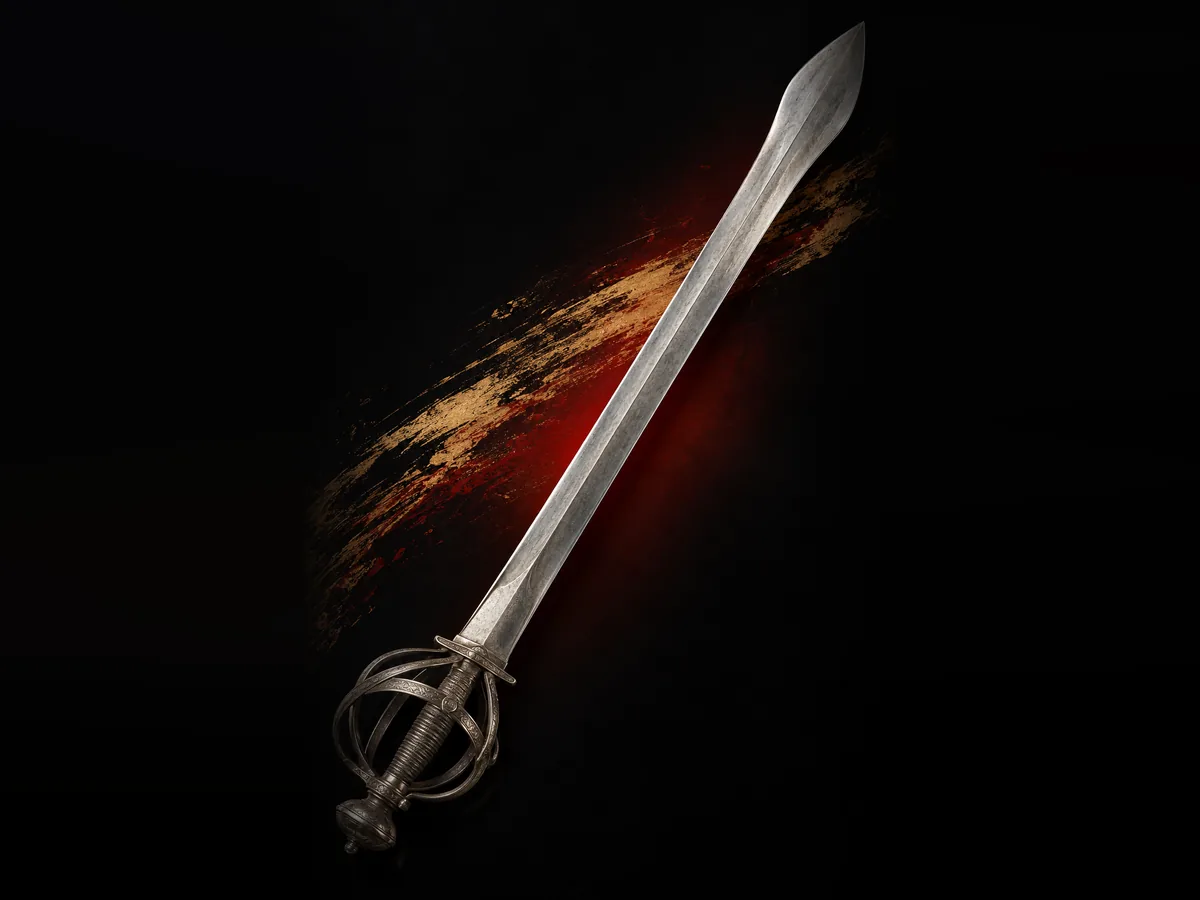
Zweihänder
SwordsEurope
A huge Renaissance two-handed sword, used by Landsknecht mercenaries to break pike formations.
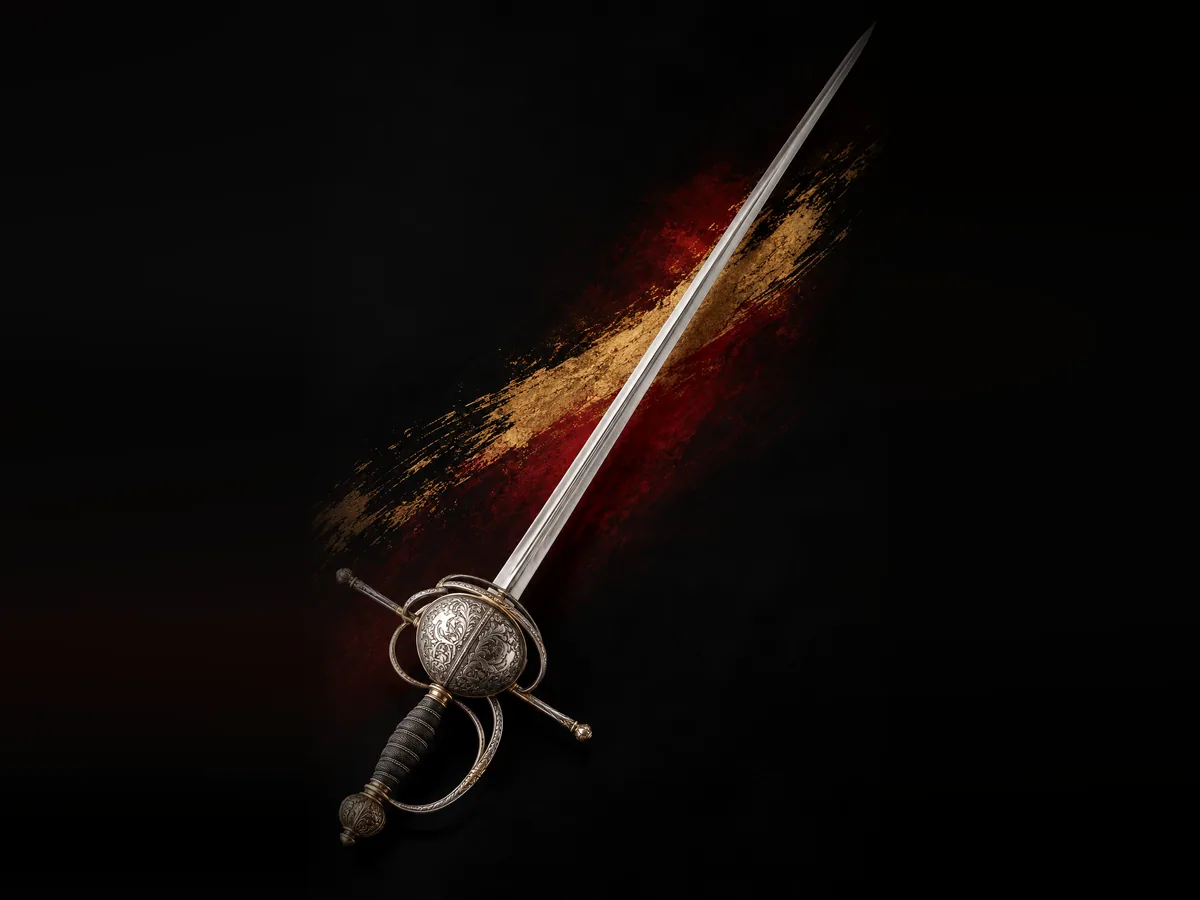
Ropera / rapieira
espada roperaSwordsEurope
A long, slender thrusting sword of the 16th and 17th centuries, the civilian sword of duels. The Spanish "destreza" studied it with geometry.
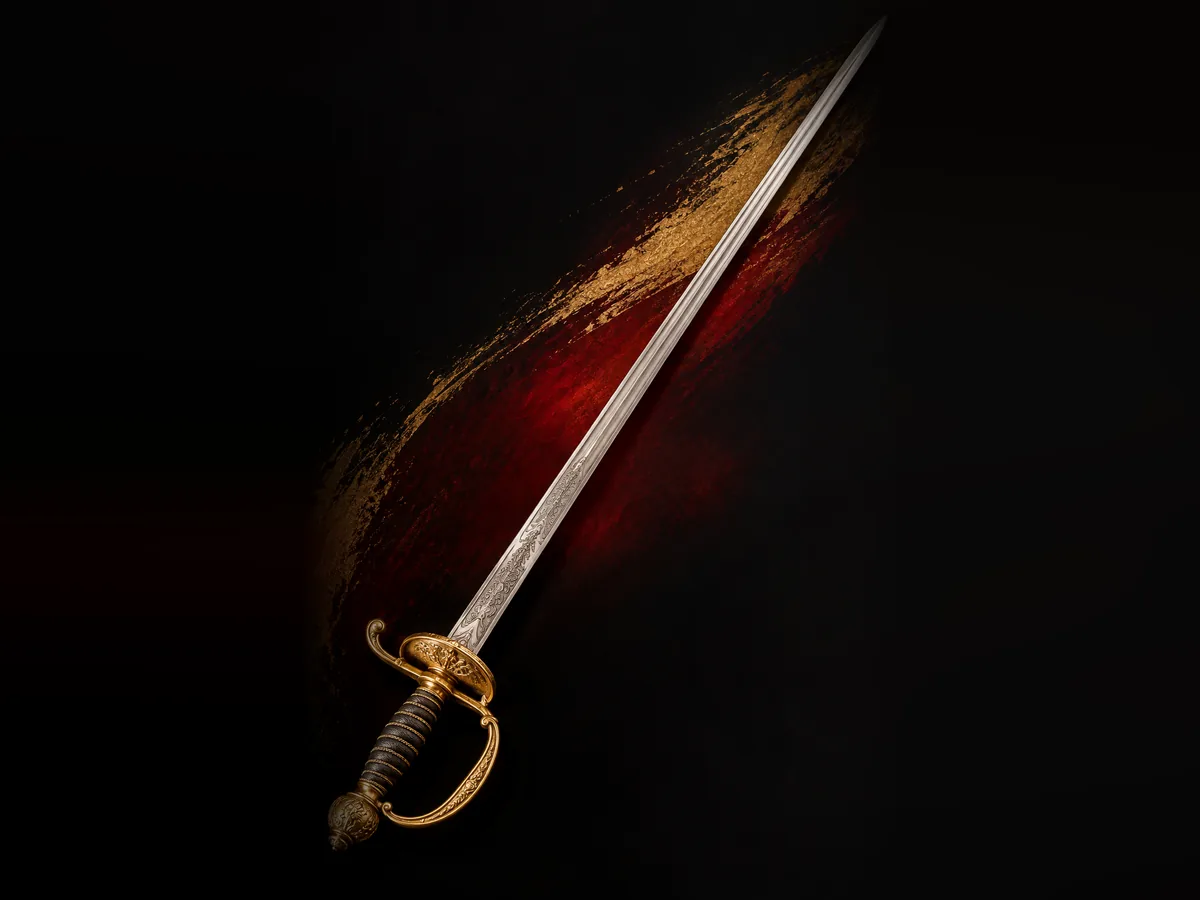
Espadim
épée de courSwordsEurope
The light court sword of the 18th century. Modern fencing, especially the foil, grew from its training.
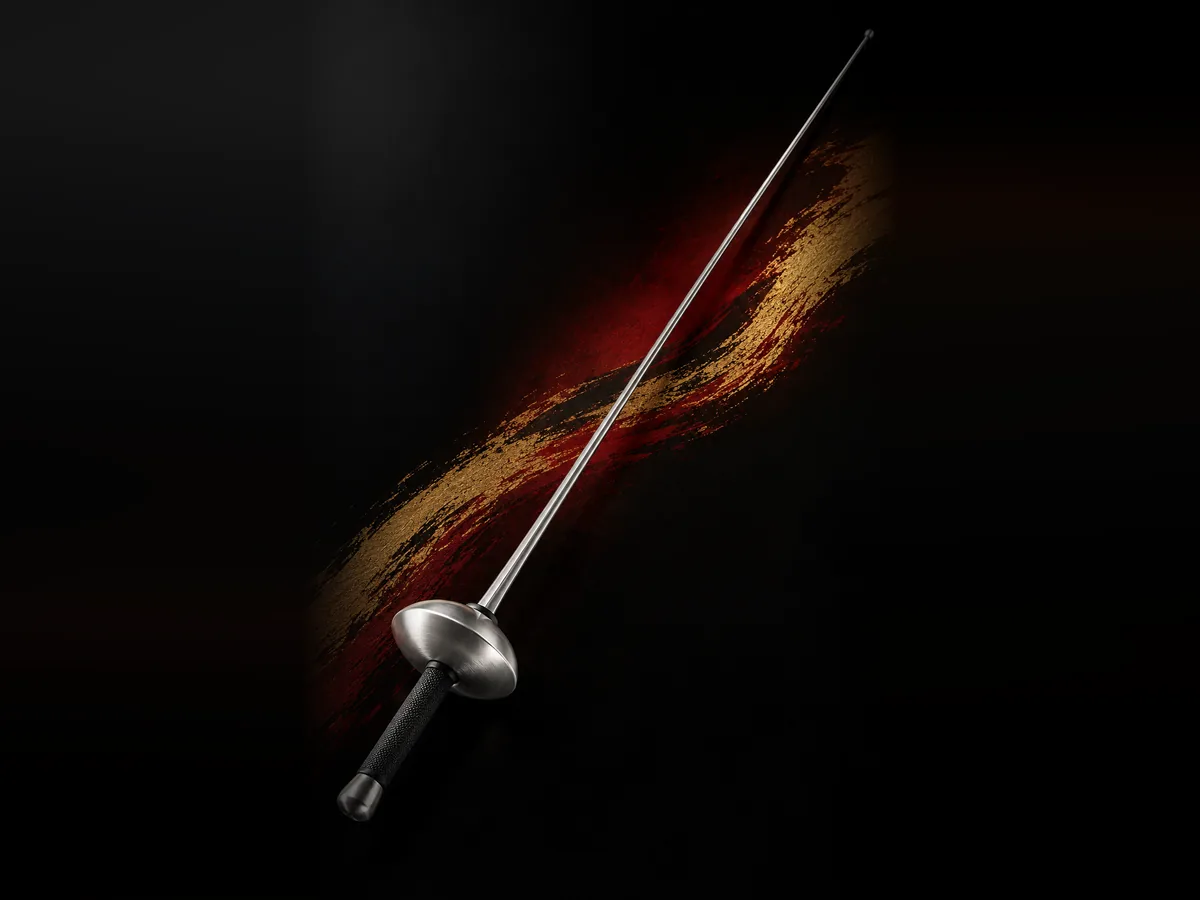
Florete
fleuretSwordsEurope
A light thrusting weapon; touches count only on the torso and the attacker must have "right of way".
Espada (esgrima)
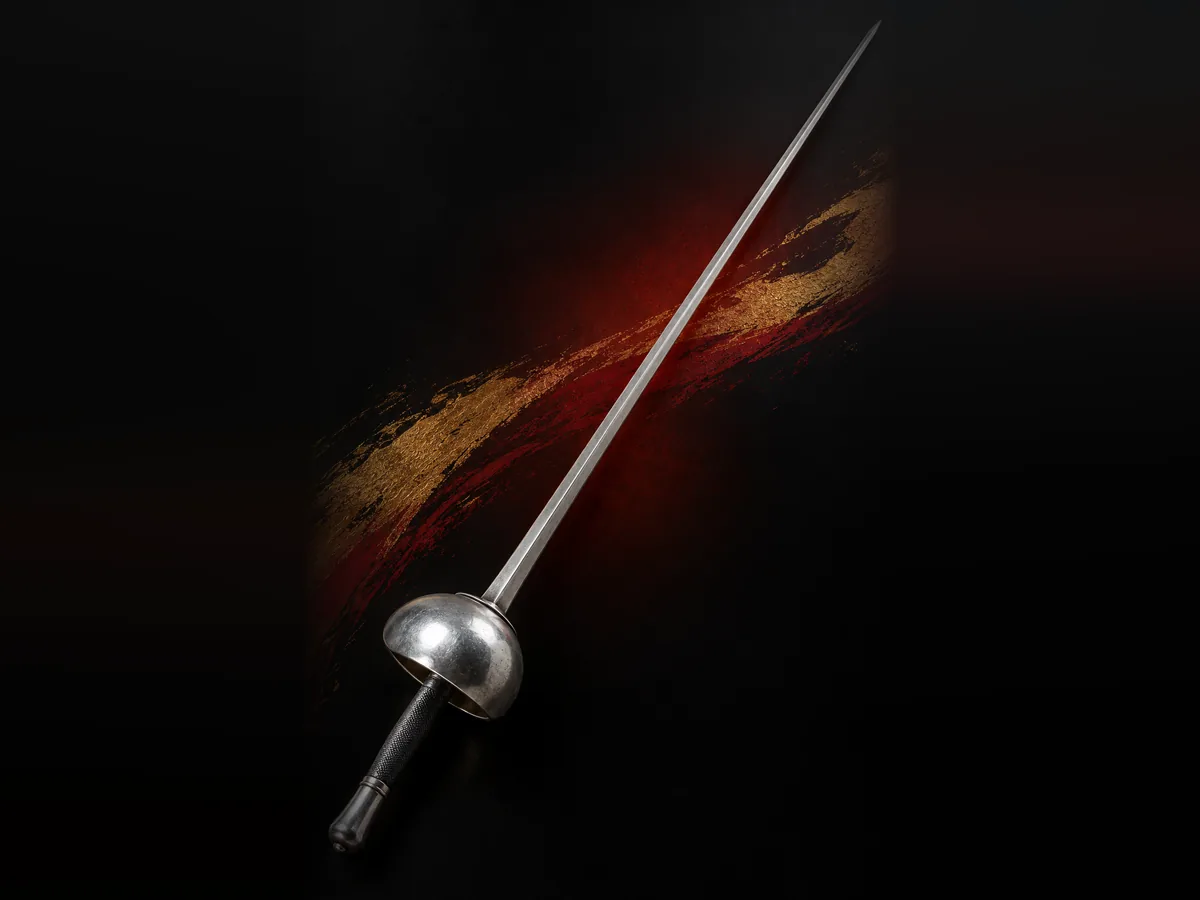
épéeSwordsEurope
The heaviest fencing weapon, from the duelling sword. The whole body is a target and there is no right of way.
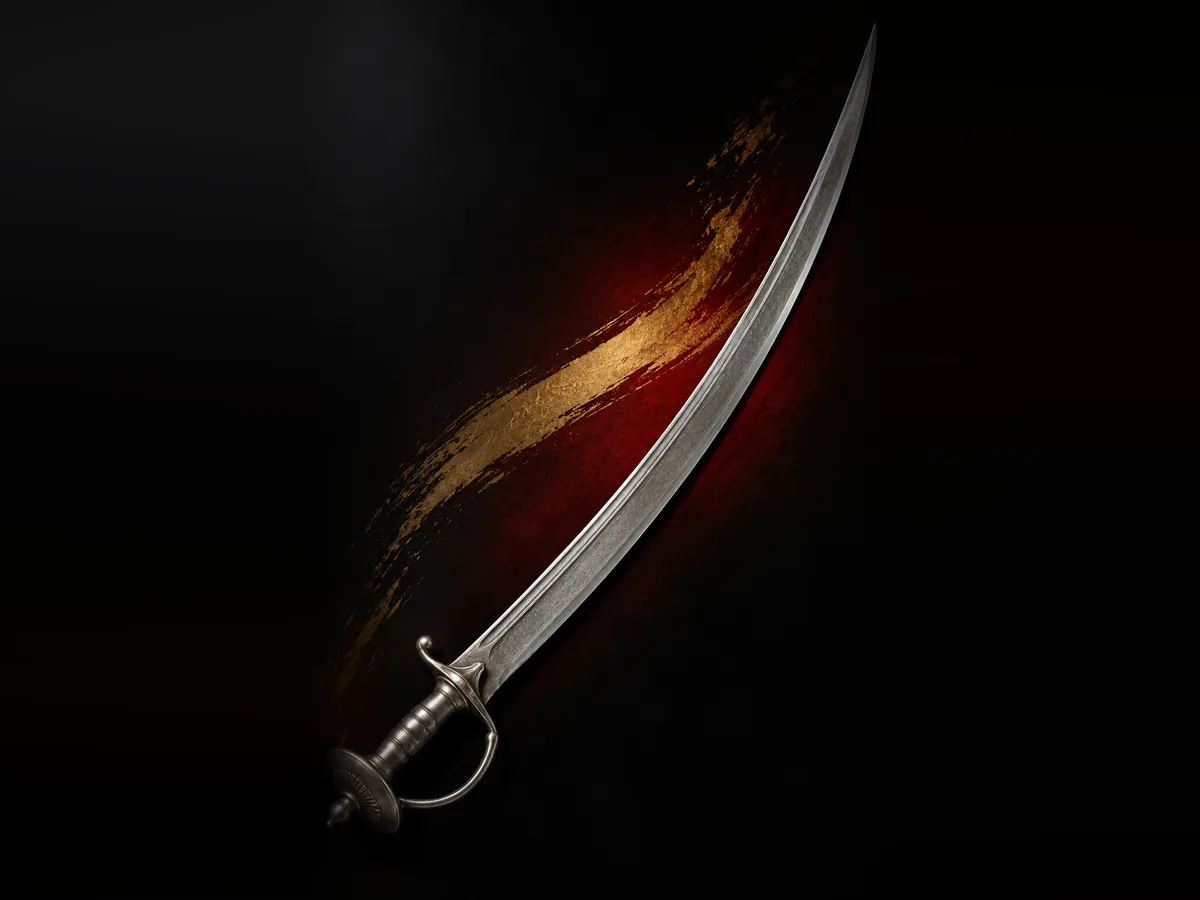
Sabre
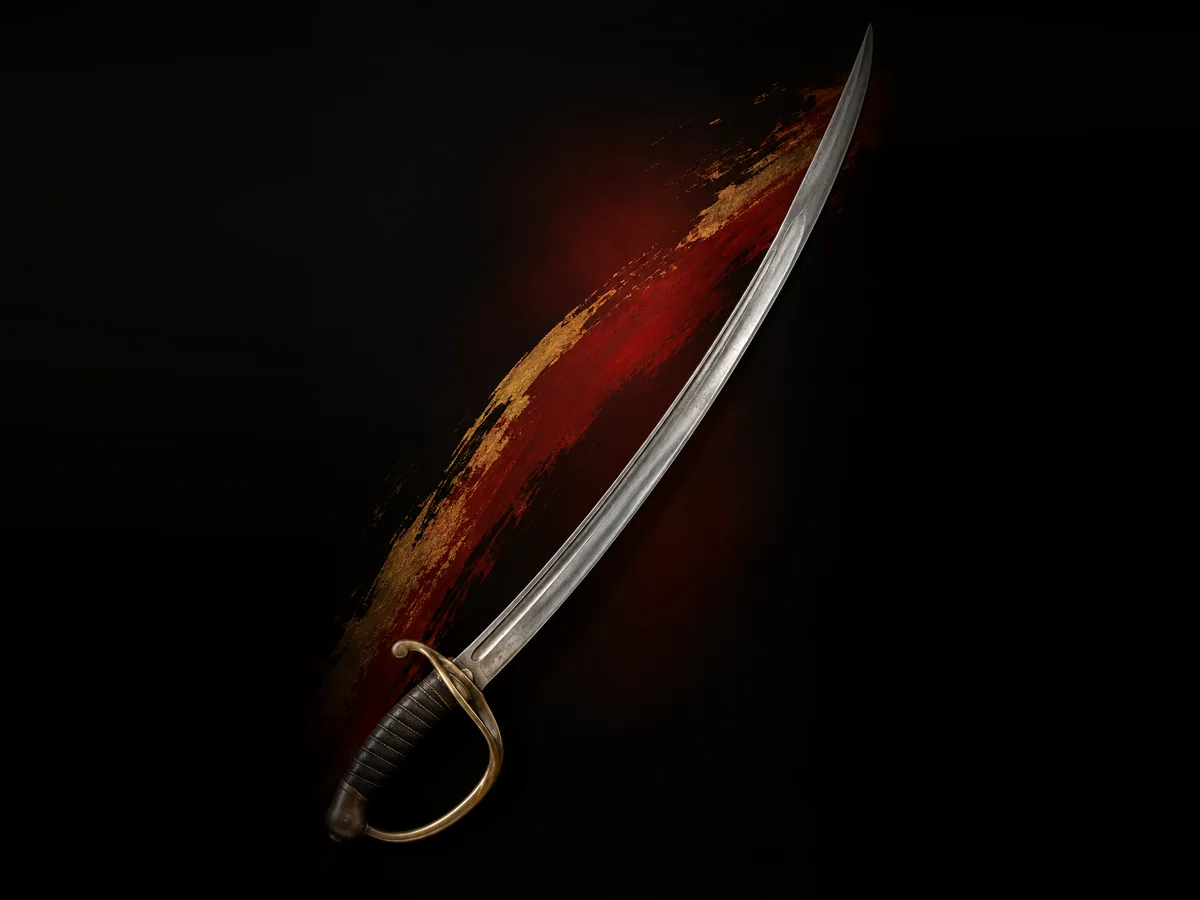
SwordsEurope
A curved cavalry sword. In fencing it scores with the edge and the point, above the waist, and is the fastest weapon.
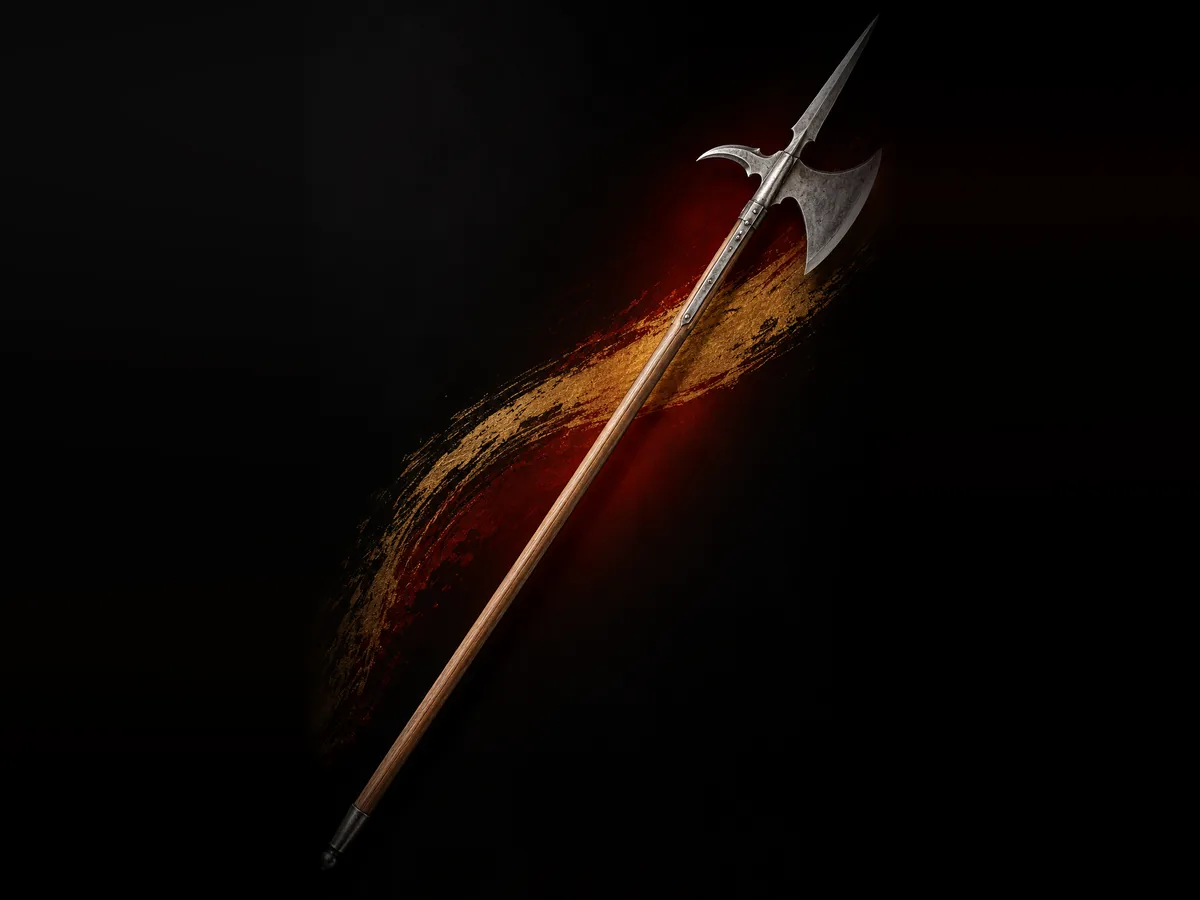
Bastão inglês
quarterstaffStaffs and sticksEurope
The English staff of six to nine feet. George Silver called it one of the best weapons for a single fight.
Varapau
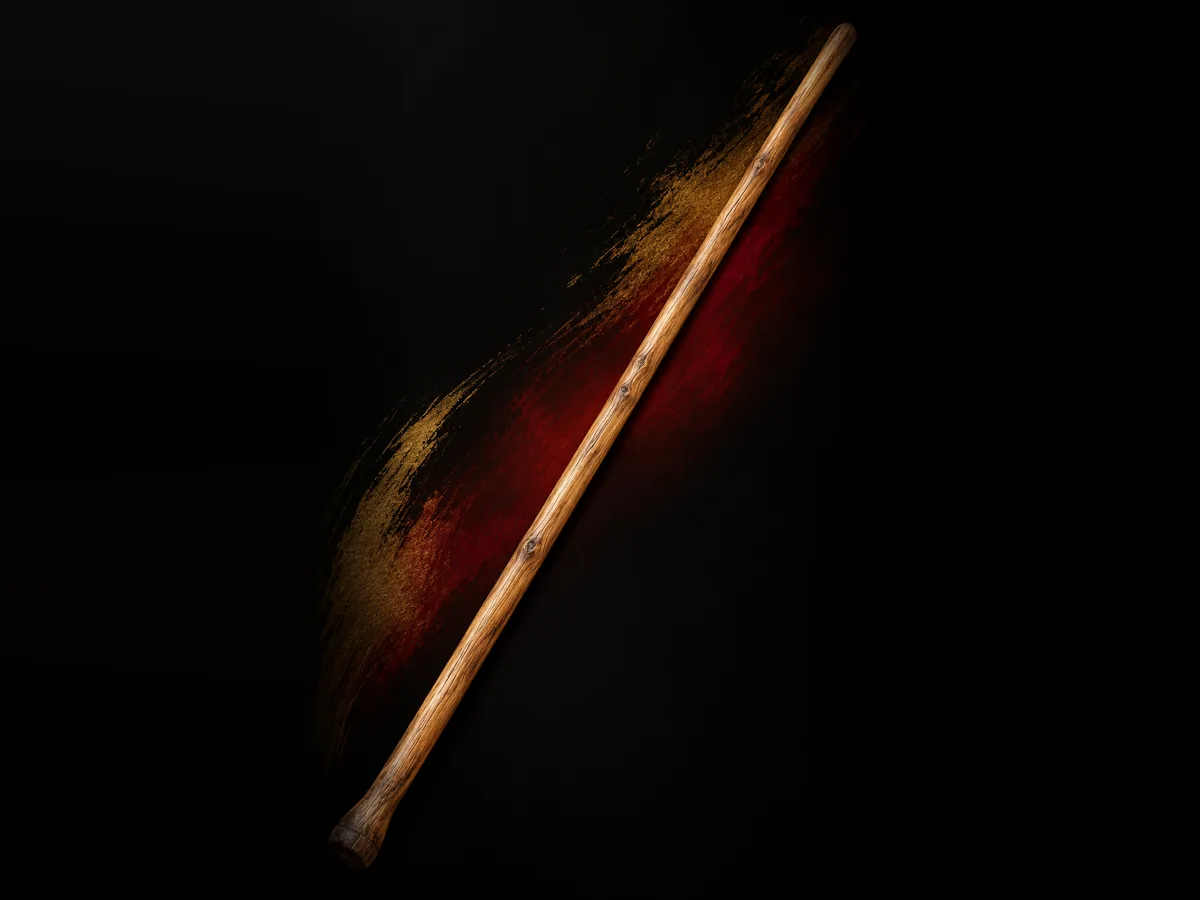
pauStaffs and sticksEurope
The Portuguese fighting stick, about the height of the chin or shoulder, once carried by shepherds and farmers of the north.
Bengala de combate
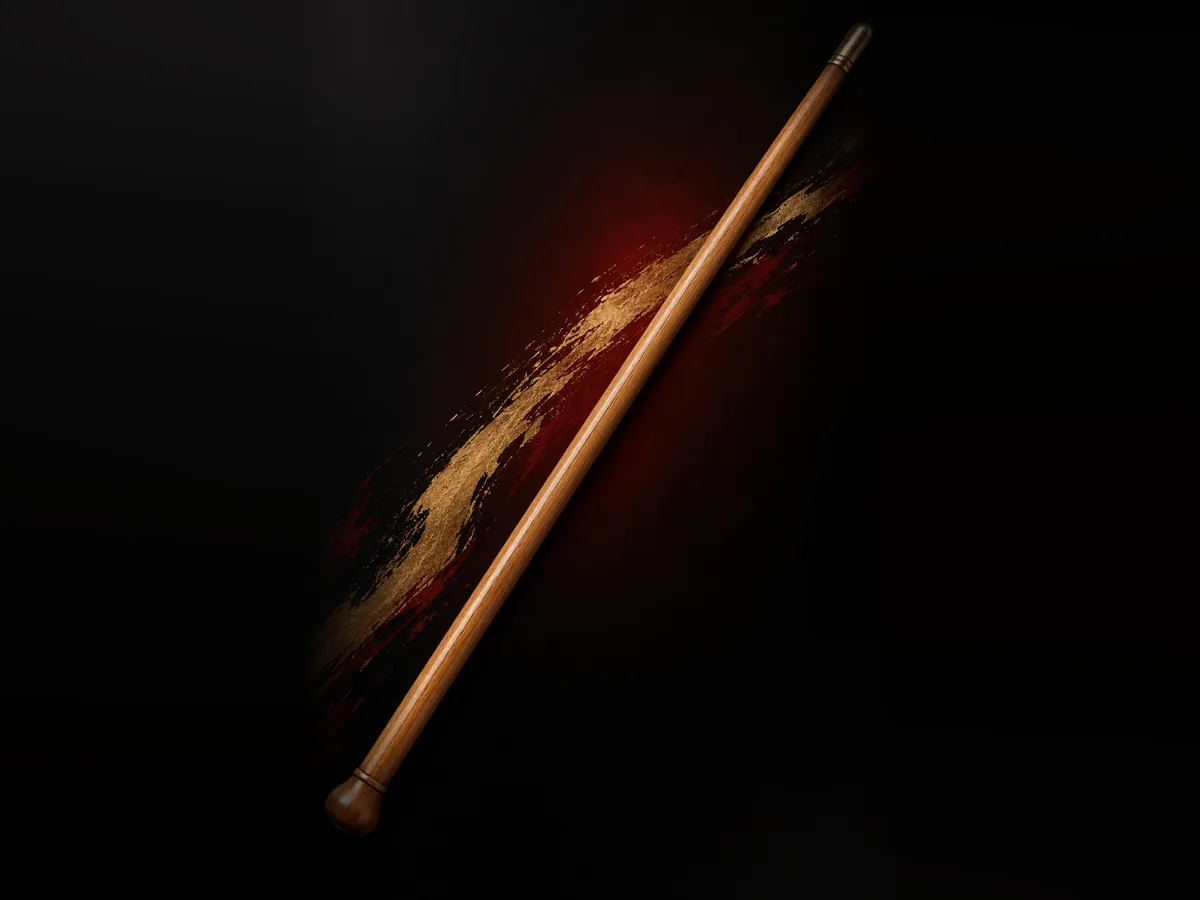
canneStaffs and sticksEurope
A light chestnut walking stick, 95 cm long. French canne de combat and Edwardian bartitsu turned the gentleman's cane into a self-defence weapon.
Gládio
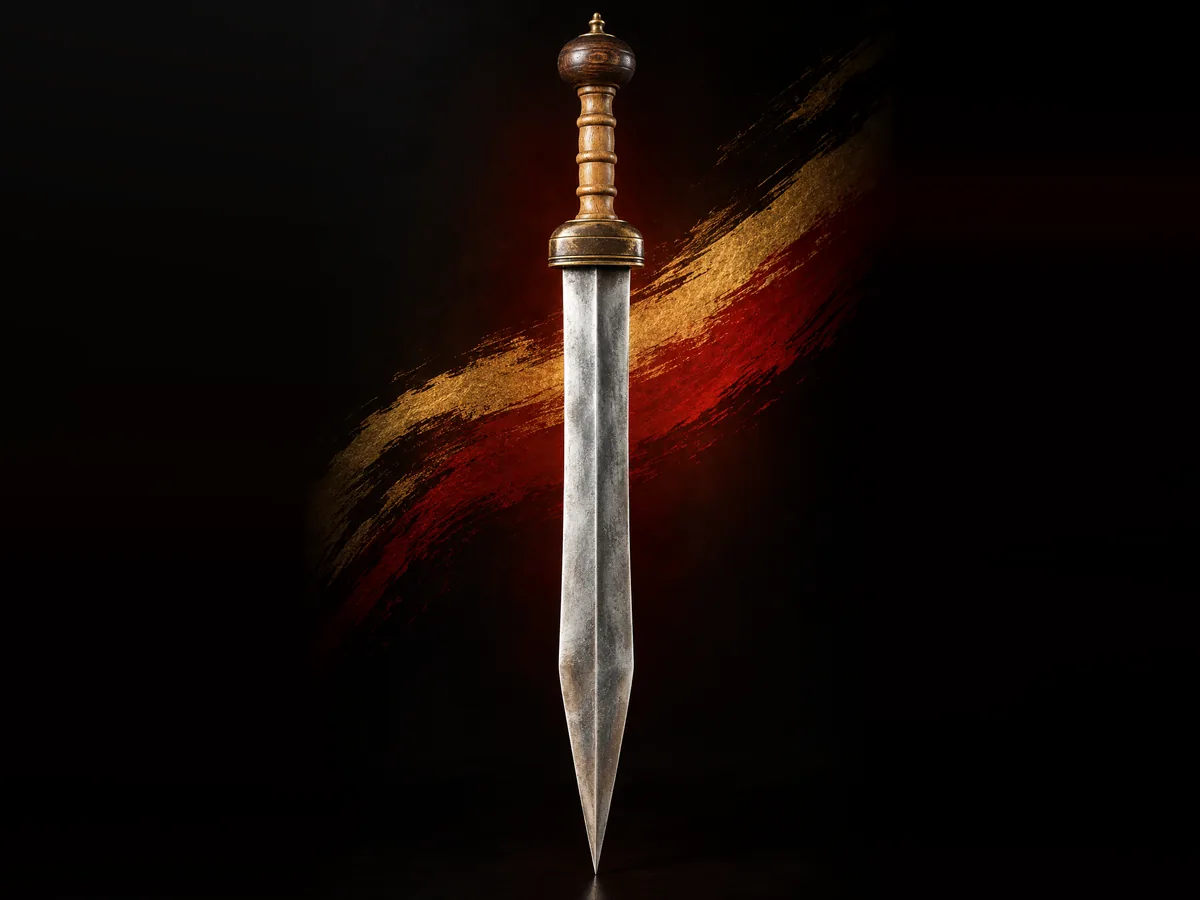
gladiusSwordsEurope
The short Roman sword, used for thrusting in tight formation. Gladiators took their name from it.
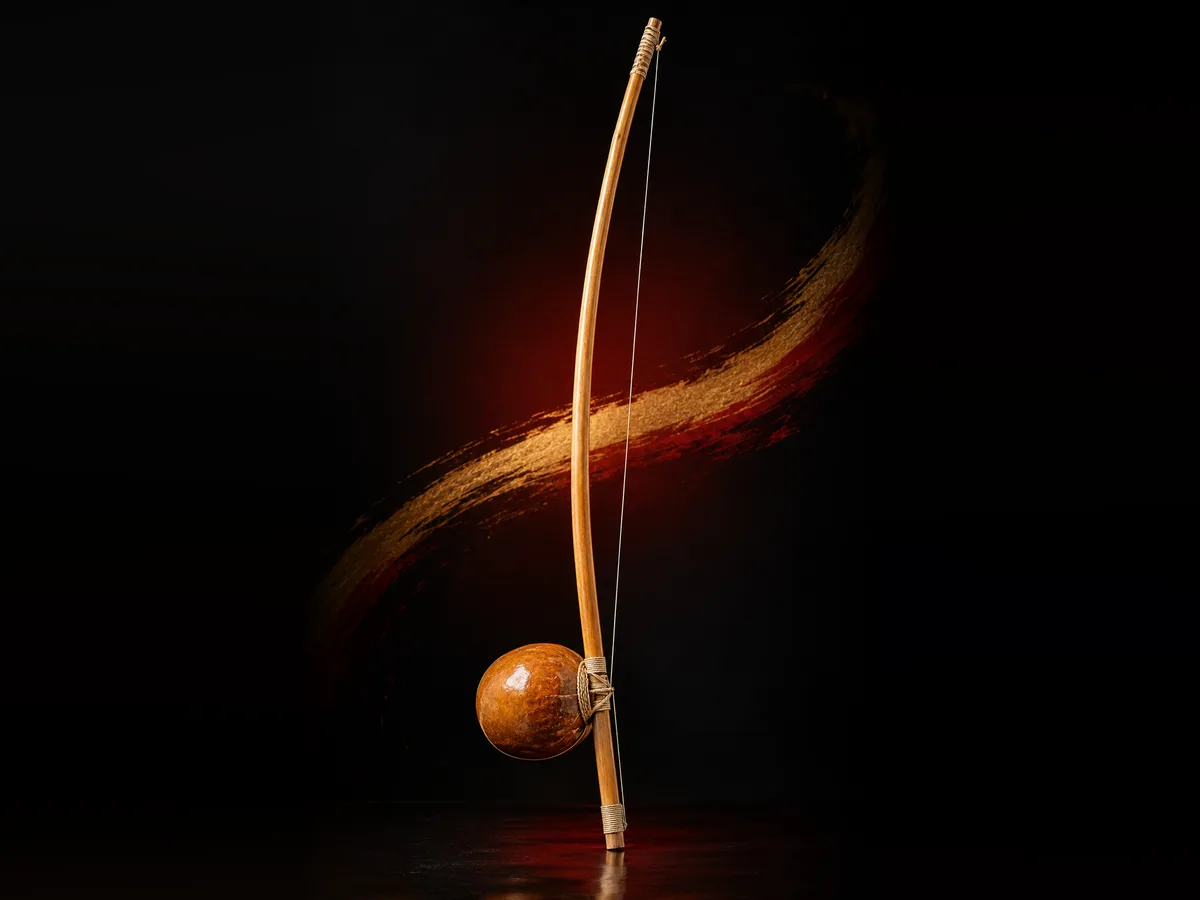
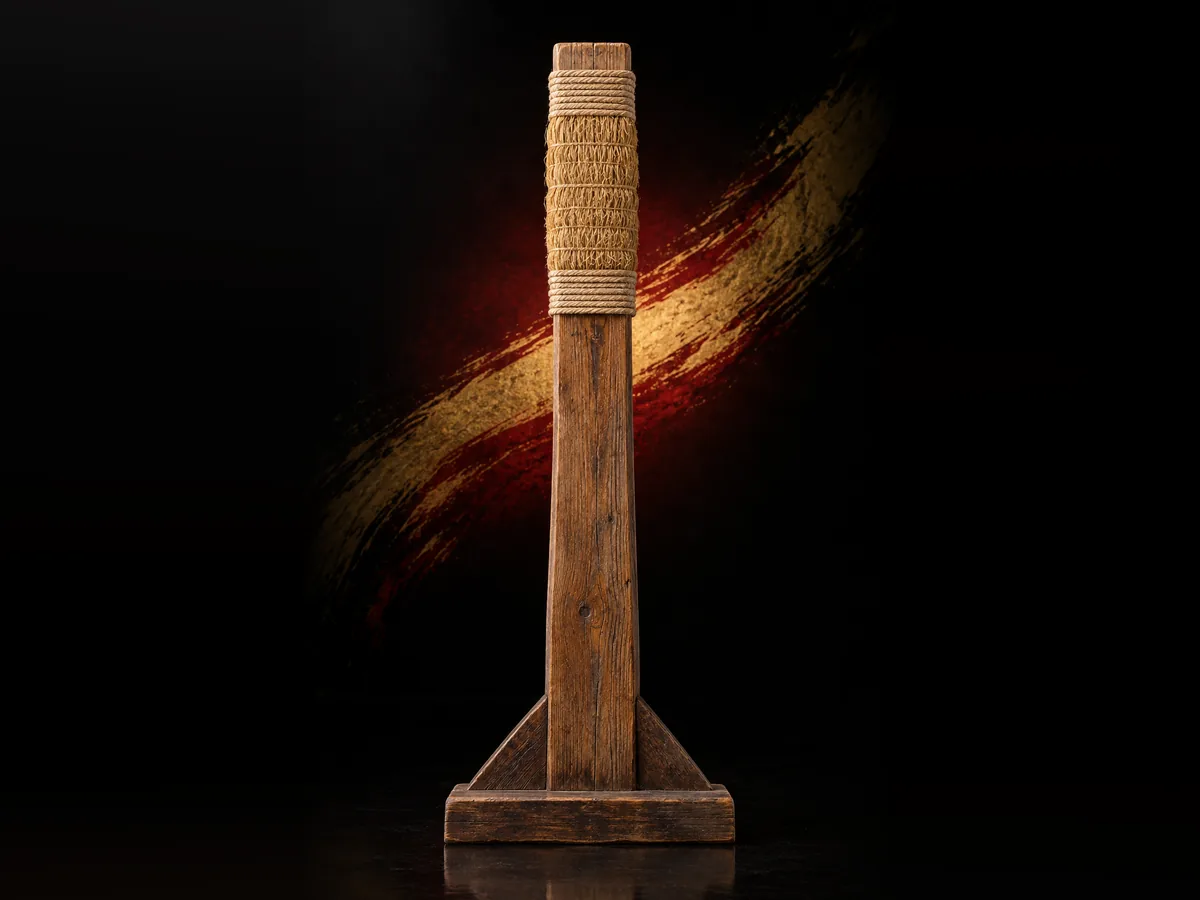
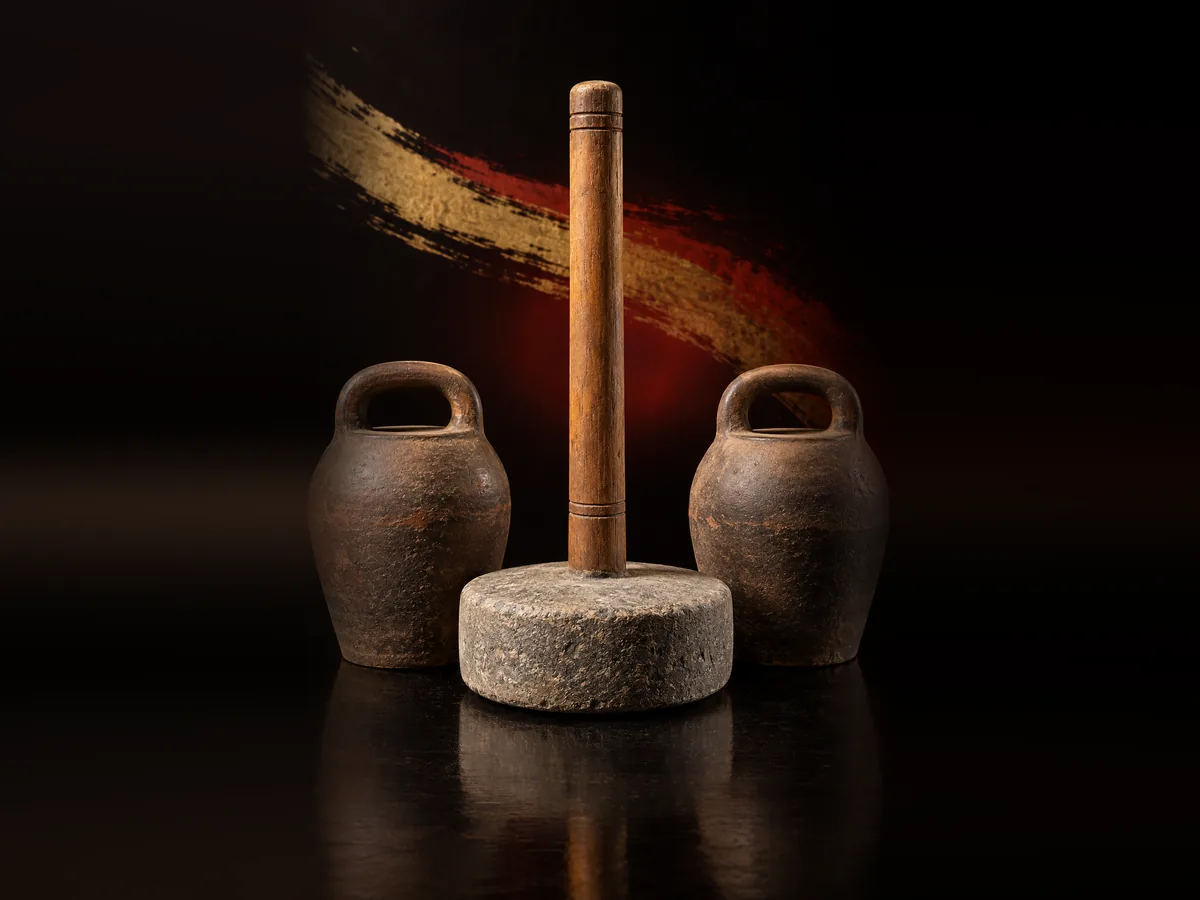
Chi ishi e nigiri game
補助運動Training toolsOkinawa
Okinawan hojo undo tools: stone levers (chi ishi) and gripping jars (nigiri game) to strengthen the body for karate.
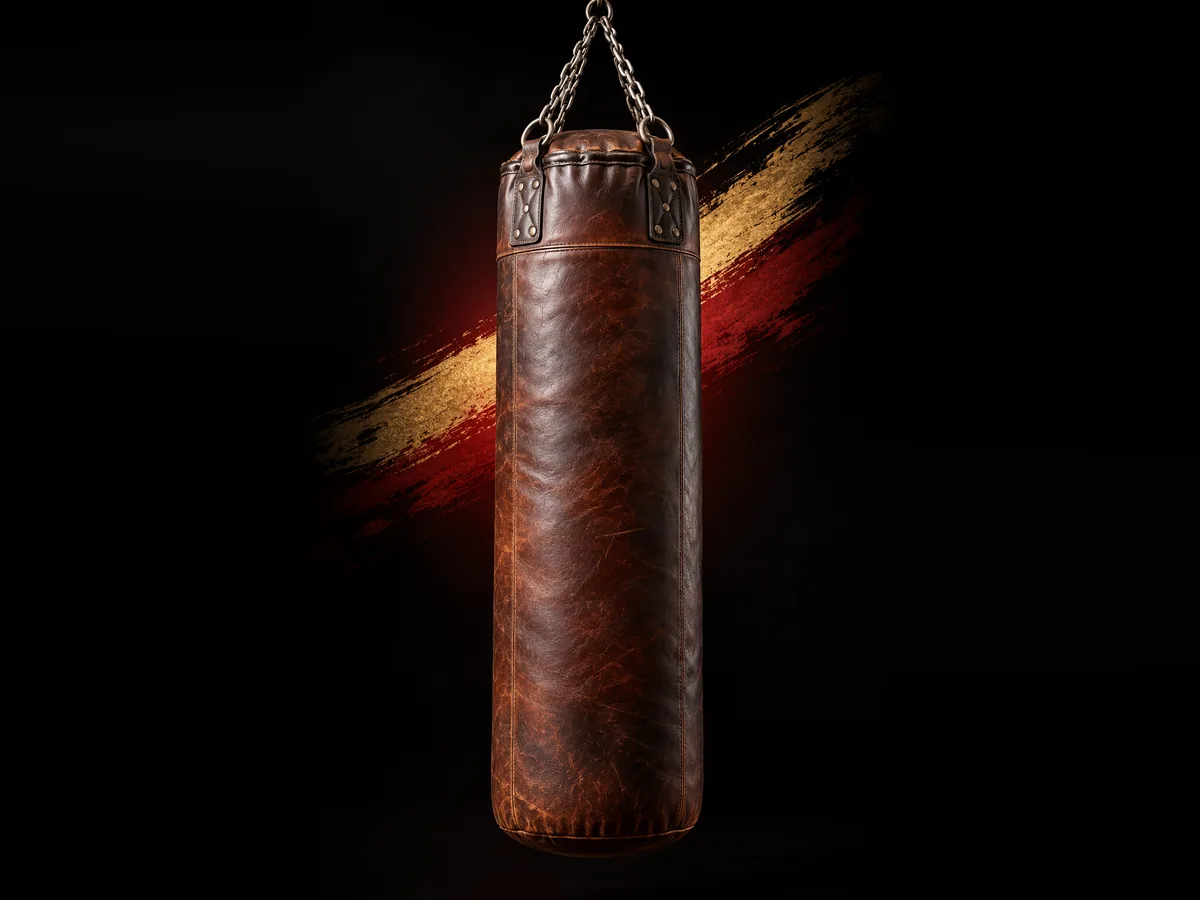
Saco de boxe
heavy bagTraining toolsEurope
The heavy bag trains power and combinations. Thai bags are longer, to kick and knee.
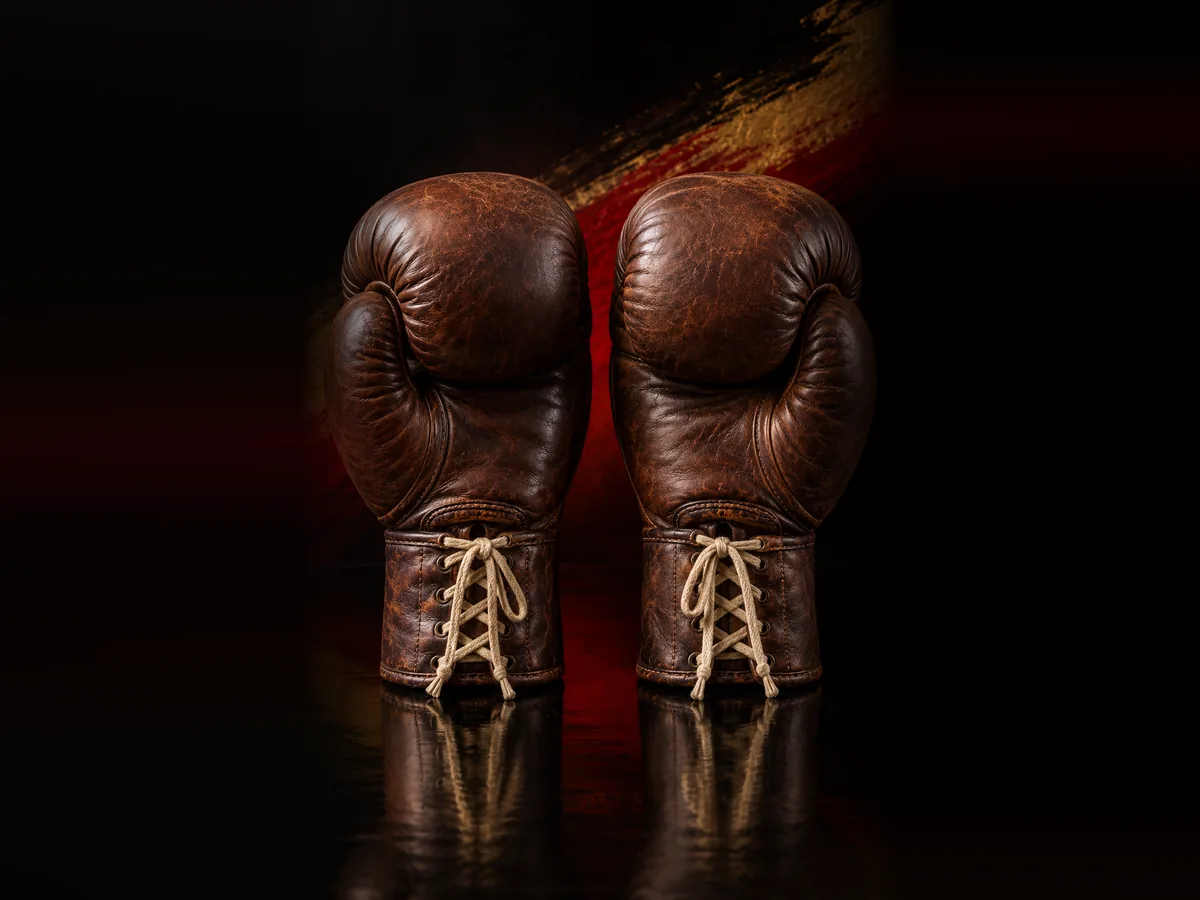
Luvas de boxe
glovesShields and protectionEurope
Padded gloves made compulsory by the Queensberry Rules of 1867. They protect the hand more than the head.
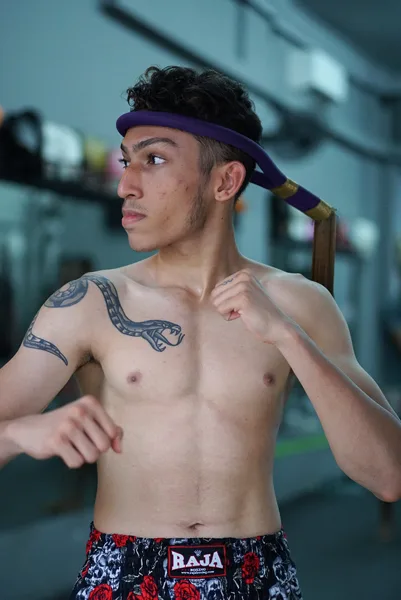
Mongkhon e prajioud
มงคลUniforms and traditionSoutheast Asia
The sacred headband (mongkhon) and armbands (prajioud) of Thai boxers, blessed by the teacher and worn during the wai khru ritual.
Photo: B20180 · CC BY-SA 4.0 · Wikimedia Commons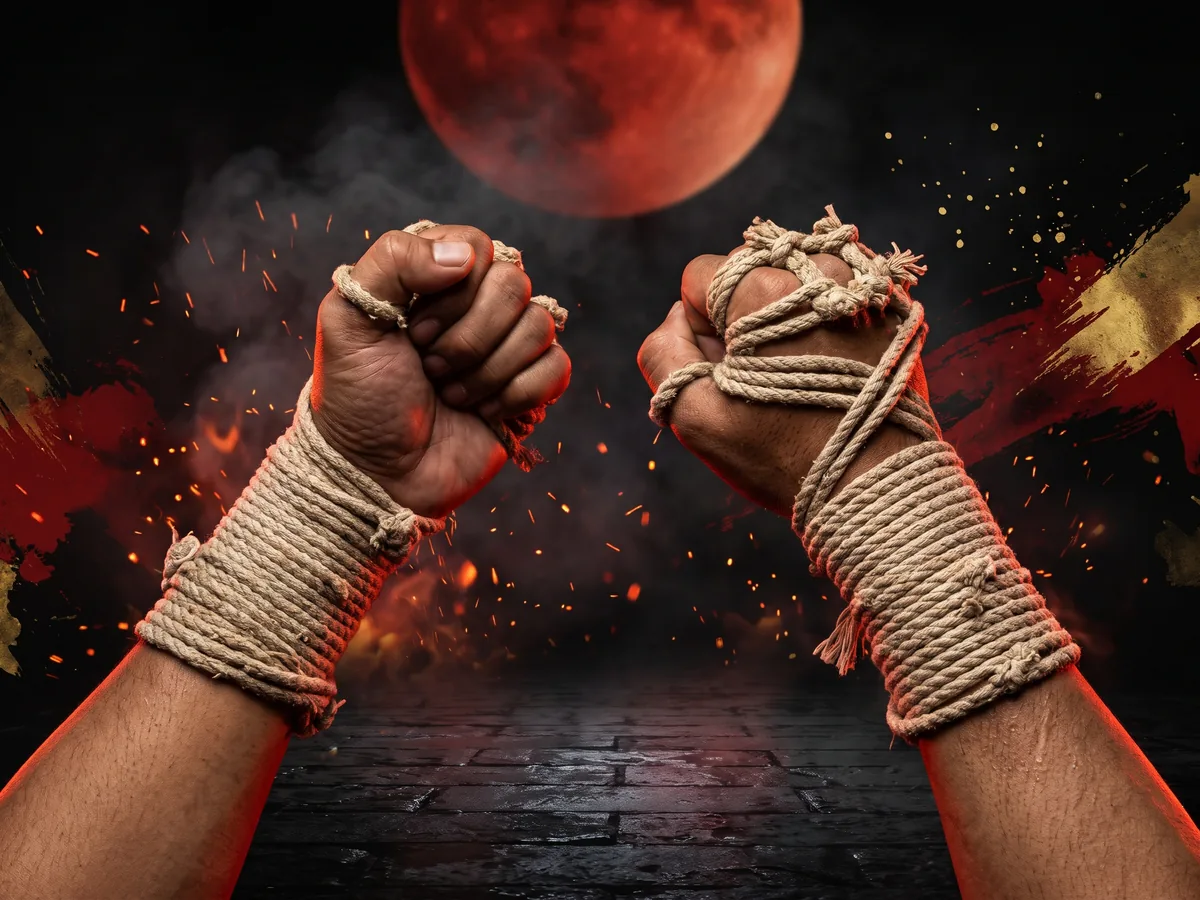
Kard chuek
คาดเชือกUniforms and traditionSoutheast Asia
Hemp rope wrapped around the hands of old Thai boxers, before gloves arrived in the 1920s and 1930s.
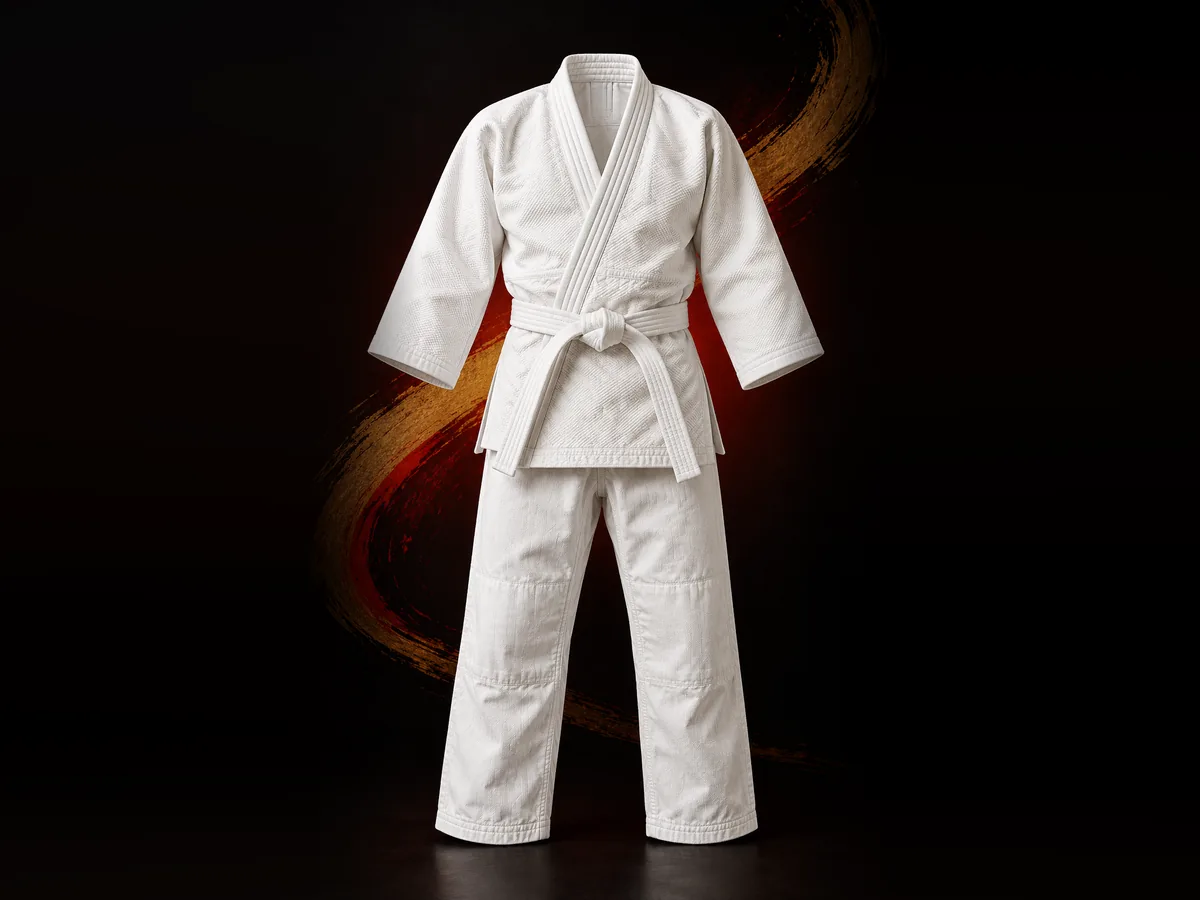
Keikogi (gi)
稽古着Uniforms and traditionJapan
The training uniform. Jigoro Kano created the judogi in the 1900s; Gichin Funakoshi adapted it for karate.
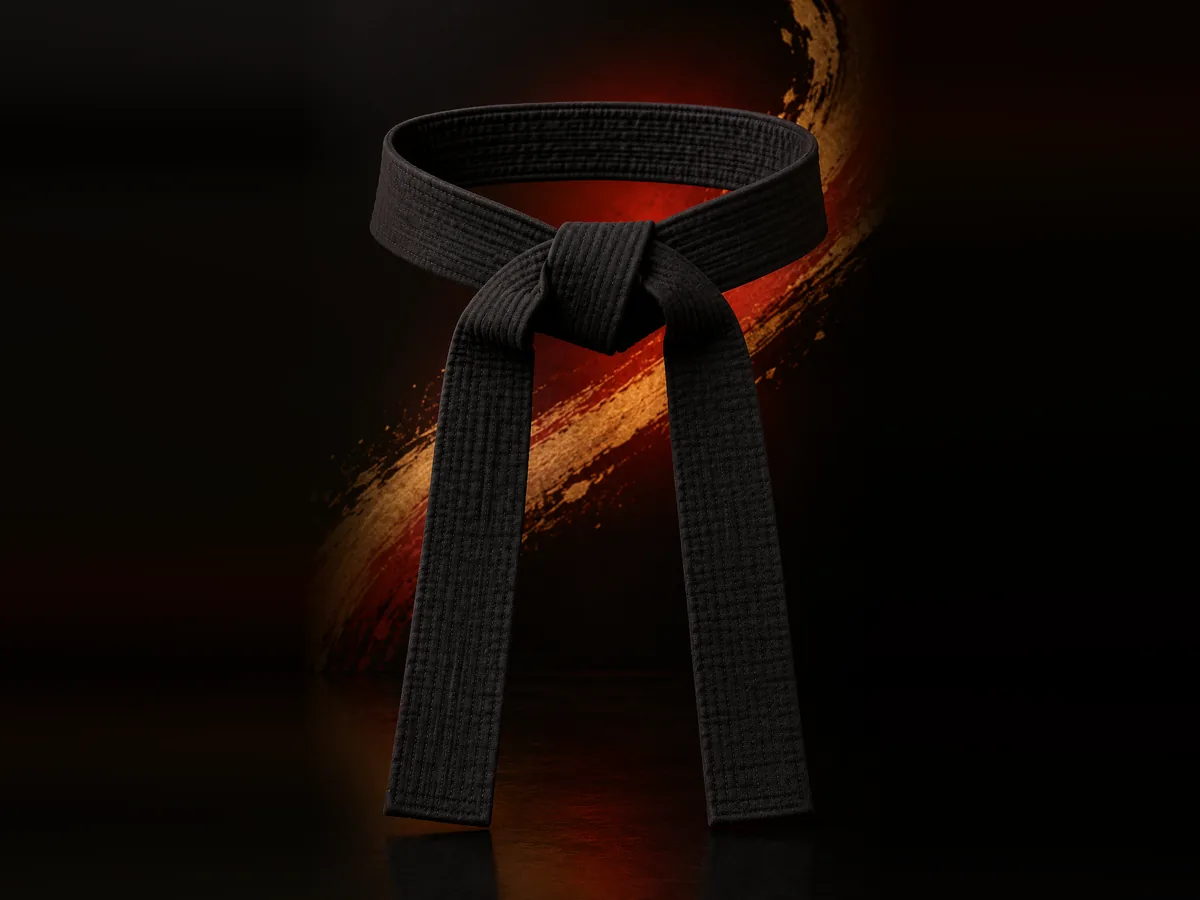
Cinto negro
黒帯Uniforms and traditionJapan
Jigoro Kano introduced the dan ranks and the black belt in judo in the 1880s. A black belt marks the end of the basics, not mastery.
espada preta
Espada preta
Training toolsEurope
The "black sword" of Portuguese and Spanish fencing: a blunt practice sword, unlike the sharp "white" sword. Thomaz Luiz wrote a treatise on its lessons in 1685.
montante
cajado
Cajado
Staffs and sticksEurope
The shepherd’s staff of northern Portugal, a close relative of the varapau. In jogo do pau it is the traditional weapon, a stick of about 1.5 m, a little thicker at one end.
sail éille
Shillelagh
sail éilleStaffs and sticksEurope
The Irish fighting stick, usually blackthorn, with a heavy knob from the root. It was cured in the chimney, which made it black and shiny.
makila
Makila
Staffs and sticksEurope
The Basque walking stick of medlar wood, 1 to 1.4 m, with a metal ferrule. The top pulls off to reveal a hidden spike; it is also a sign of honour and authority.
falcata
Falcata
SwordsEurope
The curved sword of pre-Roman Iberia, single-edged and heavy towards the point, so it cuts like an axe. The name was coined in the 19th century.
taiaha
میل